By HEIDI KNAKE
UNK Communications
KEARNEY – For many Nebraskans, deciding to seek counseling may not be the hardest part.
Finding an available provider in the area can be just as difficult.
Of the state’s 93 counties, all but five are designated as mental health professions shortage areas and numerous rural counties don’t have any providers practicing there.
Even when services are readily available, the cost can deter people from reaching out for help.
In Kearney, counseling sessions can cost more than $100 per hour before insurance, adding up to over $400 a month for someone seeking weekly support.
The University of Nebraska at Kearney’s clinical mental health counseling program helps fill these gaps by increasing access to services and eliminating the cost of care. Graduate students in the program provide free, confidential counseling services for community members through a mandatory practicum course.
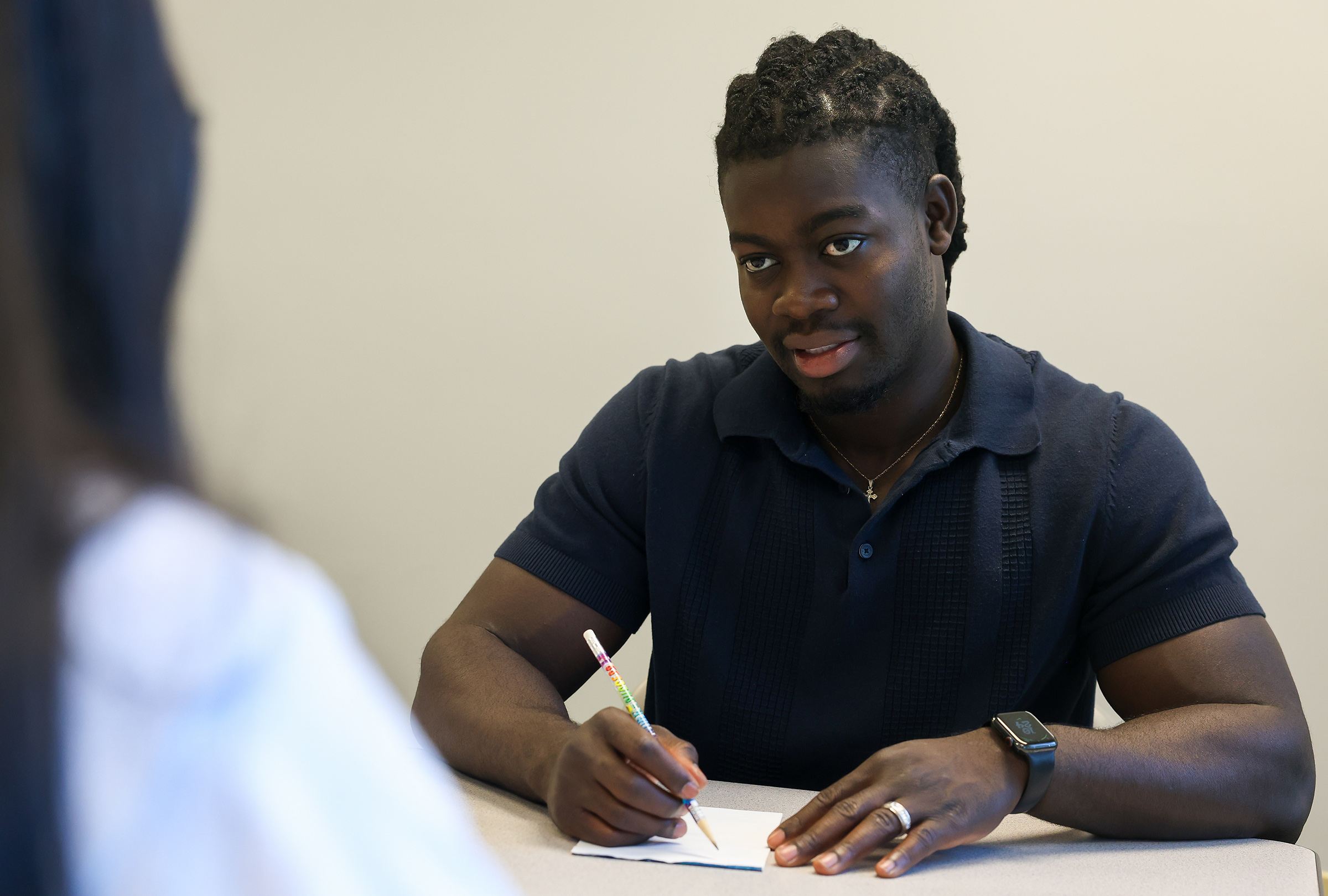
“Because it’s free, it opens up opportunities for a lot of people in the community,” said graduate student Ingrid Domkpo. “They know they need counseling. They want to go. They just can’t afford to go.”
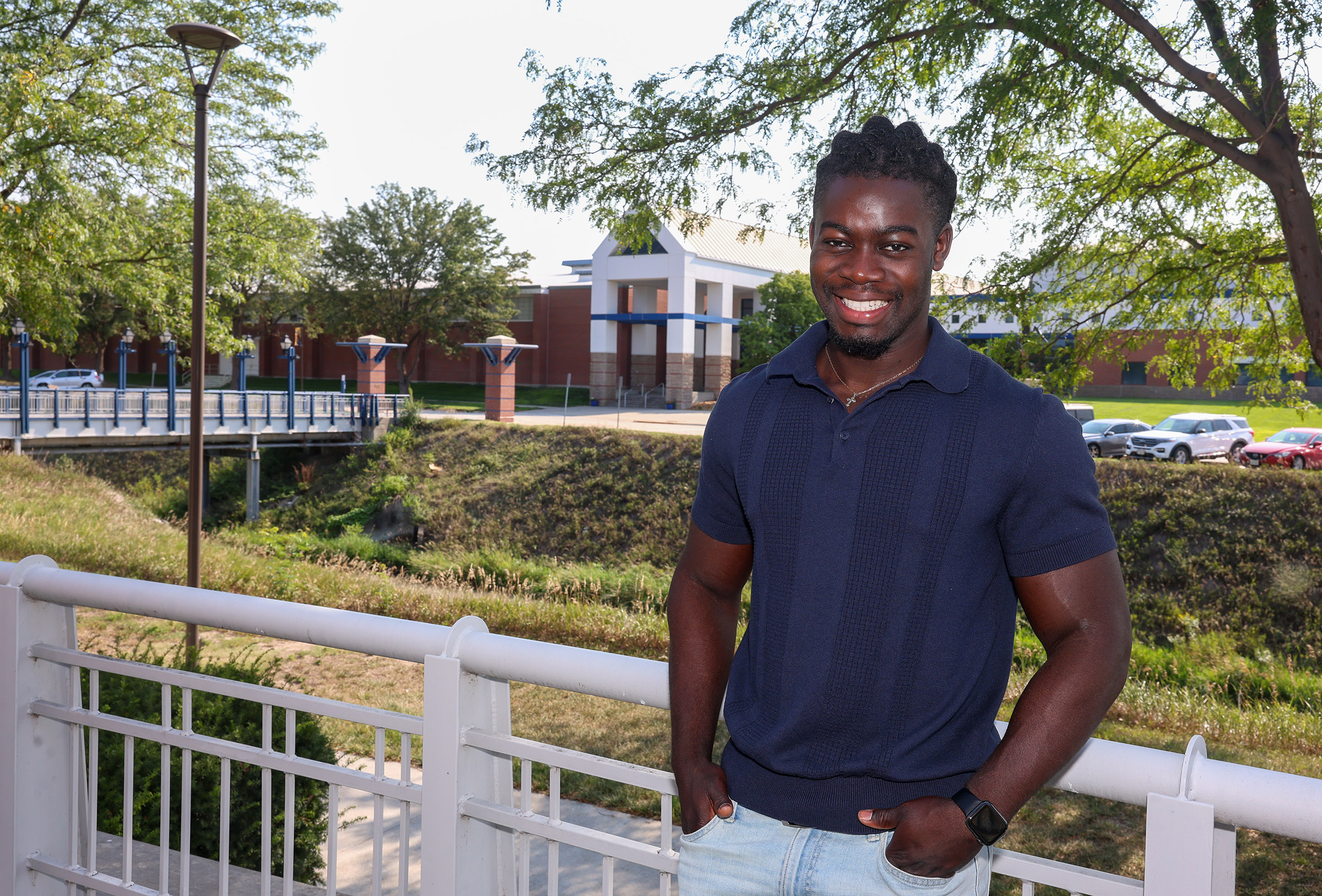
Originally from Togo, a nation in West Africa, Domkpo moved to Omaha with his family as a teenager and graduated from Northwest High School before coming to UNK to study criminal justice. While earning his bachelor’s degree, he was a Thompson Scholar and sprinter on the Loper track team.
Toward the end of his time in the criminal justice program, Domkpo completed an internship working with at-risk youth, an experience that inspired him to pursue counseling.
“Rather than judging a person for the bad thing they had done, I decided to go into counseling to try to figure out why they were doing it in the first place,” he said.
After graduating in spring 2024, Domkpo accepted a full-time position and began pursuing a master’s degree in clinical mental health counseling.
Now nearing the end of that program, he’s completing the required semester-long practicum before beginning his internship. The practicum is done prior to the internship to help students prepare to work directly with local counseling agencies, nonprofit organizations, clinics or private practices.
During the practicum course, students provide counseling to community members either through telehealth or face-to-face sessions while receiving close supervision from licensed UNK faculty members.
Each student completes 40 one-hour counseling sessions throughout the semester while managing a caseload of around 12 clients. With an average practicum class of six students, approximately 72 Nebraskans receive free counseling services every semester. The practicum is offered each fall, spring and summer semester, allowing community members to access free counseling services throughout the year.
“It’s common for us to have two classes in one semester, as well,” said professor Doug Tillman, who supervises Domkpo’s practicum course. When that happens, the number of community members served also doubles.
Although UNK graduate students lead the counseling sessions, they never work alone.
Before beginning services, every client signs an informed consent acknowledging that their sessions will be recorded for educational purposes. These recordings are shared in private folders between the student and faculty, then permanently deleted at the end of the semester.
Students meet weekly with Tillman to review recordings, discuss treatment plans, receive feedback and continue developing their counseling skills. Tillman and other faculty members are also available around the clock to provide guidance if an emergency arises.
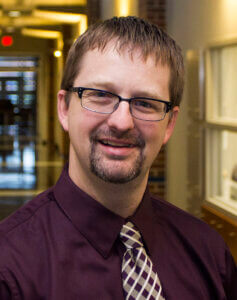
“Learning in the classroom is important for counseling students,” Tillman said. “However, nothing replaces the experience of working with real clients.”
The practicum experience is where he sees his students bring all their years of classroom instruction together.
“I absolutely love the part of my life that is building counselors,” he said. “When I get them in practicum, it is the ‘rubber hitting the road.’ They are applying all the concepts and skills they have learned in their coursework to date to real people to help ease suffering.”
Unlike classroom role-playing, the practicum class places students face-to-face with people navigating anxiety, depression, grief, relationship struggles and other genuine challenges.
“It’s not fake, so it feels more realistic because they’re bringing real-life things they have going on,” Domkpo said. “I feel comfortable doing this.”
That confidence slowly grows for each student after every session.
For Domkpo, one of the most rewarding parts of practicum isn’t simply gaining experience. It’s watching his work with clients pay off.
“I love seeing people get better each session,” he said. “It makes me happy to hear they’re doing better, feeling better or that they had the best week they’ve had in a long time.”
Those moments reflect exactly why the practicum exists.
“Offering free services is a total win-win,” Tillman said. “The student counselors gain experience, and the community receives a quality service from counselors in training.”
Learn more about becoming a client
Community members interested in receiving free counseling through UNK’s counseling practicum class can contact the Department of Counseling, School Psychology and Family Science at 308-865-8508 or unkcsp@unk.edu.