By TYLER ELLYSON
UNK Communications
KEARNEY – Reliable roads and utilities. Quality healthcare. Successful businesses.
They’re all essential to a thriving community.
So are strong schools.
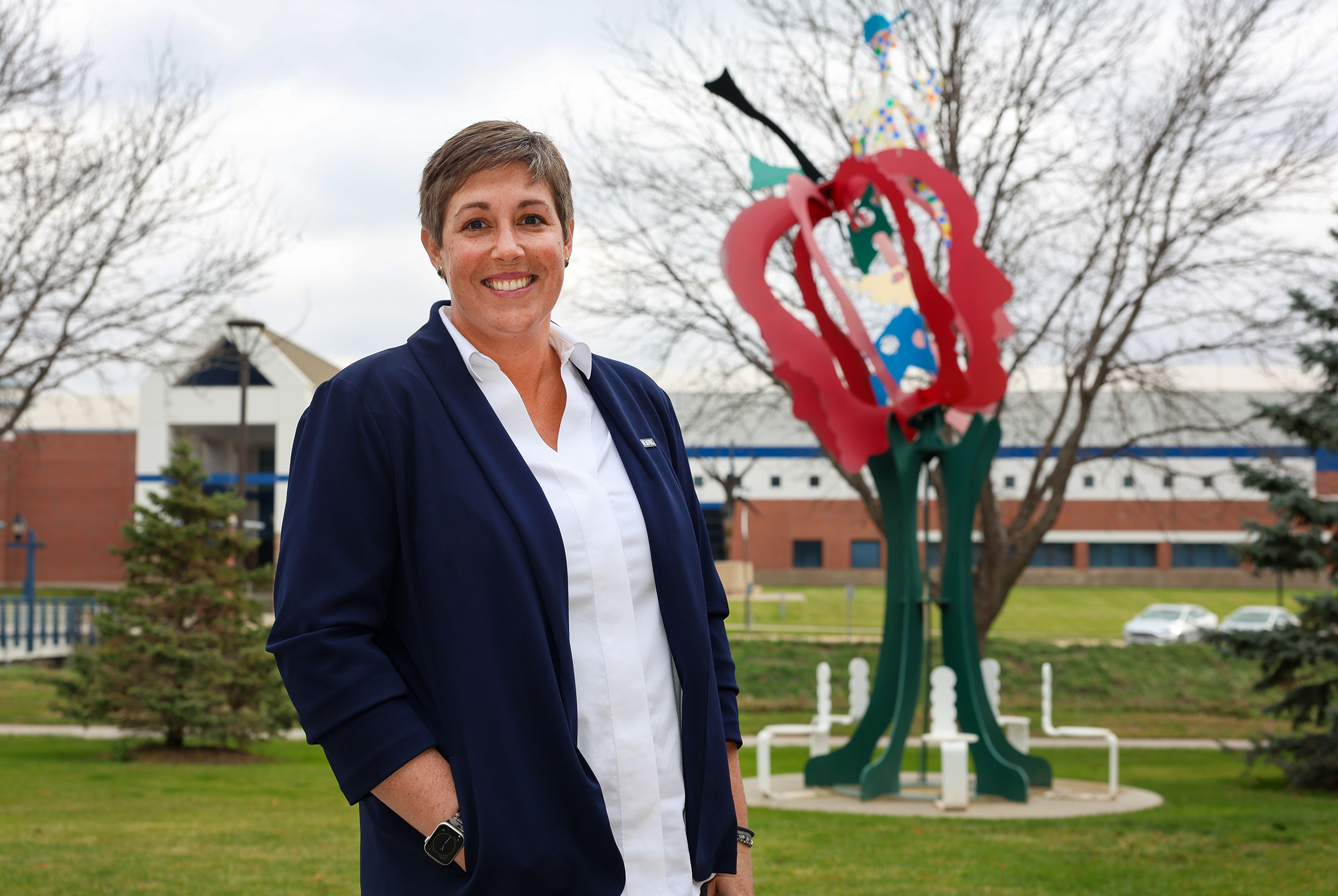
That’s the philosophy guiding Jesslyn Hollar as she begins her tenure as dean of the University of Nebraska at Kearney College of Education.
Hollar views education as essential infrastructure – an investment that sustains communities, creates opportunities and shapes Nebraska’s future.
“You can’t have physicians if you don’t have strong science teachers,” she said. “And you can’t have science teachers if you don’t have a strong comprehensive educator preparation program.”
That connection between education and community well-being is at the heart of Hollar’s vision for the College of Education, where she became dean July 1.
An experienced educator and administrator who joined UNK in 2024, Hollar wants to build on the university’s long history of preparing teachers and other professionals who make a difference in communities across Nebraska.
Her priorities include developing closer partnerships with schools, making educational programs available to more students, addressing workforce shortages and giving students more practical training.
“If you want to have healthy communities that are growing and vibrant, if you want to have people moving to and staying in communities in Nebraska, you need to make sure there is strong infrastructure to support those families,” Hollar said.
And that starts with education.
“If you don’t have education, the bottom falls out.”
THE ROAD TO KEARNEY
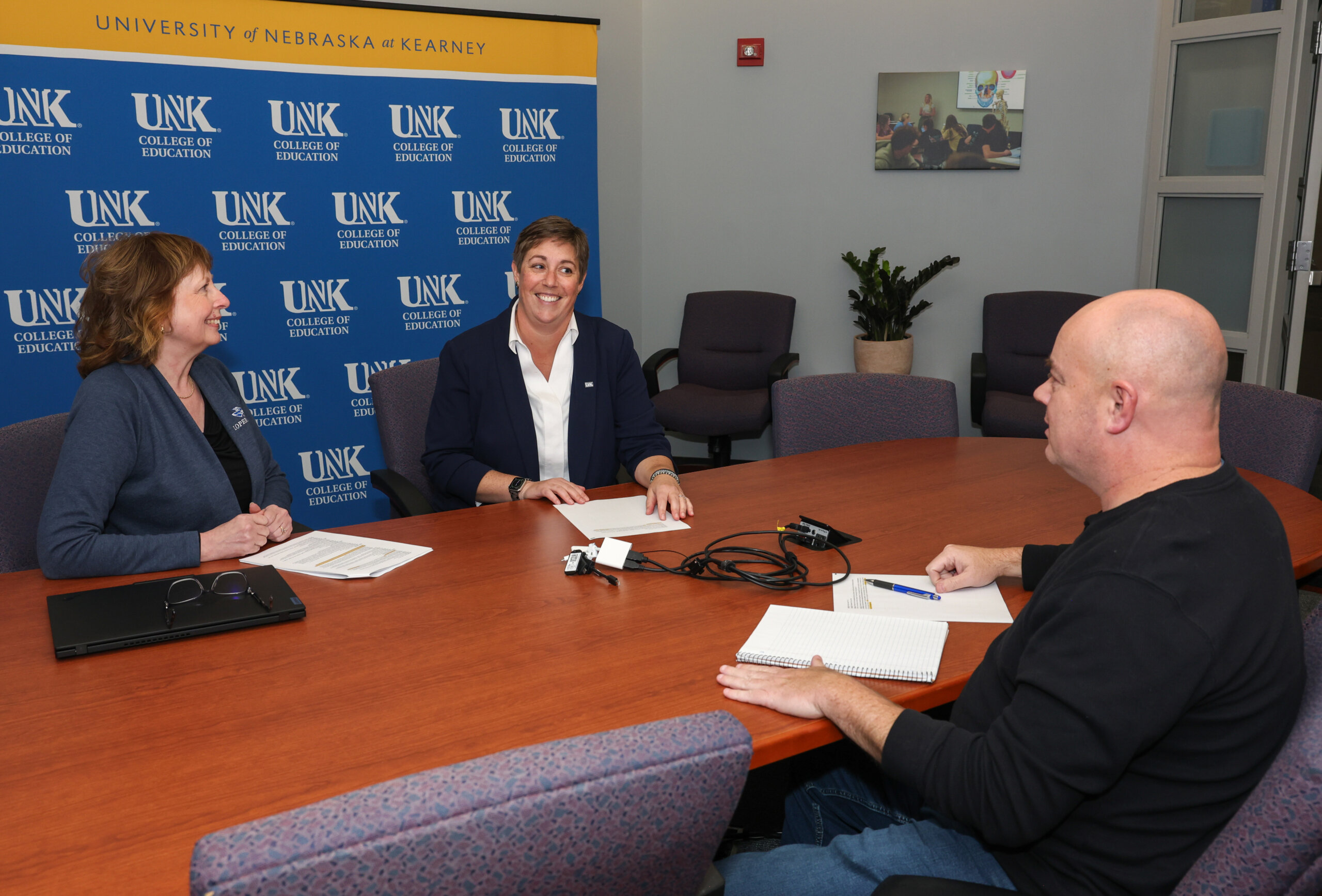
Hollar’s appreciation for education began long before she considered it as a career.
She grew up in New York’s Hudson Valley, about two hours north of New York City, in a family filled with teachers. Her father taught middle school science, her mother taught middle school English, and both of her grandmothers were educators.
Despite those influences, Hollar started her career on a different path.
After earning bachelor’s degrees in English and international affairs from Lafayette College in Pennsylvania, she worked for a healthcare software company in Madison, Wisconsin, helping hospitals implement electronic medical records.
She later considered pursuing a Master of Fine Arts degree in creative writing and poetry, with the goal of teaching at the college level. Instead, she enrolled in an accelerated teacher preparation program at Edgewood College in Wisconsin, earning both her teaching license and a master’s degree in English education.
Her first teaching position was at an alternative school in Madison, where she worked with young people completing their high school education while participating in community-focused construction and conservation projects. She later taught ninth grade English in the public school system.
That time in the classroom reinforced her desire to make a difference in students’ lives and opened the door to a career in higher education.
“One of the neat things about being in teacher education is there are immediate dividends,” Hollar said. “If you’re working with a future educator, your ability to inspire and change the lives of K-12 students is magnified. They’ll go on to teach thousands of students.”
Hollar completed her doctorate in curriculum and instruction at the University of Washington, where she focused on teacher education and educational policy. She directed an alternative teacher certification program at Central Washington University, helping career changers, paraprofessionals and others enter the profession, and held faculty and leadership positions at Edgewood College, Southeast Missouri State University and Marist College, with responsibilities involving teacher preparation, program development, assessment and accreditation.
UNK’s history as a teachers college and commitment to serving Nebraska appealed to Hollar, who believes public universities should play an active role in the communities around them.
“To me, this kind of environment like UNK, a regional public comprehensive university that is deeply committed to the communities in which it’s embedded, is important,” she said.
Hollar joined UNK as an associate professor and chair of the Department of Teacher Education, a position she held for two years before becoming dean. The chance to lead an entire college came sooner than Hollar anticipated, but she was eager to make a broader impact.
Educator preparation extends across campus, she noted, with departments in areas such as the arts, sciences and humanities also contributing to the training of future educators.
As dean, she can coordinate those efforts across departments while guiding the College of Education as a whole.
BUILDING ON A STRONG FOUNDATION
Hollar takes over a college with nearly 2,000 undergraduate and graduate students and programs that extend well beyond traditional teacher preparation.
The College of Education includes five departments: Communication Disorders; Counseling, School Psychology and Family Science; Educational Administration; Kinesiology and Sport Sciences; and Teacher Education. Together, they prepare teachers, school administrators, counselors, school psychologists, family advocates, speech-language pathologists, athletic trainers, exercise scientists and other professionals who serve communities throughout the state.
Hollar points to the college’s emphasis on hands-on learning and community service as one of its greatest strengths.
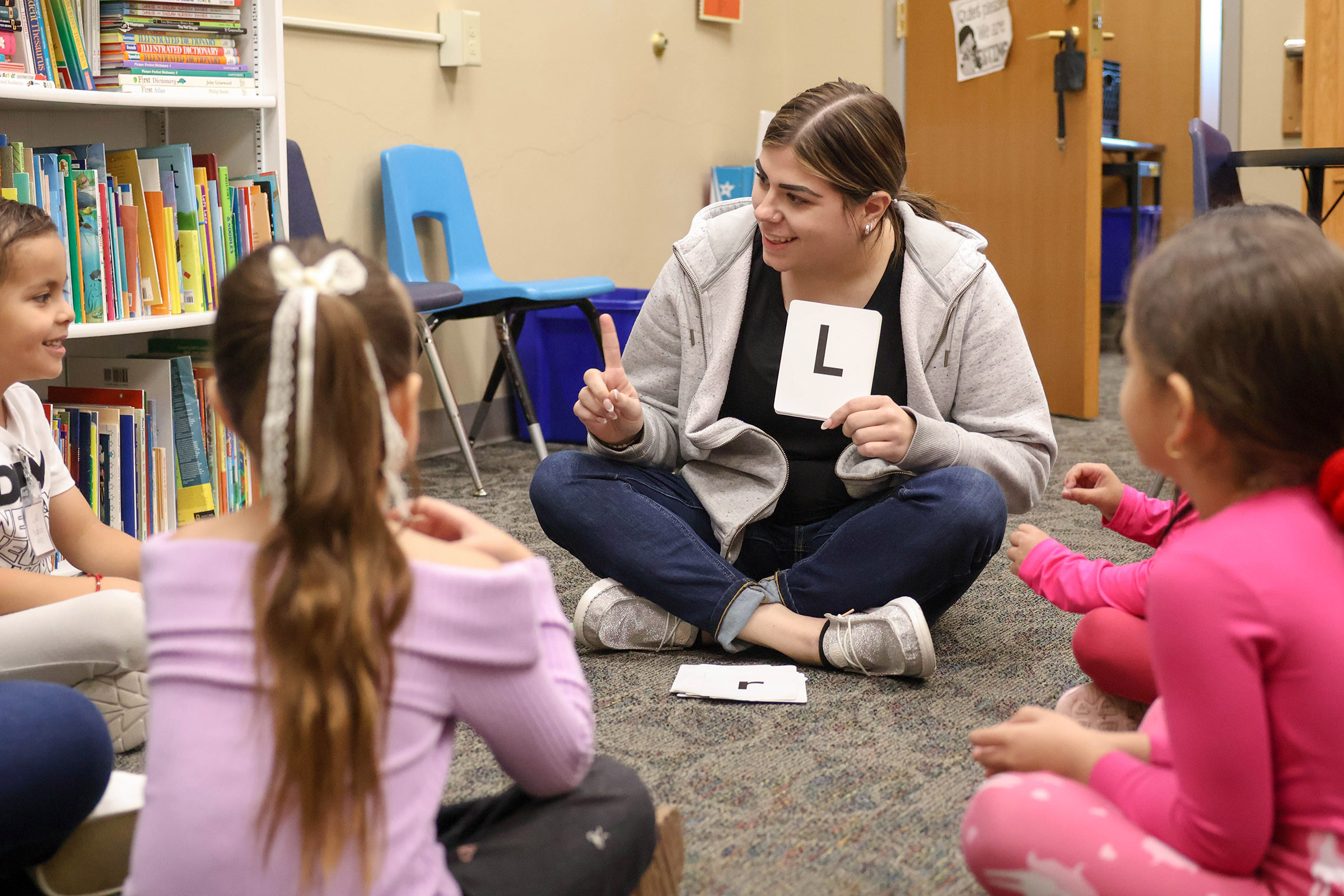
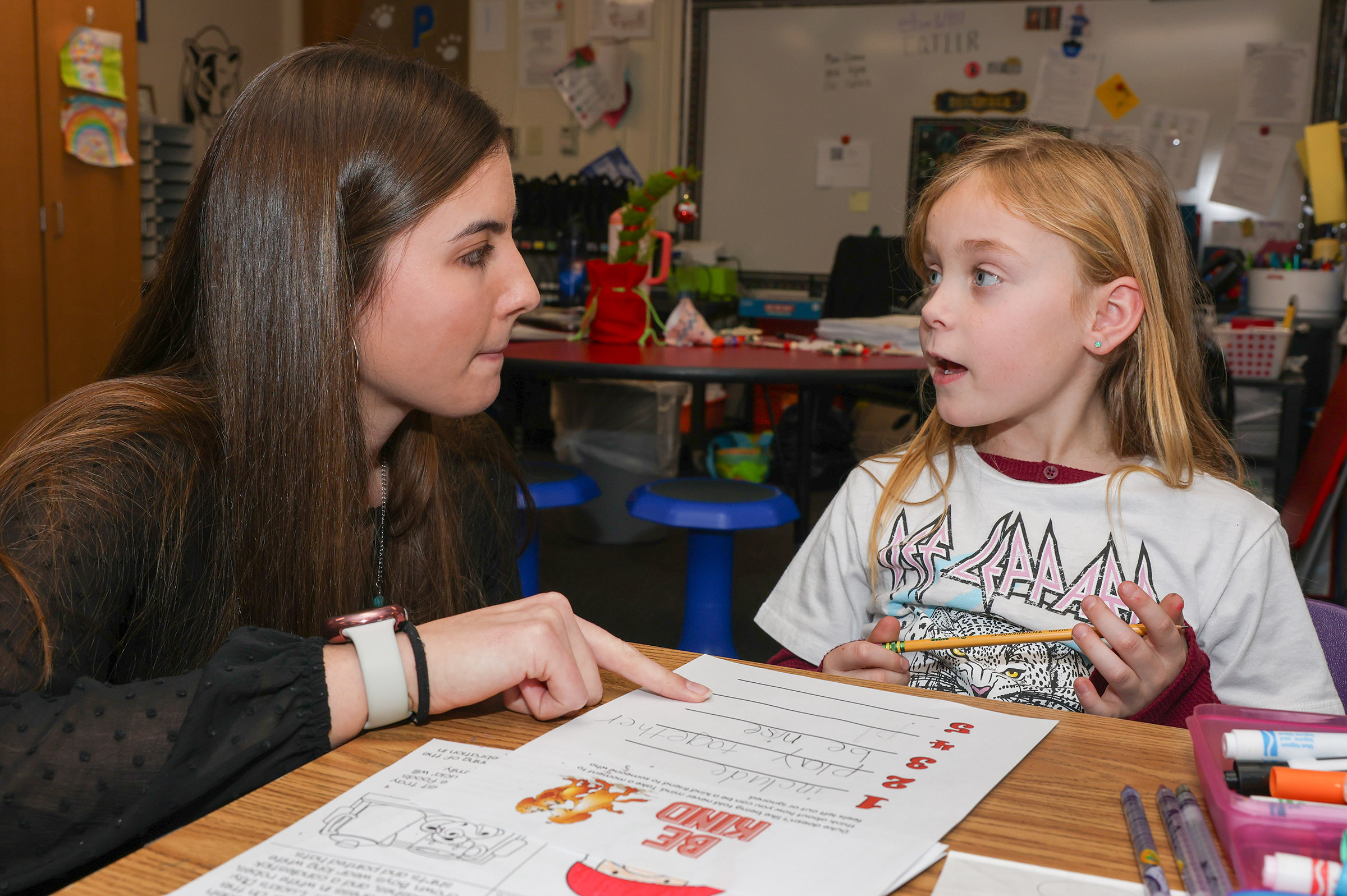
In teacher education, students gain experience working with children through after-school programs, tutoring and other partnerships with area schools. Educational administration initiatives such as the NextGen Leadership Academy and SuperLopers prepare effective leaders through collaborative professional networks that emphasize the importance of investing in the communities they serve.
The college recommended more than 550 teaching and educational leadership endorsements during the 2025-26 academic year, supporting Nebraska schools and their staffing needs.
UNK’s communication disorders programs are also growing. Graduate enrollment in speech-language pathology has nearly tripled over five years, reaching 118 students.
Through the university’s Speech, Language and Hearing Clinic and telepractice services, graduate students provide approximately 90 free assessment and therapy sessions each week to Nebraska families, including patients in rural communities.
In the Department of Counseling, School Psychology and Family Science, graduate students provide free, confidential counseling services to community members under faculty supervision. The program addresses a significant need in Nebraska, where access to mental health professionals remains limited.
Students in kinesiology and sport sciences also put their knowledge into practice through community-based activities, including the annual Nebraska Kids Fitness and Nutrition Day, which brings hundreds of elementary students to campus for educational programming.
These programs share an important characteristic: Students develop their professional skills while providing valuable services to others.
“I think that’s a unique strength of our college. All of our programs have this service component that allows our students to give back while preparing for their careers,” Hollar said.
The ultimate goal is to make sure UNK graduates are prepared to meet the needs of the communities they serve.
A HUB FOR RURAL EDUCATION
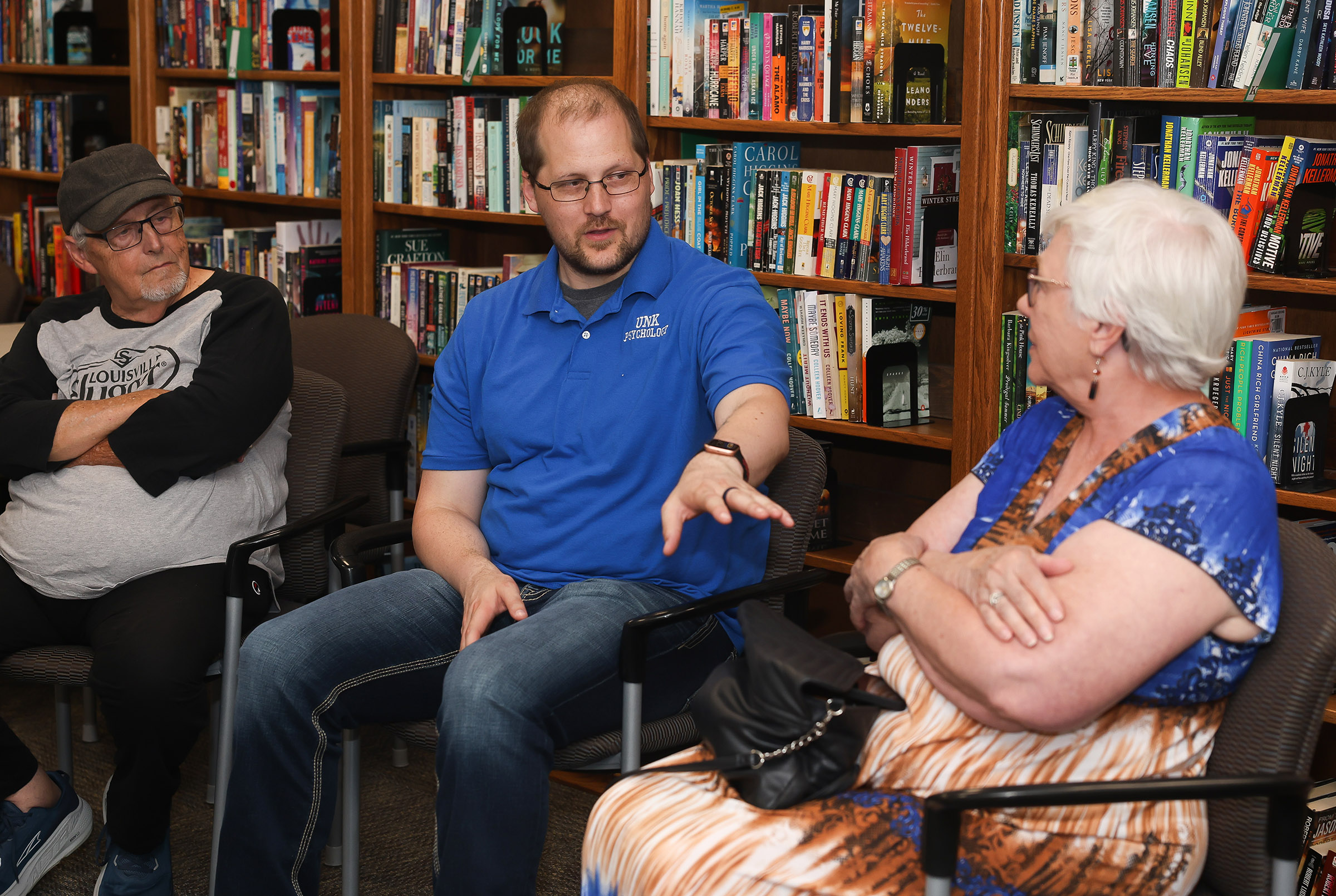
One of Hollar’s biggest priorities is positioning UNK as a leading resource for rural education.
The university plans to join the Rural Schools Collaborative as a regional hub next year, creating new opportunities to connect students, educators and communities across Nebraska and beyond.
“When you look at a map of the state, our geographic location makes us really well-suited to support education in greater Nebraska,” Hollar said. “It only makes sense that we would focus more intentionally on rural communities and expanding access to our programs for students and working adults who want to pursue higher education. I think we are poised to deliver on that.”
Her long-term vision goes beyond recruiting students who are already interested in teaching.
She wants to create a pathway that introduces younger students to education careers, supports them throughout college and continues providing mentorship after they enter the workforce. That could include partnerships with middle and high schools, additional dual enrollment options and career exploration activities and stronger transfer agreements with community colleges.
UNK’s success in health sciences offers a model for developing similar pathways in education.
The College of Education already has a starting point through its Teacher Scholars program, which provides scholarships, specialized coursework, mentoring and practical classroom training to students preparing for teaching careers.
The program welcomed 26 freshmen this fall, joining 17 sophomores already participating. Students take classes together, build relationships with practicing educators and gain experience in schools and communities.
Hollar wants to take that model further by securing additional funding and creating incentives for students to teach in Nebraska after graduation.
One possibility she is exploring would cover tuition during students’ junior and senior years in exchange for a commitment to teach in Nebraska for three years after graduation. Such an initiative would require support from the state, philanthropic organizations, community foundations or other partners.
She also envisions continued mentoring and professional development during graduates’ first three years in the classroom, helping new teachers navigate the challenges of the profession and encouraging them to stay.
“We want our graduates to remain in the profession and in their commitments to students and communities,” she said.
The approach would address more than the immediate need to fill vacant positions.
According to the Nebraska Department of Education, school districts reported approximately 490 positions that were vacant or filled by educators who weren’t fully qualified during the 2025-26 academic year.
Hollar believes a coordinated approach to recruitment, preparation and professional support can improve teacher retention while strengthening schools across the state.
“If we’re making strategic investments in our educational school programming, one of those investments should be in getting young people excited about what it means to be a teacher and then keeping them excited so they complete a comprehensive program where they are fully prepared to enter and remain in the workforce without carrying debt burdens,” she said. “Investing in the learning and development of effective educators who want to teach in greater Nebraska is a strategic investment for Nebraska’s schools and communities.”
A COMMITMENT TO NEBRASKA
Hollar understands that accomplishing these goals will require collaboration across campus and throughout the state.
She wants to work closely with faculty, staff, school districts, community colleges, policymakers and private supporters to identify needs and develop solutions.
That collaborative spirit is part of what attracted her to Nebraska. When Hollar first visited Kearney, she discovered a welcoming community and a university where she could make a meaningful contribution.
Hollar appreciates the willingness of Nebraskans to work together and find practical solutions to challenges facing their communities.
She sees that same spirit within the College of Education, where faculty and staff are committed to preparing students for professions that directly affect people’s lives.
As dean, she wants to reinforce that commitment while ensuring the college remains responsive to the changing needs of the state.
“Education is at the heart of a thriving community,” Hollar said. “You need well-prepared teachers, counselors and other professionals who care about the people they serve and are committed to making a difference. When you invest in education, you’re investing in the health and future of those communities.”