By TYLER ELLYSON
UNK Communications
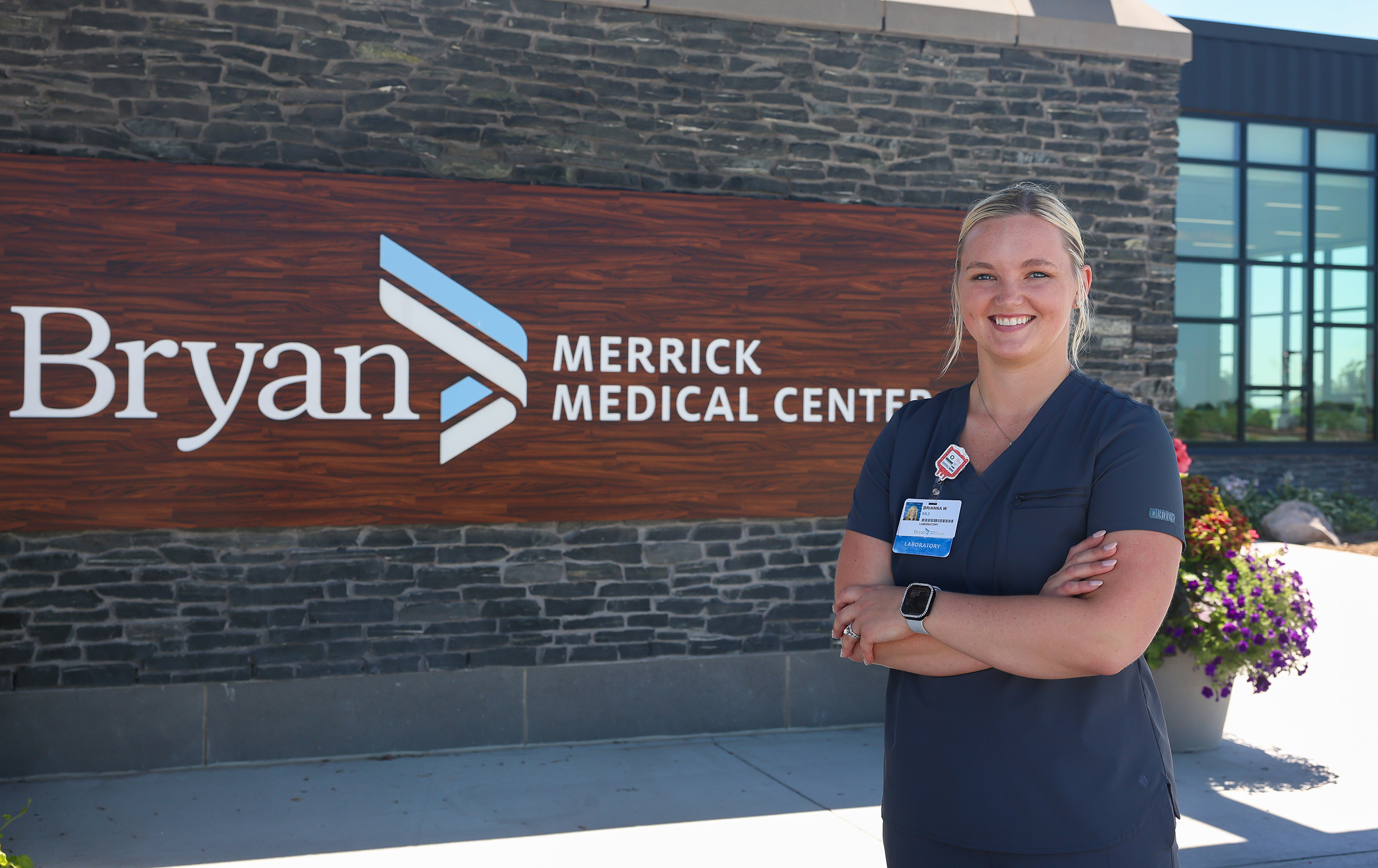
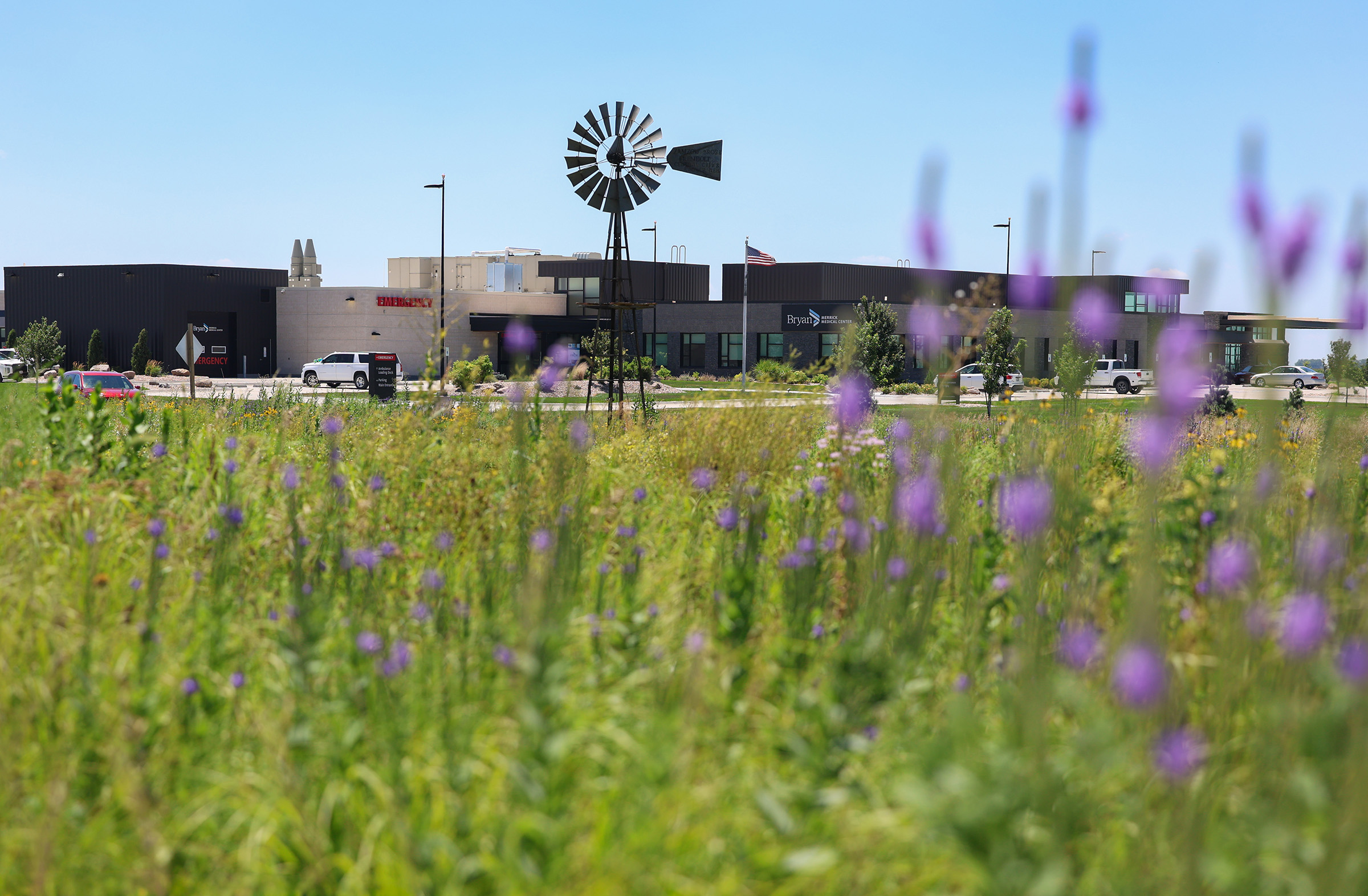
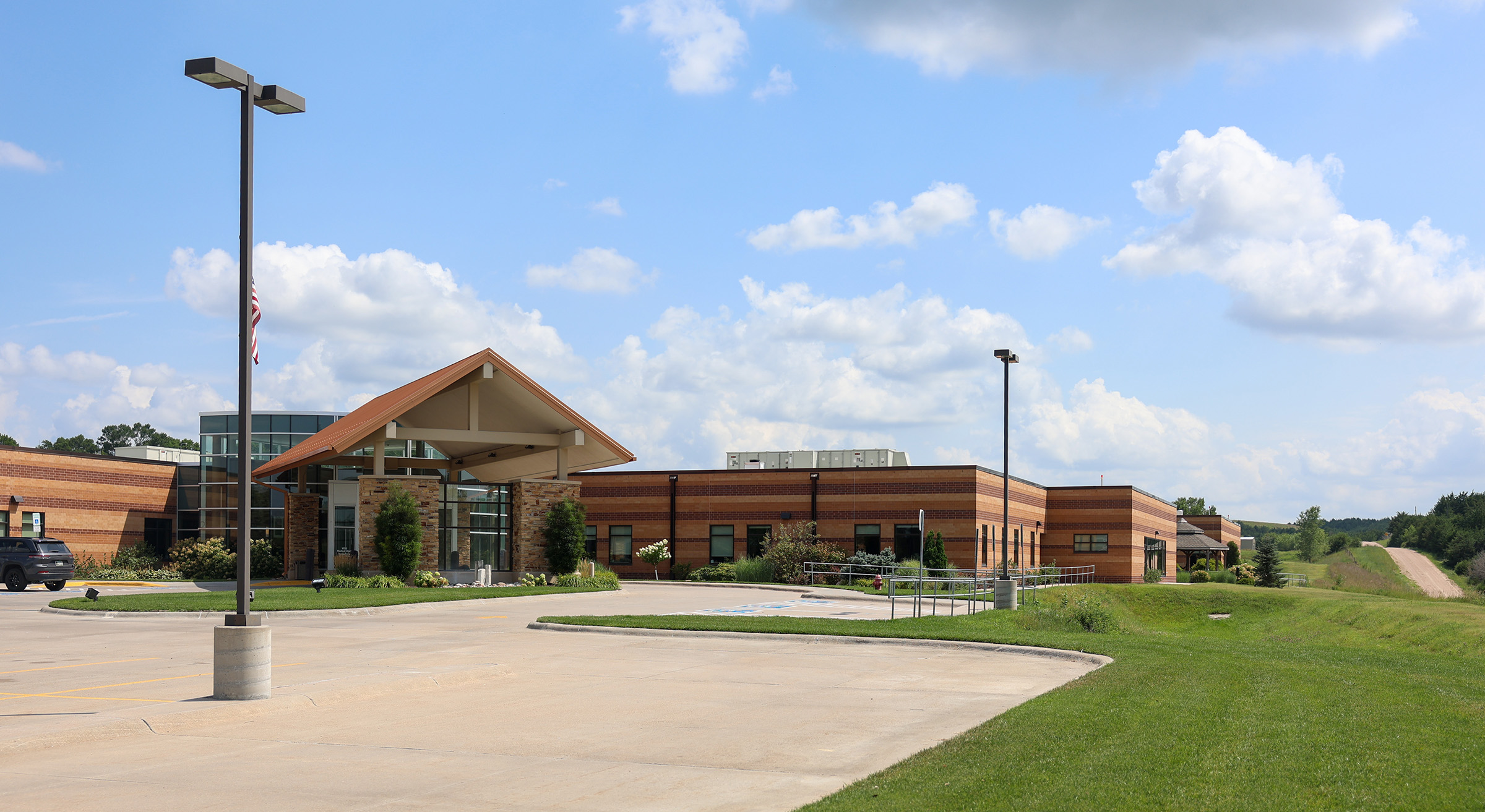
On the west edge of Central City, the landscape surrounding Merrick Medical Center leaves little doubt about the kind of community it serves.
Cornfields stretch across three sides of the modern medical facility, with a farm equipment dealership neighboring to the east. During fall harvest, freight trains rumble along the nearby Union Pacific Railroad tracks while semitrucks travel U.S. Highway 30 through the heart of ag country.
It’s a familiar setting for Brianna Wood.
She grew up about 10 miles away in Hordville, a Hamilton County village with roughly 130 residents. Her father operates an 80-head dairy farm there, and Wood still stops by before work to help with chores, caring for the Holstein heifers that have been part of her life since her 4-H days.
Small-town Nebraska has always been home.
“I love it,” Wood said. “Everyone knows everyone, and you build those close relationships.”
That sense of familiarity also extends into her professional life.
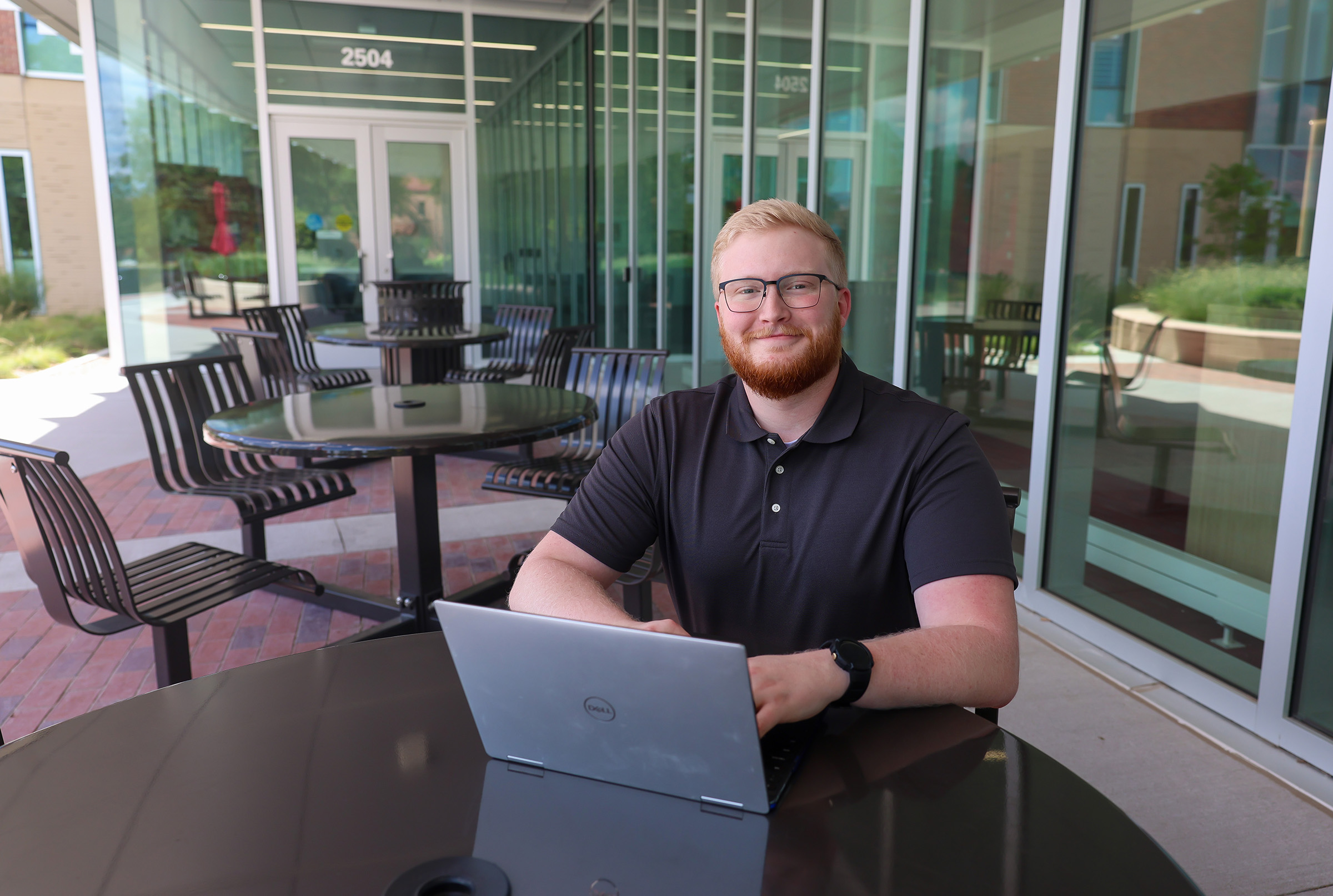
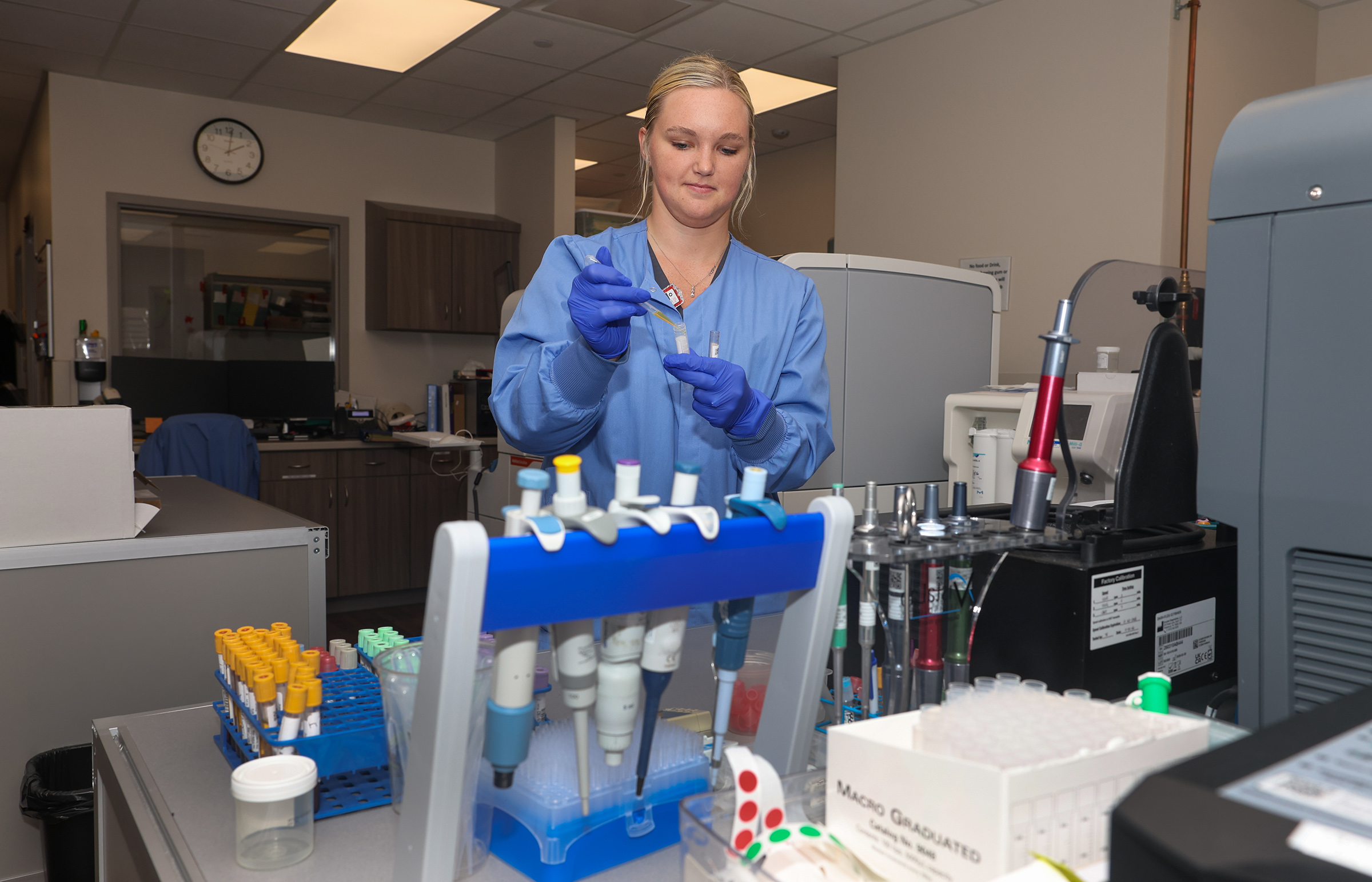
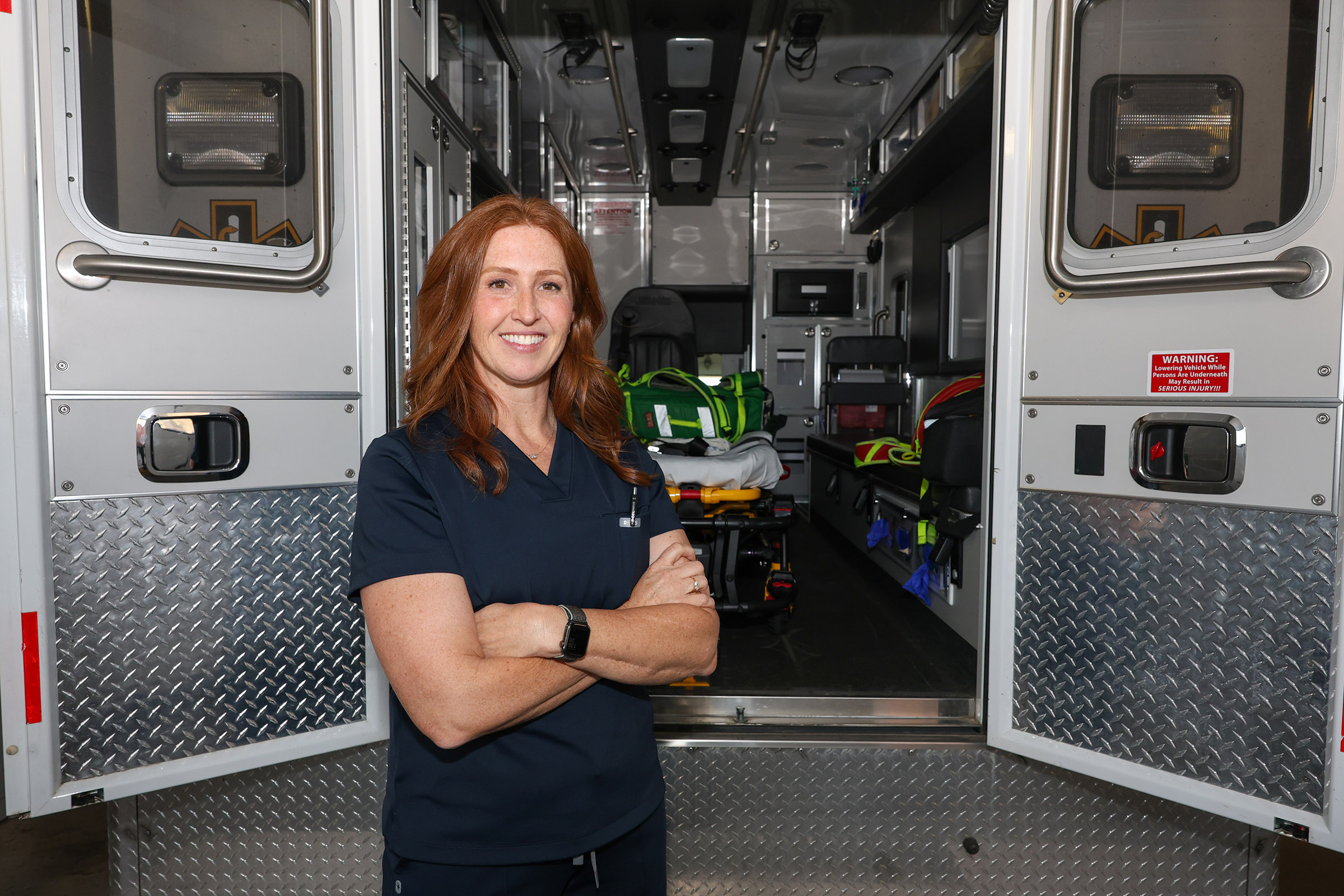
A 2024 University of Nebraska at Kearney graduate, Wood works as a medical laboratory scientist at Merrick Medical Center. Unlike laboratory professionals at larger hospitals who may rarely interact directly with patients, she draws blood, moves throughout the hospital and sees the people behind the samples she tests.
Often, she already knows them.
A patient might recognize her and ask about her family. She’ll ask about theirs. Before long, a routine blood draw has turned into a 10-minute conversation.
“We really get to know them,” Wood said. “It’s not just, ‘Here’s another random name. Let me run it.’”
That personal connection is one of the things Wood values most about rural healthcare – and one of the reasons she wanted to return to the area after college.
It’s also driving a larger effort to prepare more people to serve the rural communities they know and understand.
Across Nebraska, rural communities need more physicians, nurses, physician assistants, medical laboratory scientists, therapists, pharmacists and other healthcare professionals. UNK and the University of Nebraska Medical Center are working together to fill that need by recruiting students with ties to rural Nebraska, preparing them for healthcare careers and giving them opportunities to train in the communities that need them most.
The goal is straightforward: Create a pathway that allows more students like Wood to build their careers closer to home.
Numbers Tell the Story
Healthcare access can look very different depending on where someone lives in Nebraska.
More than 80% of Nebraska’s practicing healthcare providers are located in metropolitan areas, while only about 65% of the state’s population lives in those communities. Twenty-five of the state’s 93 counties are designated as primary care health professional shortage areas.
The distance to care creates numerous challenges. Nebraska has more rural residents living at least 25 minutes from an ambulance than all but two other states, according to the Nebraska Hospital Association, and about 16% of Nebraska mothers must travel at least 30 minutes to reach a maternal care provider – roughly twice the national rate.
Those numbers underscore the value of rural hospitals such as Merrick Medical Center.
“Having these small-town critical access hospitals is very important,” Wood said. “People shouldn’t have to travel an hour or more to receive quality healthcare.”
That reality is driving growth at UNK, where health sciences enrollment has increased 32% since 2020, from 748 students to 989. Nearly 40% of incoming freshmen are pursuing health science careers, and UNK graduates have an 85% acceptance rate into professional schools and clinical programs.
“The workforce need is very real in rural Nebraska, but we also know there are talented students in these communities who want to be part of the solution,” said Peggy Abels, director of UNK Health Sciences. “Our job is to connect those students with the education, experiences and professional relationships they need to become healthcare providers, then show them that they can have incredibly rewarding careers in rural communities.”
One of UNK’s longest-running efforts to accomplish that is the Kearney Health Opportunities Program, or KHOP.
A partnership between UNK and UNMC, KHOP was launched in 2010 to recruit students from rural communities who are committed to serving these areas as healthcare professionals.
The program supports students pursuing 13 health professions: dental hygiene, dentistry, diagnostic medical sonography, medical laboratory science, medical nutrition, medicine, nursing, occupational therapy, pharmacy, physical therapy, physician assistant, public health and radiography. Participants receive financial assistance, academic support and professional development, with many earning full-tuition scholarships to attend UNK and guaranteed admission to their specified UNMC program after successfully completing the requirements.
For Wood, KHOP “sealed the deal” when she was deciding where to attend college.
Her mother studied at UNK when it was Kearney State College, and Wood had visited campus for volleyball camps. She liked that Kearney felt bigger than the communities she grew up around without losing the personal atmosphere she wanted.
Then KHOP gave her something even more important – a community within a community. Participants live together during their first year, take classes together and share the same goals.
“We built so many relationships and challenged each other to be better,” Wood said. “I’m still in touch with many of the people from my class, which says a lot about the program.”
After earning her bachelor’s degree in health sciences from UNK, Wood completed the medical laboratory science program through UNMC in Kearney in 2025.
Then she went home.
Building the Pipeline
Dr. Hilary Miller can remember when KHOP didn’t even have a name.
The Valley County Health System physician graduated from UNK in 2006, then moved to Lincoln and worked at Bryan Medical Center for a year. When UNMC began exploring a program that would prepare rural students for medical school, she was encouraged to apply.
Miller returned to Kearney in 2008 as the first participant in the pilot program that eventually became KHOP.
“I was pilot program zero,” she said with a laugh.
The Spalding native grew up on a farm and initially planned to become a veterinarian. That changed at UNK, where her science courses sparked an interest in human medicine and Abels helped connect her with job-shadowing opportunities.
A first-generation college student, Miller found faculty in UNK’s biology and chemistry programs who pushed her academically while helping her understand how those lessons applied outside the classroom.
“They were mentors first, professors second,” she said. “They really tried to help us apply things to the real world and bridge that gap. How does this translate into industry or healthcare?”
Miller went on to attend medical school at UNMC in Omaha, eventually choosing primary care over her initial interest in dermatology.
Rural primary care offered something she couldn’t find elsewhere: variety and relationships.
Since 2015, she has practiced at Valley County Health System in Ord, where she works in clinic, hospital and emergency room settings while also providing specialty services. She serves as medical director for emergency services across seven counties, helping train and supervise volunteer emergency medical personnel.
“I really like being a jack of all trades,” Miller said.
She also likes knowing the people she treats.
“I’m not only going to see you in the office, but I’m also going to see you at a basketball game, or we’re going to be sitting at a restaurant together or participating on a volunteer board together,” she said. “Rural healthcare really provides that personal layer that I don’t think I would otherwise have in an urban setting.”
Nearly two decades after Miller became the test case for a rural health pipeline, she can see how dramatically that model has expanded.
More than 180 students currently participate in KHOP, and the partnership between UNK and UNMC has grown far beyond what existed when she was a student.
“I wish I had at that time what exists now,” Miller said. “It’s honestly a dream for those kids who want to go into medicine, to have that locally.”
Training Closer to Home
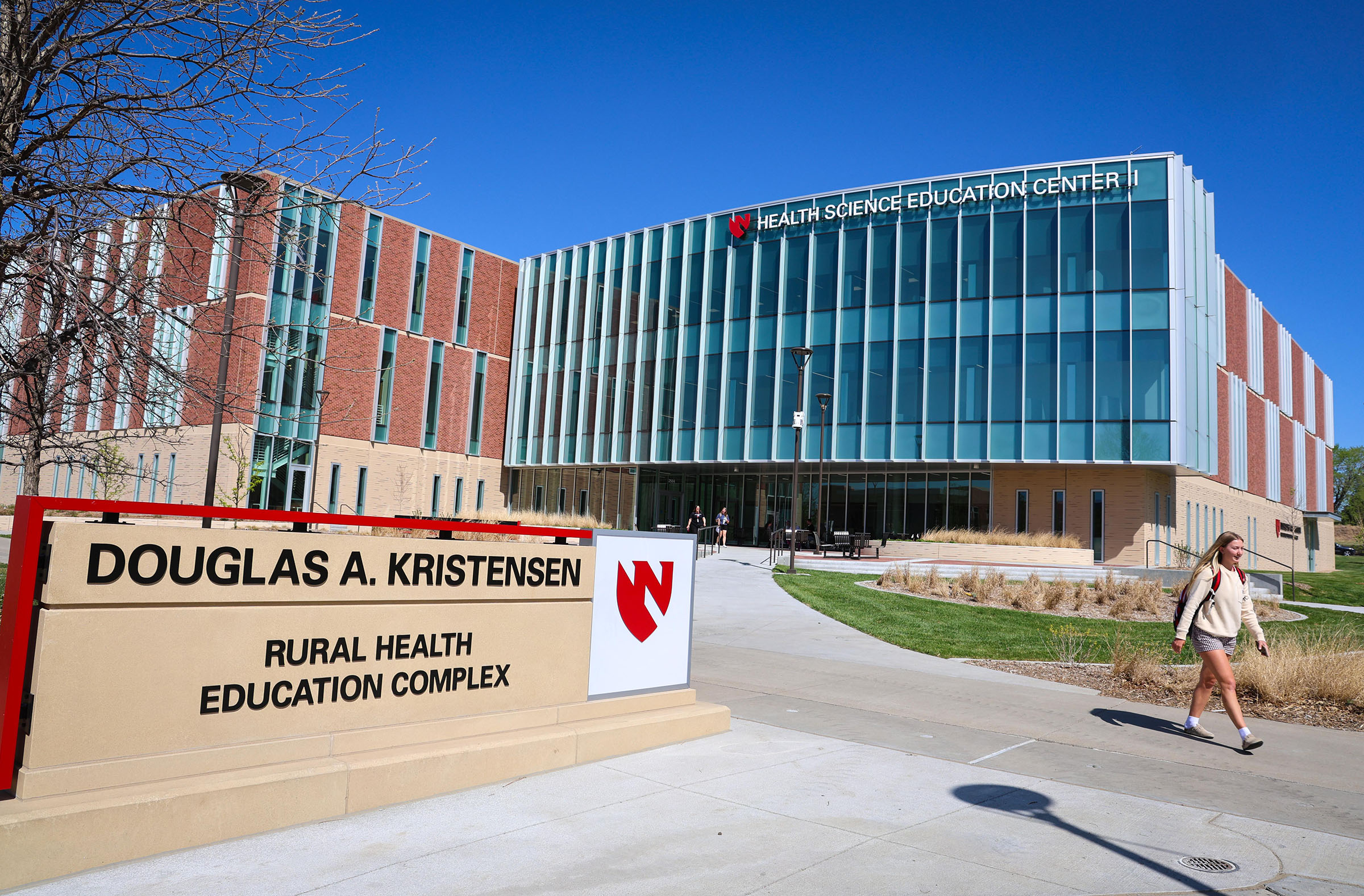
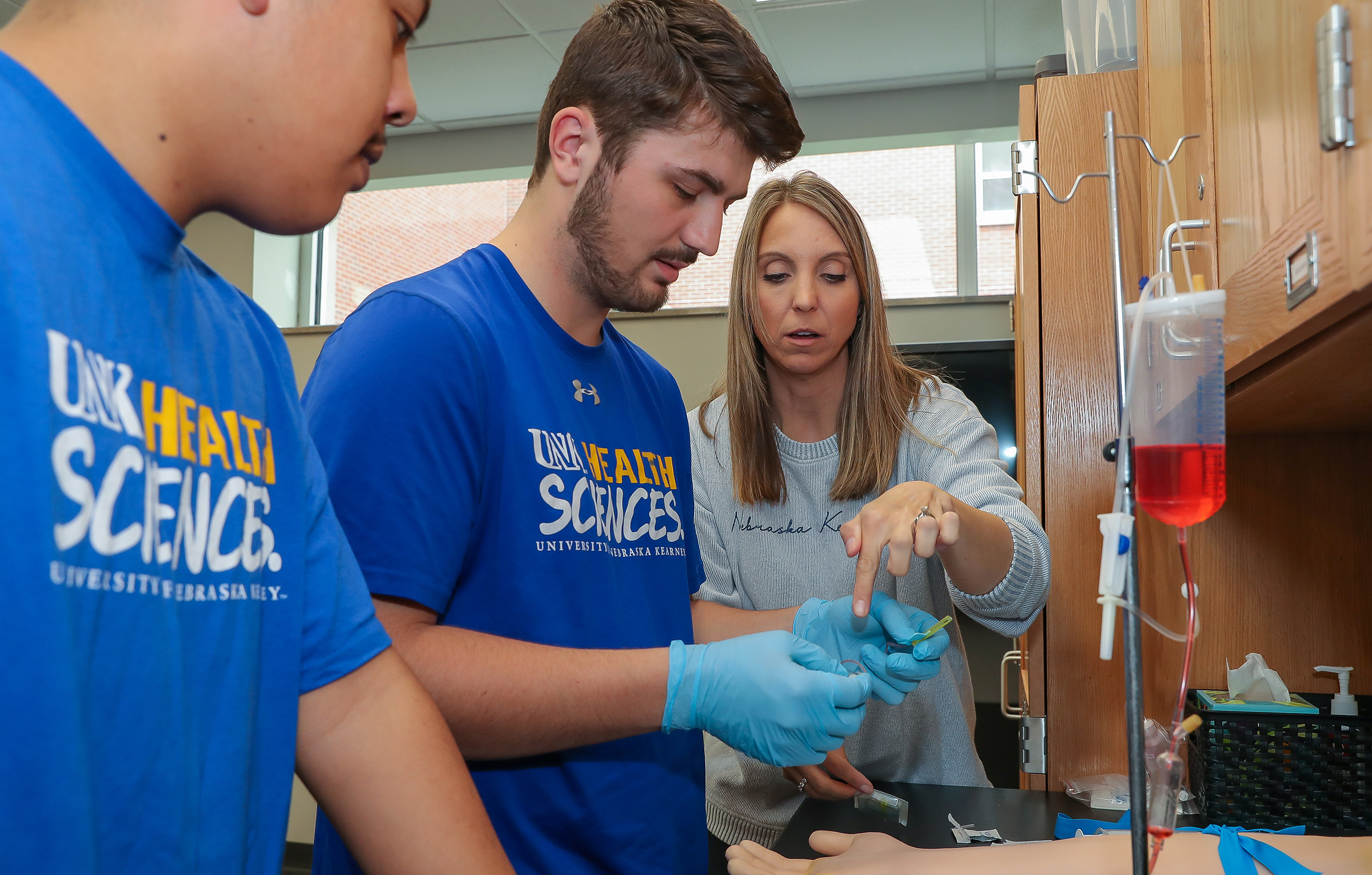
That vision reached another milestone earlier this year with the opening of the Douglas A. Kristensen Rural Health Education Complex on the UNK campus.
The $115 million complex includes the original Health Science Education Center, which opened in 2015, and the new $95 million, 110,000-square-foot Health Science Education Center II. Combined, the two buildings form the largest rural healthcare teaching facility in the country.
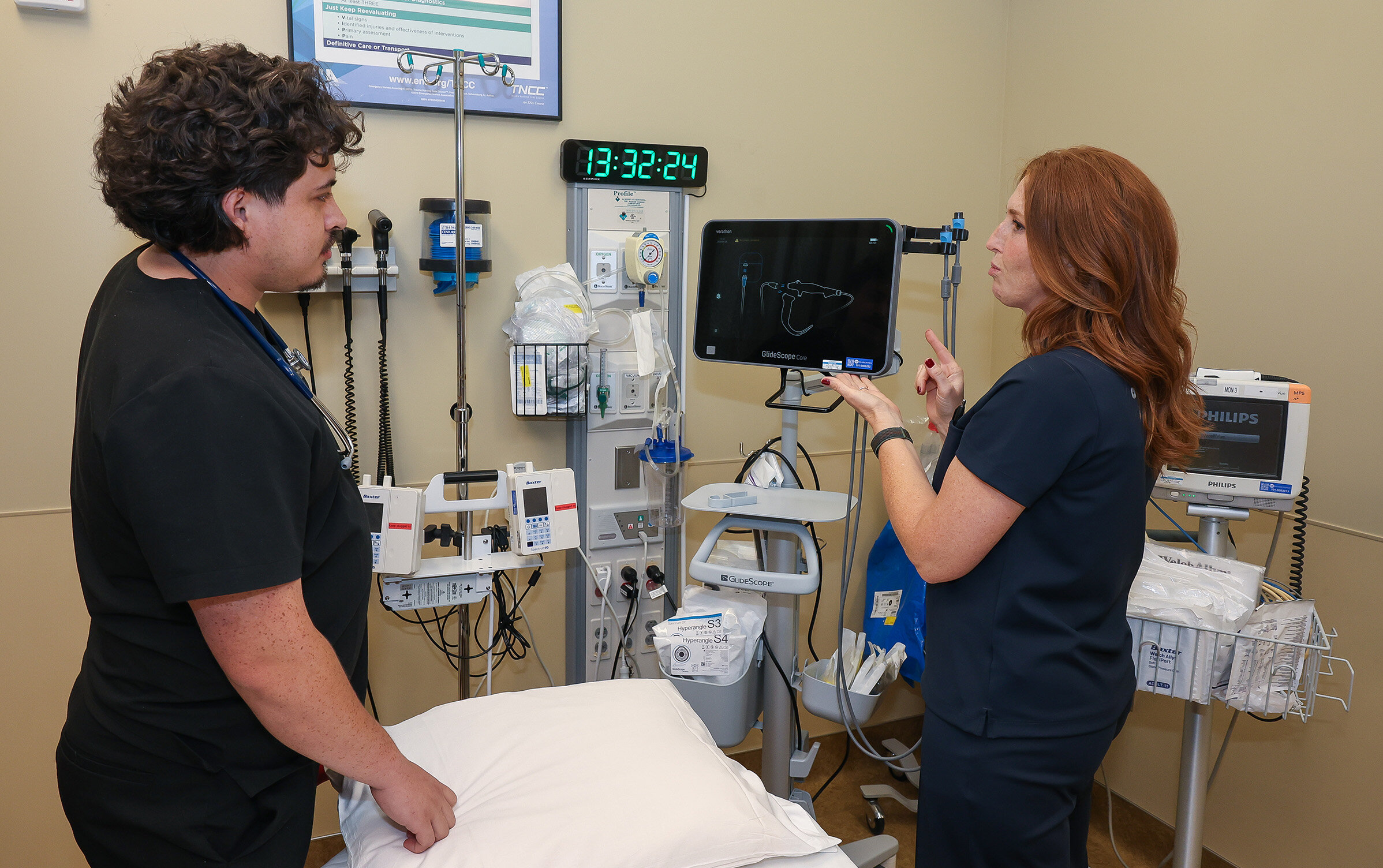
The expansion allows UNMC to offer medicine, pharmacy and public health programs in Kearney for the first time while expanding allied health and nursing programs. Overall, the complex hosts 14 academic programs, with UNMC enrollment in Kearney expected to reach approximately 625 students at full implementation.
It represents a simple but significant shift in how Nebraska prepares its healthcare workforce: Students interested in serving rural communities no longer need to leave greater Nebraska to complete their professional training.
Since the original Health Science Education Center opened, 85% of the students who graduated from UNMC programs in Kearney are now practicing in rural Nebraska.
“We’ve learned that where students come from and where they train matter,” Abels said. “When we recruit students from rural Nebraska, educate them in Kearney and connect them with rural hospitals and healthcare professionals throughout their training, we’re creating a much stronger pathway back to those communities.”
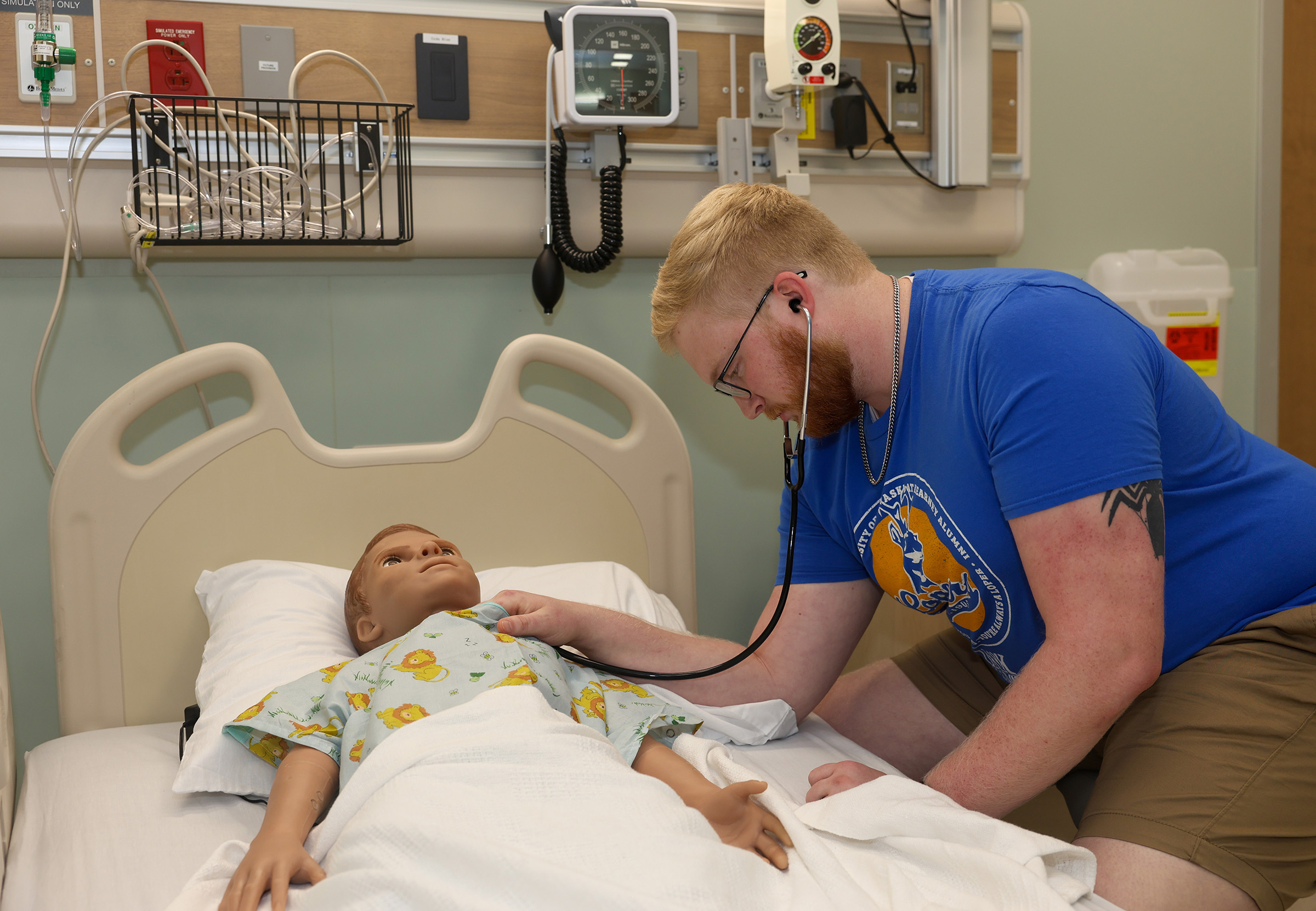
Keagan Callahan is currently traveling that pathway.
The Palmyra native graduated from UNK in 2025 with a bachelor’s degree in biology. He’s now a second-year physician assistant student at UNMC in Kearney.
His interest in rural healthcare developed through volunteer fire and rescue service.
Callahan joined the local department as a high school senior, following his father into the organization. The experience put him face to face with one of rural healthcare’s biggest challenges – distance.
He saw what happened when someone needed immediate care, but the nearest hospital was miles away.
“After seeing the lack of healthcare that some of the small towns around me had and seeing how long it can take to get to a bigger city like Lincoln, I realized that’s where I wanted to be,” Callahan said.
During college, he gained additional healthcare experience through job shadowing and nearly three years working as a phlebotomist at Kearney Regional Medical Center. Those experiences helped him decide that physician assistant was the career he wanted to pursue.
When it came time for professional school, the UNMC program in Kearney allowed him to continue his education without leaving a community he’d grown to love.
“I thought I’d be here for a few years and then leave,” Callahan said. “But having been here for a while, it truly just feels like home now. Having the PA program here is great because I could stay home and do exactly what I wanted to do. I didn’t have to pick up my life and move somewhere else.”
He sees the expanded rural health complex as a visible commitment to the communities beyond Nebraska’s metropolitan areas.
“It shows that we are thinking about those rural communities,” Callahan said. “It makes it a lot easier for us to get those rural experiences, too.”
Callahan and his wife Lyndsay, who is completing UNMC’s nursing program, are interested in remaining in Kearney after professional school.
To him, serving rural Nebraska means more than filling an open position. It means becoming part of a community.
“In rural communities, when it comes to healthcare, it’s easier to get to know and trust your provider because they live there,” he said. “You truly know your neighbors and are able to care for each other.”
Opening the Doors
About 70 miles north of Kearney, Ord is home to roughly 2,100 people and Valley County Health System, another key partner in UNK’s rural healthcare efforts.
Inside the hospital, the small-town connections are easy to see.
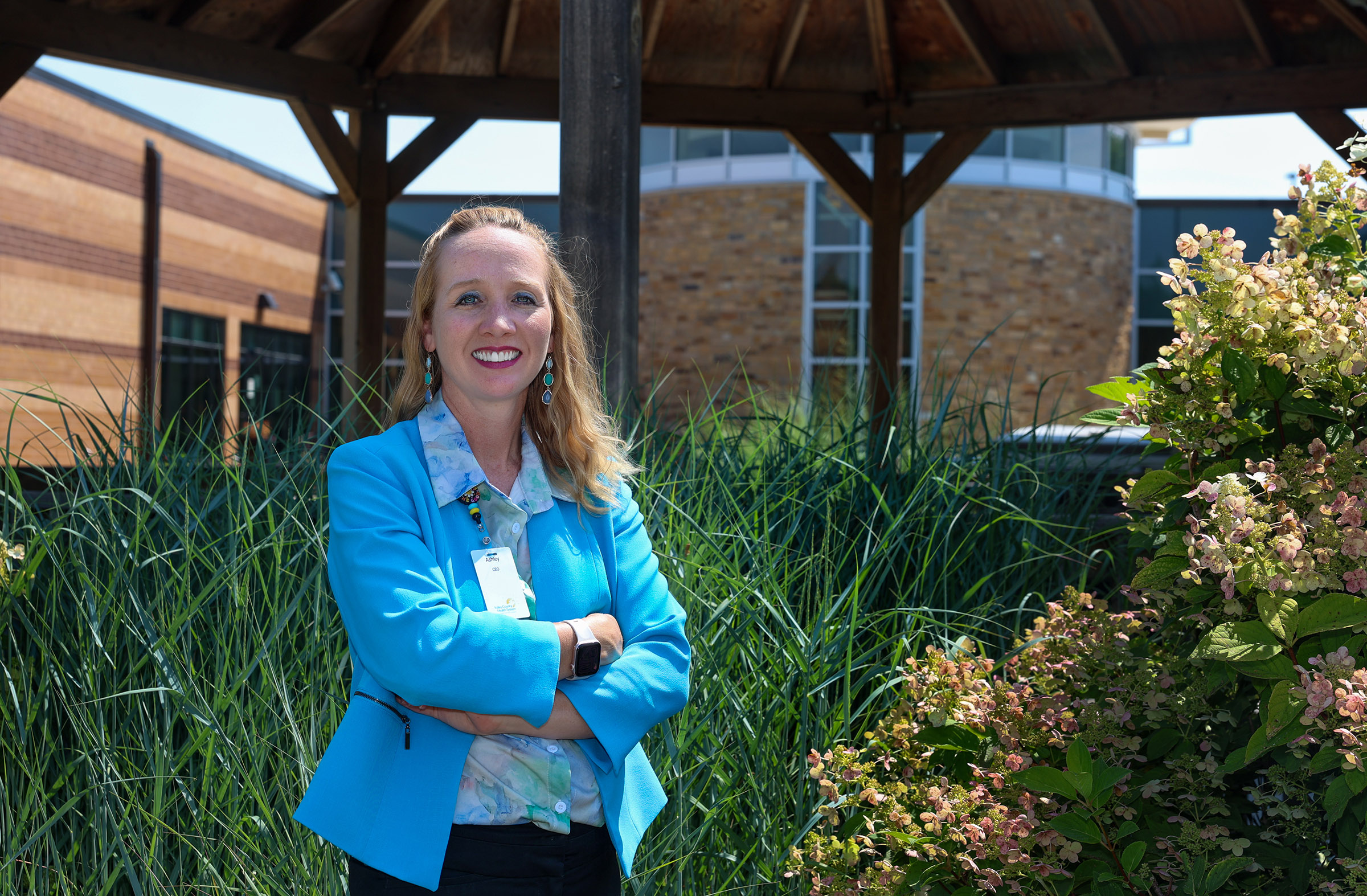
CEO Ashley Woodward walks through the halls greeting employees by name. In the cafeteria, a staff member serving that day’s lunch special – beef tips and mashed potatoes – already knows to hold the mushrooms when she’s in line.
“We’re small enough that they know what we do and don’t like,” Woodward said with a laugh.
It’s a lighthearted example of something much more significant.
Valley County Health System is deeply connected to the community it serves.
The health system employs about 200 people and operates a 16-bed critical access hospital along with medical clinics in Ord, Burwell, Loup City and Sargent, rehabilitation centers and other outpatient services. Its medical staff includes five physicians and five advanced practitioners. Three of the physicians – Miller, Nathan Harms and Greg McClanahan – are UNK graduates.
Woodward’s appreciation for local healthcare comes from her own ties to the area.
She grew up in North Loup, about 12 miles from Ord, and was born at the former Ord hospital just up the hill from the current facility. She has worked for Valley County Health System for 20 years, first as chief financial officer and now as CEO.
“For me, I want my family to live in a community where healthcare is a few blocks away, and that is what we have here,” she said. “For emergent needs, it is absolutely essential. Every second counts.”
The health system is important to the region in other ways, too.
As Valley County’s largest employer, it brings professionals and families into the area while providing services that help other residents remain there. That makes workforce recruitment a community issue as much as a hospital issue.
“We are constantly recruiting,” Woodward said. “Even if we don’t have an opening, we are still always recruiting.”
UNK’s Hospital Partners program plays a key role in those efforts.
Valley County Health System and Merrick Medical Center are among 24 hospitals and healthcare systems across Nebraska partnering with UNK Health Sciences to strengthen the state’s workforce. The relationships create opportunities for facility tours, career fairs, job shadowing, internships, entry-level employment and clinical experiences.
UNK’s Rural Immersion Program, launched in 2024, takes that approach even further by placing students inside partner hospitals for weeklong experiences. Participants rotate through departments such as surgery, emergency medicine, laboratory services, labor and delivery, pharmacy, radiology and administration. They also explore the community, meet local leaders and get a sense of what living there would actually be like.
Valley County Health System maintains several apartments where professional students completing rotations can stay. A former medical clinic on the hospital campus was converted into housing specifically for that purpose.
Woodward views those rotations as an extended introduction for both sides. Students learn what rural practice looks like. Hospitals get a chance to meet potential future employees.
“They really can see whether this is a good fit,” Woodward said. “It’s definitely a win for them because they get the education and experience and a win for us because it could be a potential recruit down the road.”
Dr. Miller sees the same value.
The partnership, she said, opens Valley County’s doors to students who may have never considered rural practice. They see the range of services. They meet the providers. They experience the patient relationships.
“It helps broaden their view of what rural practice is,” Miller said.
Abels agrees.
“We can talk to students about rural healthcare, but there’s no substitute for experiencing it,” she said. “When they spend time in these hospitals, they see the technology, the variety of careers and the level of care being provided. Just as importantly, they meet the people, explore the community and begin to picture what their own life could look like there.”
That exposure matters because rural communities are competing for a limited pool of healthcare professionals.
Woodward, who has two nephews in the KHOP program, points to the UNK-UNMC partnership as an important piece of Valley County Health System’s long-term recruitment efforts.
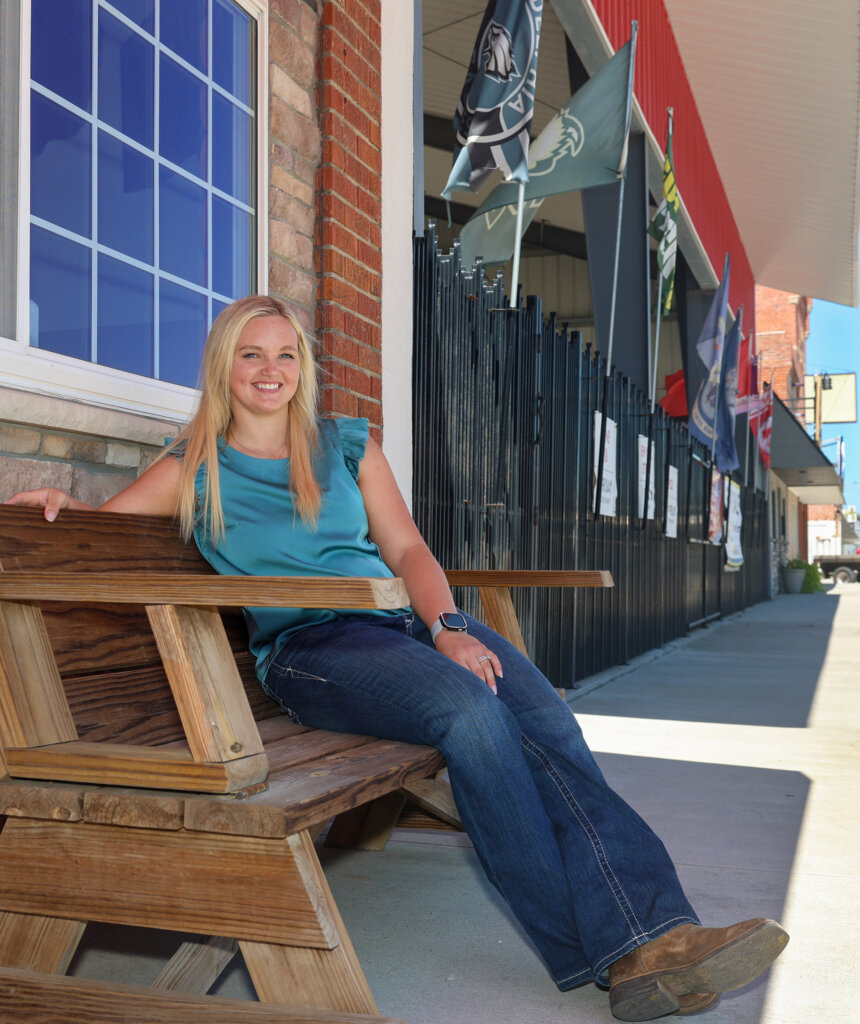
“It’s invaluable for our community,” she said. “Having UNMC in Kearney will help with recruitment because many of those students already understand rural Nebraska and share the same values and expectations of rural healthcare that we do here in Ord. I think having that training available in Kearney makes it much more likely they’ll stay rural, and that’s going to be a huge win for rural healthcare.”
Wood is a prime example of what that can look like.
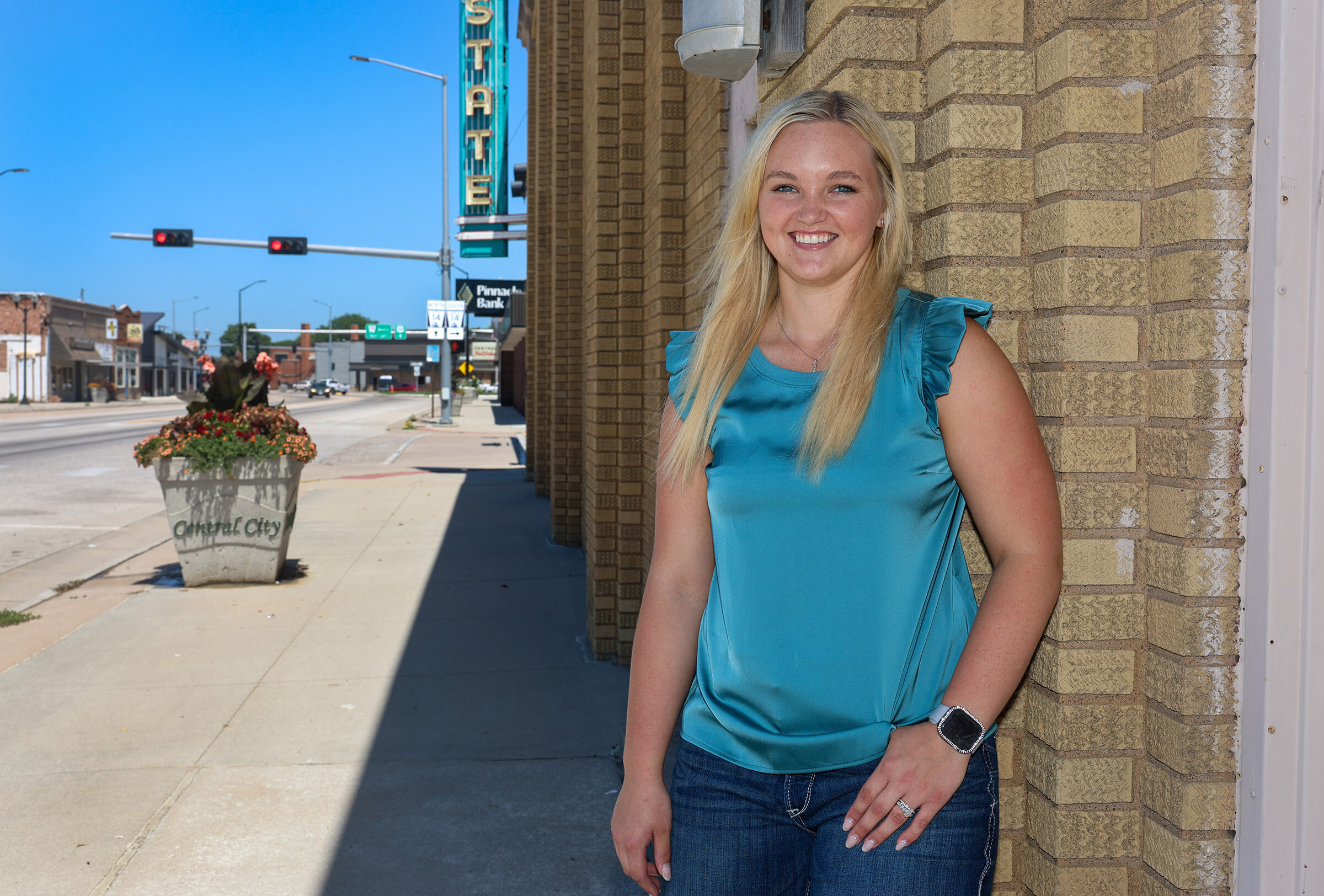
Her life and career remain closely tied to the rural area where she grew up. She and her husband Tanner, also a UNK graduate, live in Central City, not far from both of their hometowns. Tanner teaches social studies at High Plains, the school they both attended.
“We knew we wanted to come back to this area,” said Wood, who got married this summer.
There are plenty of daily reminders why.
A trip to the grocery store almost always includes a chat with someone you know. People wave when they pass each other. Wood can spend her free time fishing or visiting family, and most mornings still begin on the farm.
“It’s just the small-town vibe,” she said with a smile. “It’s a very low-key life.”
“If you want to care for people, challenge yourself and make a real impact, this is the way to do it.”