THIS STORY IS FEATURED IN THE 2026 NEW FRONTIERS MAGAZINE
By HEIDI KNAKE
UNK Communications
KEARNEY – When Kaitlyn Hesman hands back assignments, they may look a little different from most.
Her students receive two rubrics back with feedback – one from her and the other a self-reflection of their own work.
Using a rubric she created, students grade themselves on how much of the assignment they completed, the effort they put forth and their overall work ethic. Hesman then reviews the assignment, allowing her students to compare how they viewed their own learning with their teacher’s assessment.
“It gives them ownership of their learning,” Hesman said.
This addition to each assignment isn’t busy work. It’s one of many Universal Design for Learning strategies Hesman learned while earning her master’s degree in special education from the University of Nebraska at Kearney.
The Hastings Middle School special education teacher who works with adjudicated youth has spent the past year incorporating UDL and other teaching strategies she learned through her fully online graduate program.
This teaching framework focuses on providing students with the flexibility to learn and display their knowledge in ways that make sense to them – whether that be through writing, art, presentations or other means.
“You choose strategies so every student can learn the same content, just in different ways,” she said. “UDL really does benefit every student, but you have to meet each student where they are.”
Flexible workspaces are another UDL strategy she implemented in her classroom. With help from her administration, she was able to add a few beanbags to the classroom.
By giving students choices – even in small things like where to sit or where to leave their phones when entering the classroom – while encouraging self-reflection and clarifying goals, she’s seen them transform the way they approach school.
She’s also seen a spike in many of their grades. Many of her students who were initially failing classes have raised their grades to a B.
“It’s so rewarding to see the impact that my coursework is making for my students,” Hesman said.
LEARNING WITHOUT LIMITS
That impact is exactly what Alice Cahill hopes to see.
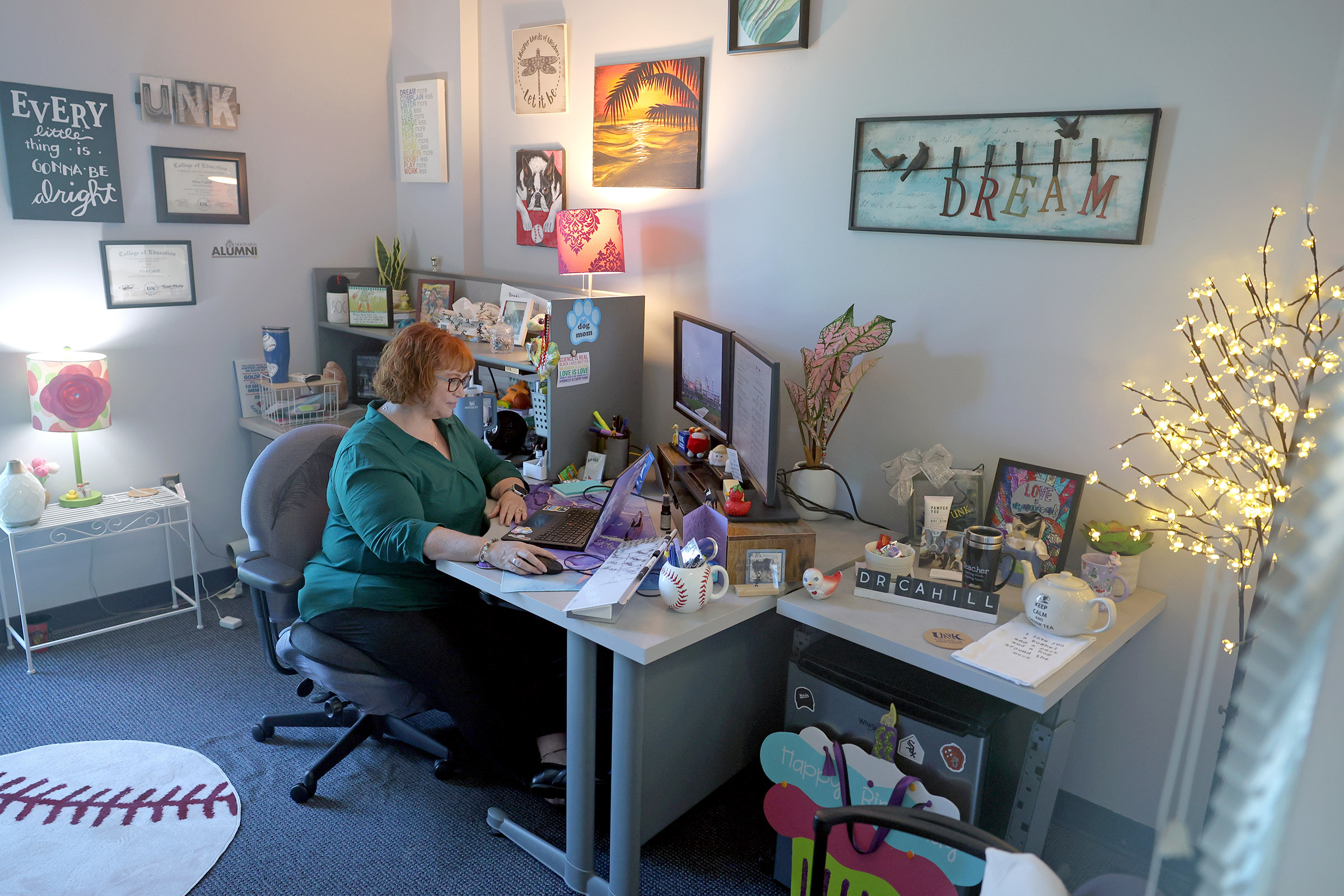
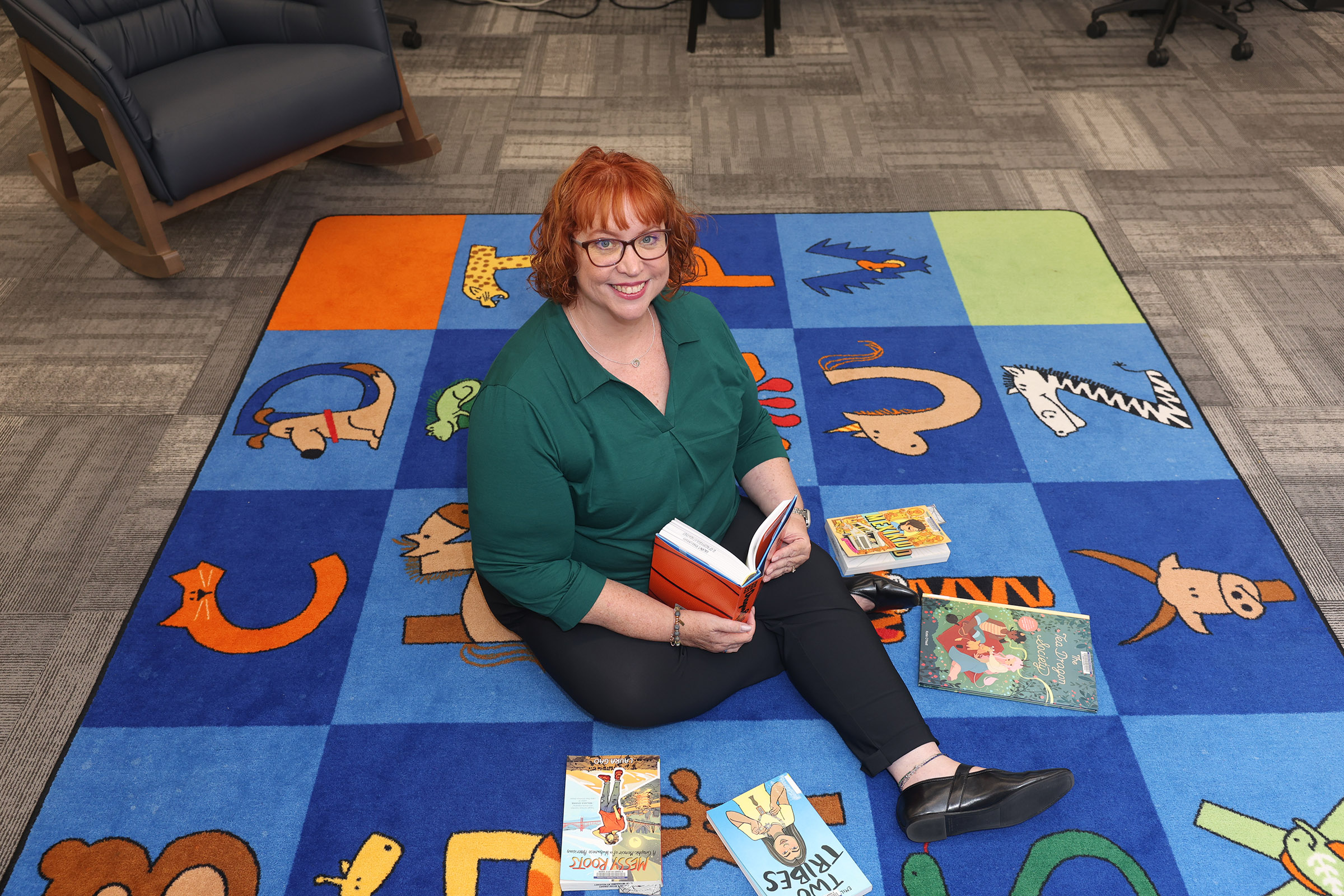
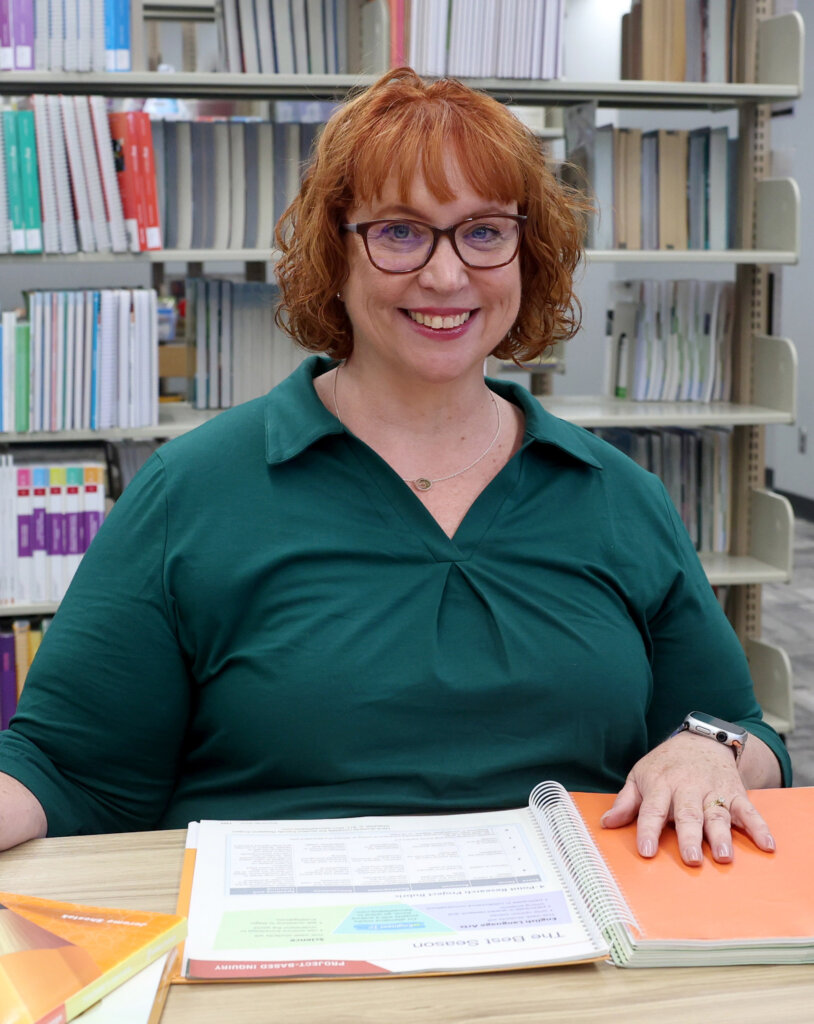
As an associate professor of teacher education, Cahill has been researching UDL and preparing current and future teachers – like Hesman – at UNK for nearly a decade.
Many of her graduate students are currently working as full-time educators, so Cahill intentionally designs assignments that can be immediately implemented into their own classrooms.
“Teachers tend to teach toward the middle,” Cahill said. “What I mean by that is we create extra steps for kids who are a little lower academically and we create extra assignments for those who are a little higher. Typically, teachers design their classrooms and lessons for students who are somewhere in the middle because that’s where the majority land.”
Rather than asking students to adapt to one lesson or one way of demonstrating learning, UDL encourages teachers to build flexibility into instruction from the beginning to help all students succeed.
“We need to be open to the idea that not everybody learns the same, so not everybody is going to produce the same product,” Cahill said. “Some kids are going to want to write a paper, some are going to want to do a PowerPoint presentation and others are going to want to create art or a diagram. What’s important is that they’re learning.”
 Grounded in brain science, UDL seeks to remove barriers that prevent students from fully participating in the classroom while increasing engagement, belonging and academic success.
For Cahill, the work has always been personal.
Growing up in Chicago, she knew by age 4 that she wanted to become a special education teacher.
In kindergarten, she was one of the only students in the class to befriend a paraprofessional with a hearing impairment. At that young age, she learned enough sign language to communicate with her and help include her in the classroom.
Years later, after teaching special education herself, Cahill realized she could make an even greater impact by teaching teachers.
Growing up, her father often told her she could become any kind of doctor she wanted.
“I don’t think this is what he meant,” Cahill said with a laugh.
She earned her doctorate in special education and accepted her first full-time higher education position at UNK in 2017.
Today, she serves as the assistant chair for UNK’s Teacher Education Department and is a member of the university’s Access Alliance committee, which works to expand UDL practices across campus. Through implementing strategies and supporting and educating faculty and staff, the committee hopes to enhance learning for UNK’s more than 5,000 students.
Whether she’s working with UNK faculty or graduate students who take these practices back to their own classrooms, Cahill hopes her work helps students succeed and teachers rediscover the joy of teaching.
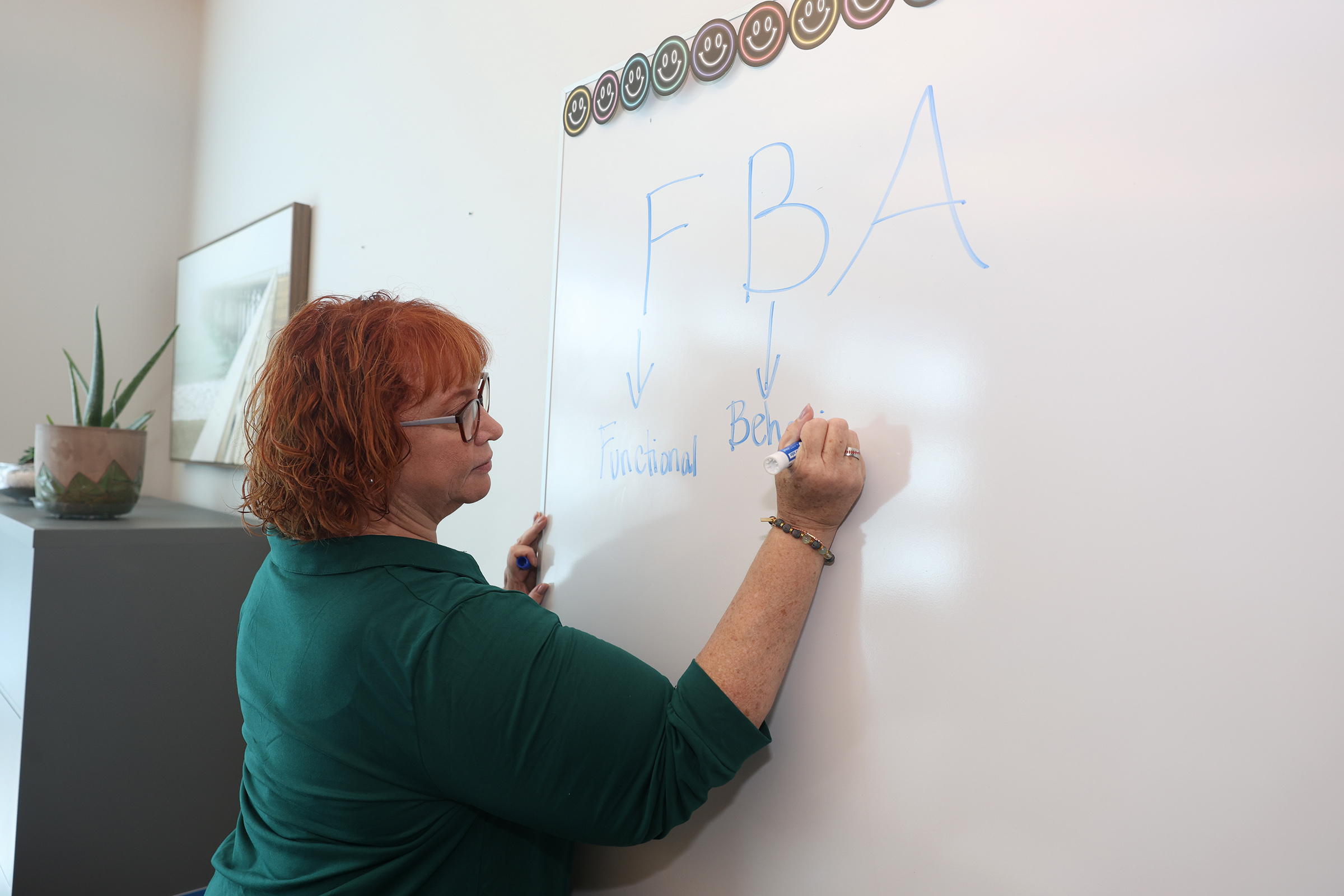
KEEPING TEACHERS TEACHING
The work comes at a critical time.
Last year, Nebraska schools reported 490 teaching positions that were vacant or filled by educators who weren’t fully qualified, including 140 in special education — the highest shortage among all teaching areas.
“I’m from Chicago, so I’m brutally honest with my students when I tell them teaching is one of the hardest jobs they’ll ever have,” Cahill said. “But it’s also the most rewarding.”
While UDL won’t solve the teacher shortage on its own, Cahill believes it can help teachers stay in the profession.
When students are more engaged and have a sense of belonging, they are less likely to act out in the classroom. This allows educators to spend less time reacting to negative behaviors and more time teaching students who want to come to school and learn.
“Belonging is important for everybody,” Cahill said. “It combats things like mental health issues and loneliness, which are major issues right now for young people.”
Ultimately, Cahill hopes the framework creates classrooms where students aren’t expected to fit a single mold but instead learn in ways that work best for them.
“When students present their learning through their passions, it’s fun as a teacher to see them get excited about schoolwork,” she said.
For Hesman, that research has already made its way from UNK into her classroom.
For her students, it has made school a place where they don’t just complete assignments.
They take ownership of their learning – and maybe even enjoy it along the way.
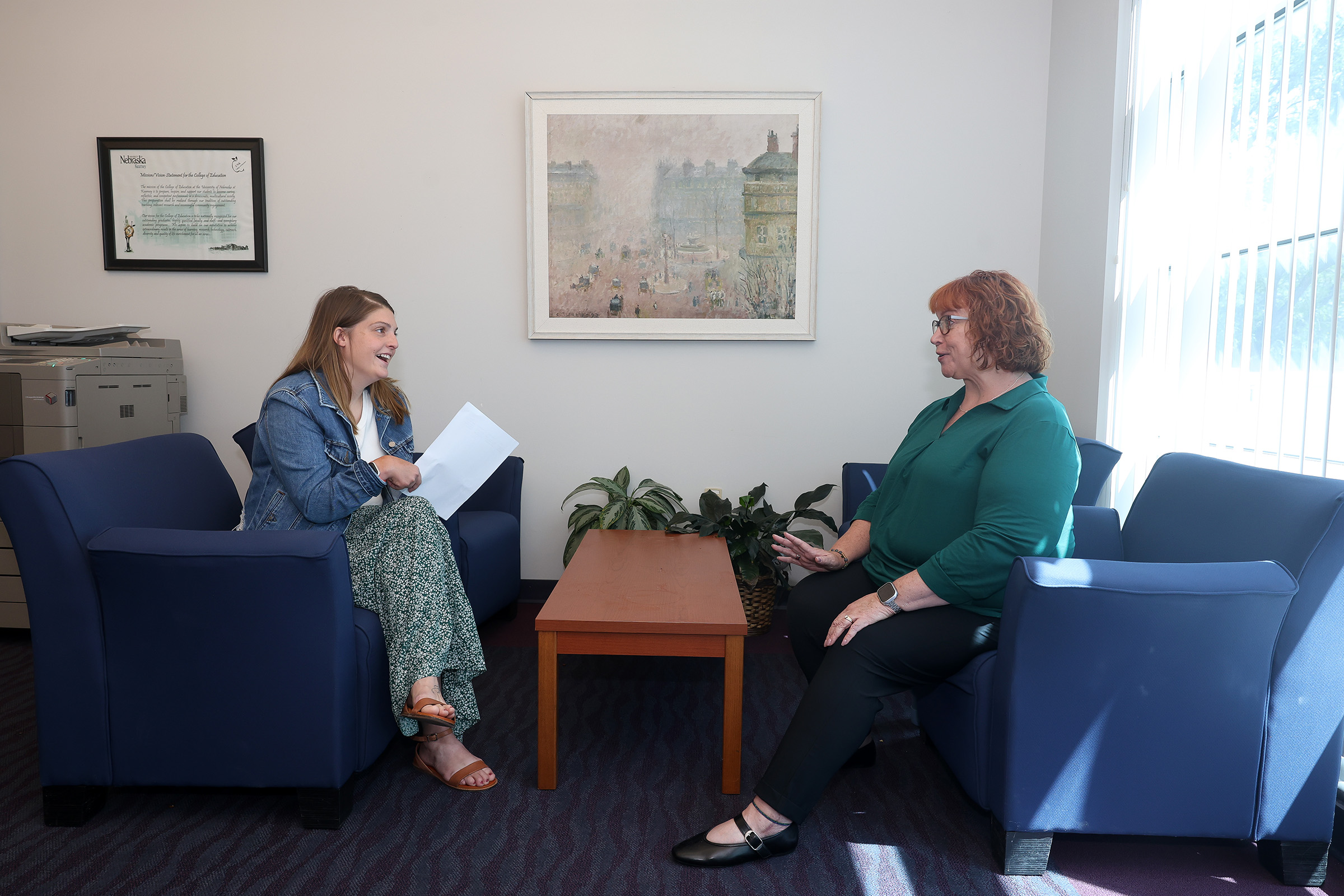
ALICE CAHILL
Title: Associate Professor, Teacher Education
College: Education
Education: Doctor of Education in special education, Illinois State University, 2016; Special education leadership studies, University of St. Francis, 2007-08; Master of Science in educational administration, Northern Illinois University, 2001; Bachelor of Arts in special education, Benedictine University, 1996.
Years at UNK: 9
Areas of research/specialization: Cahill’s research agenda includes behavioral and academic interventions and Universal Design for Learning for all students. Her current work includes research focused on self-regulation and the use of Universal Design for Learning as a planning tool that supports the belonging and success of all students, including those with disabilities, multilingual learners and gifted students.
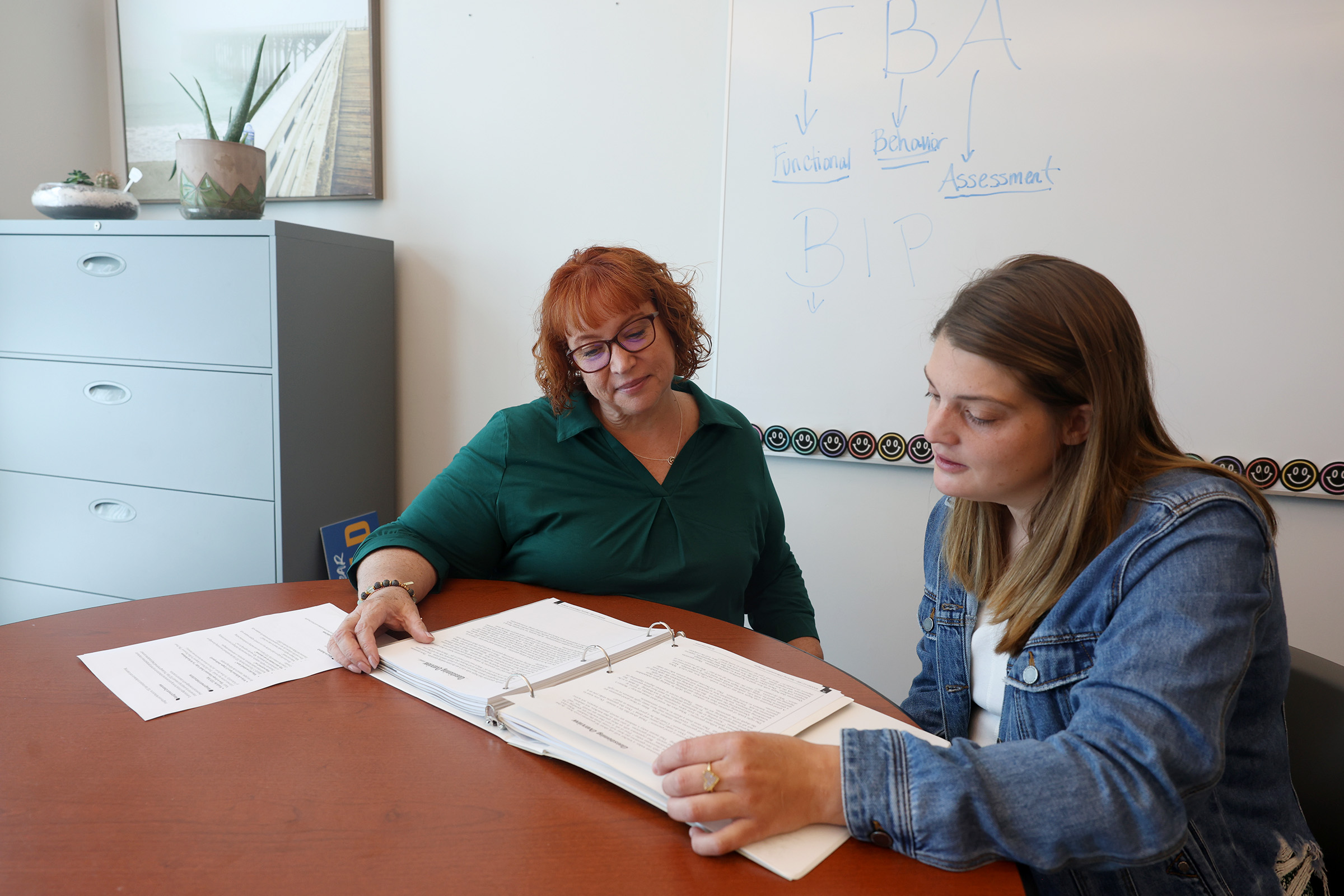
Courses Taught: Functional Behavior Assessment and Interventions PreK-12, Applied Behavior Analysis, Graduate Practicum in Special Education, Universal Design for Learning.
Recent Published Articles: “Time-Out for Students with Emotional/Behavioral Disorders: A Systematic and Meta-Analytic Review,” Behavior Disorders, 2025; “A Synthesis of the Effects of Summer Reading Interventions on Secondary Students with or At-Risk for Reading Difficulties,” Frontiers in Education, 2025; “Lesson Time and Accuracy in a Computer-Delivered Reading Intervention,” Universal Journal of Educational Research, 2025.