By HEIDI KNAKE
UNK Communications
KEARNEY – The moment Silvestre Vargas stepped onto the University of Nebraska at Kearney campus, he heard something unexpected.
His first name.
“It made me feel like they cared about me and it made me feel like I belonged right away,” said Vargas, now a sophomore from Lexington.
At UNK, they like to say that’s the Power of the Herd, but technically it’s the integration of the ecological validation model of student success.
“Ecological validation, or EV, acknowledges that campuses have a responsibility to be student-ready for the scholars who enter higher education systems today,” said Jennifer Harvey, senior director of UNK’s Thompson Scholars program and EV initiatives.
UNK offers more than 150 student organizations, peer tutoring, career and internship assistance, academic advising and many other student services from study abroad to financial aid. However, without the skills and knowledge of where and how to access these resources, students may never utilize them.
The EV model focuses on how college campuses support students rather than what offerings are in place.
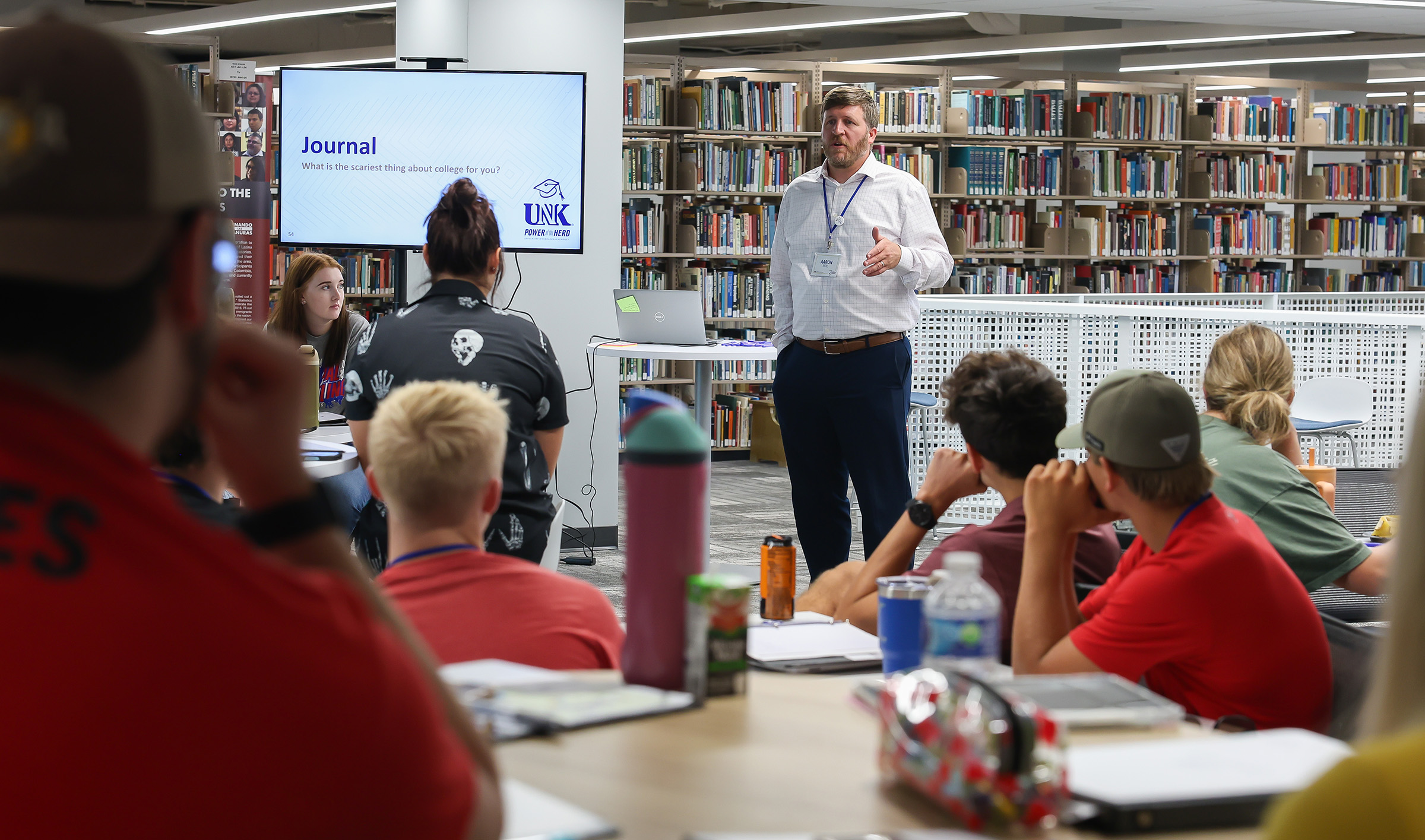
“The ‘how’ of ecological validation suggests that faculty and staff should connect with students in meaningful ways and provide them with holistic, proactive, strengths-oriented and developmental support,” said Aaron Estes, senior director of the Loper Success Hub.
EV removes the expectation that students are solely responsible for navigating complex services and instead places that role within the institution. With EV, UNK creates opportunities, systems and events that encourage students to pursue these valuable resources with personalized guidance from faculty and staff.
Students don’t succeed on their own, and the university has a responsibility to ensure that every Loper feels like they belong.
Connection Comes First
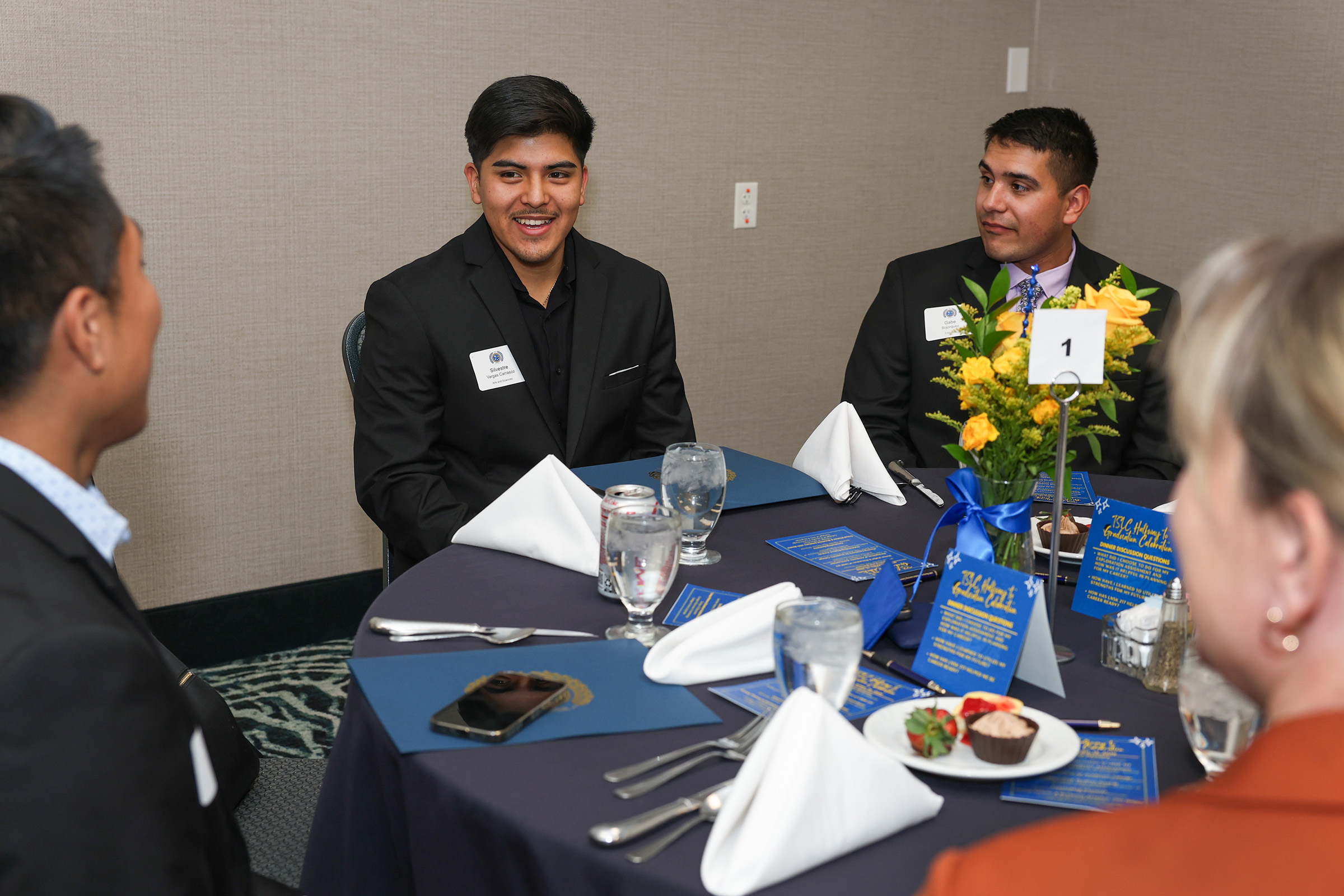
Since 2008, UNK has been putting that philosophy into practice through programs like the Thompson Scholars Learning Community (TSLC), a living-learning community for recipients of the Susan Thompson Buffett Foundation Scholarship.
First-time freshmen in the program begin building connections prior to their first day of classes. They move into the same residence hall early, take classes together and build a support system that carries them through their college experience.
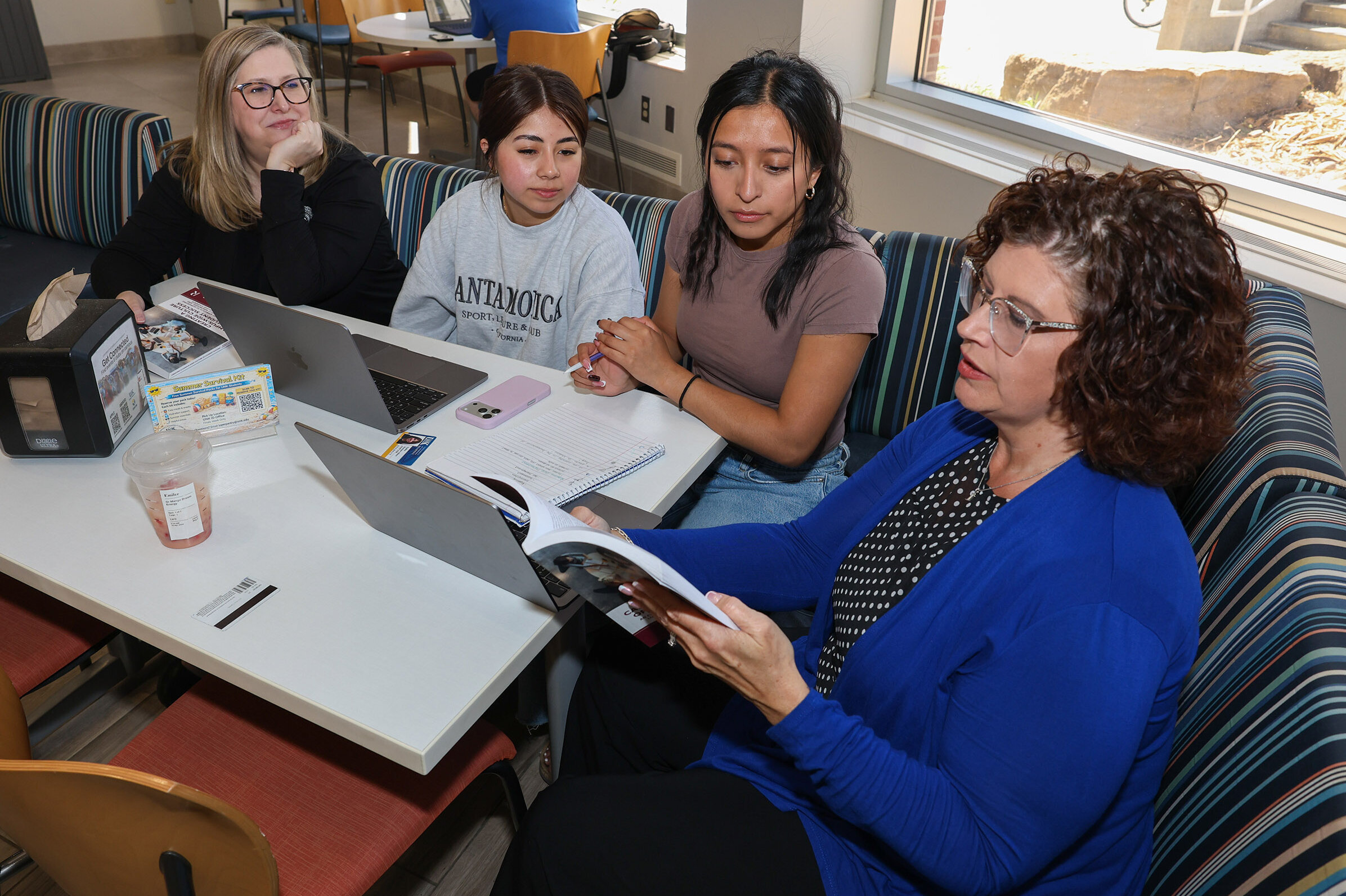
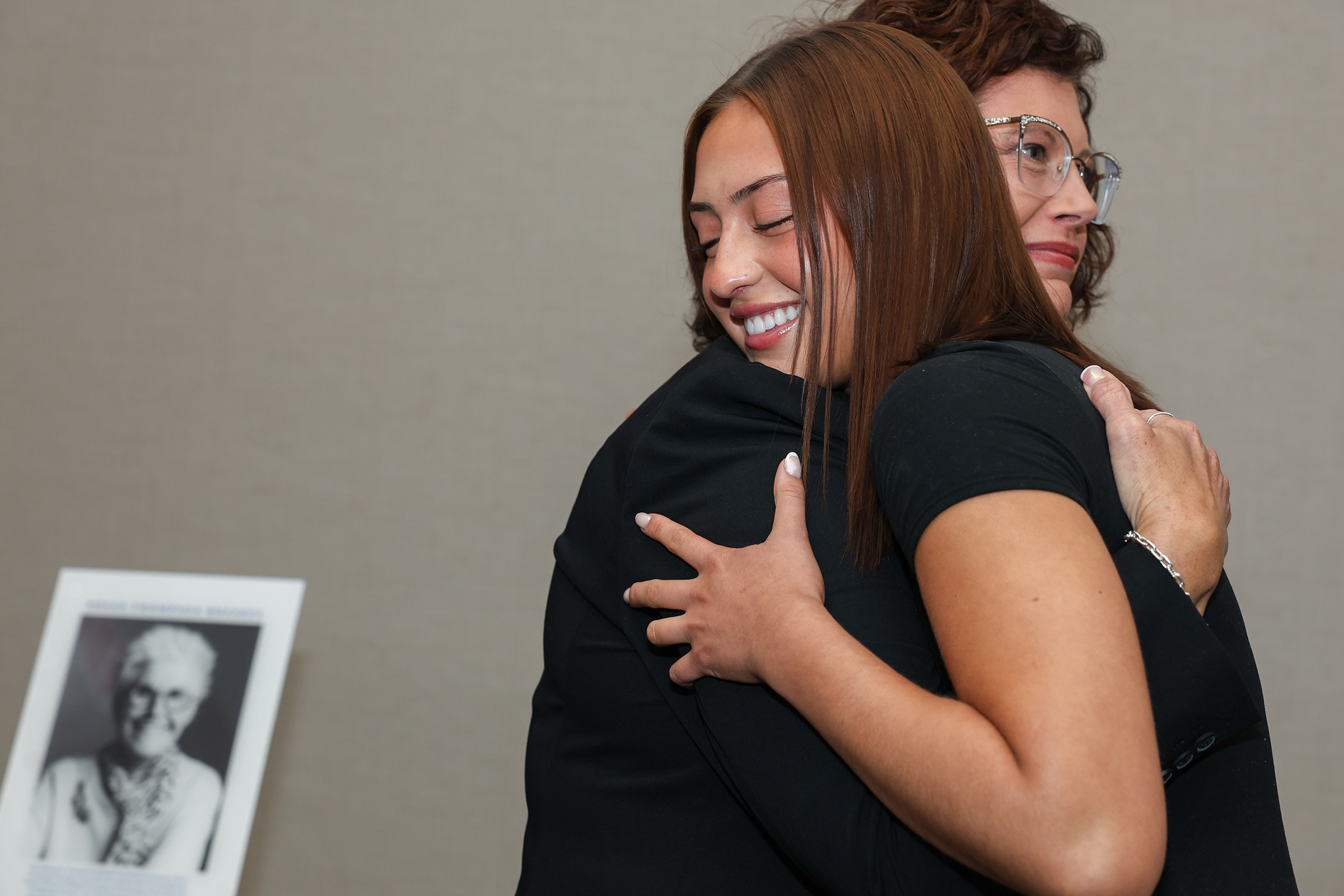
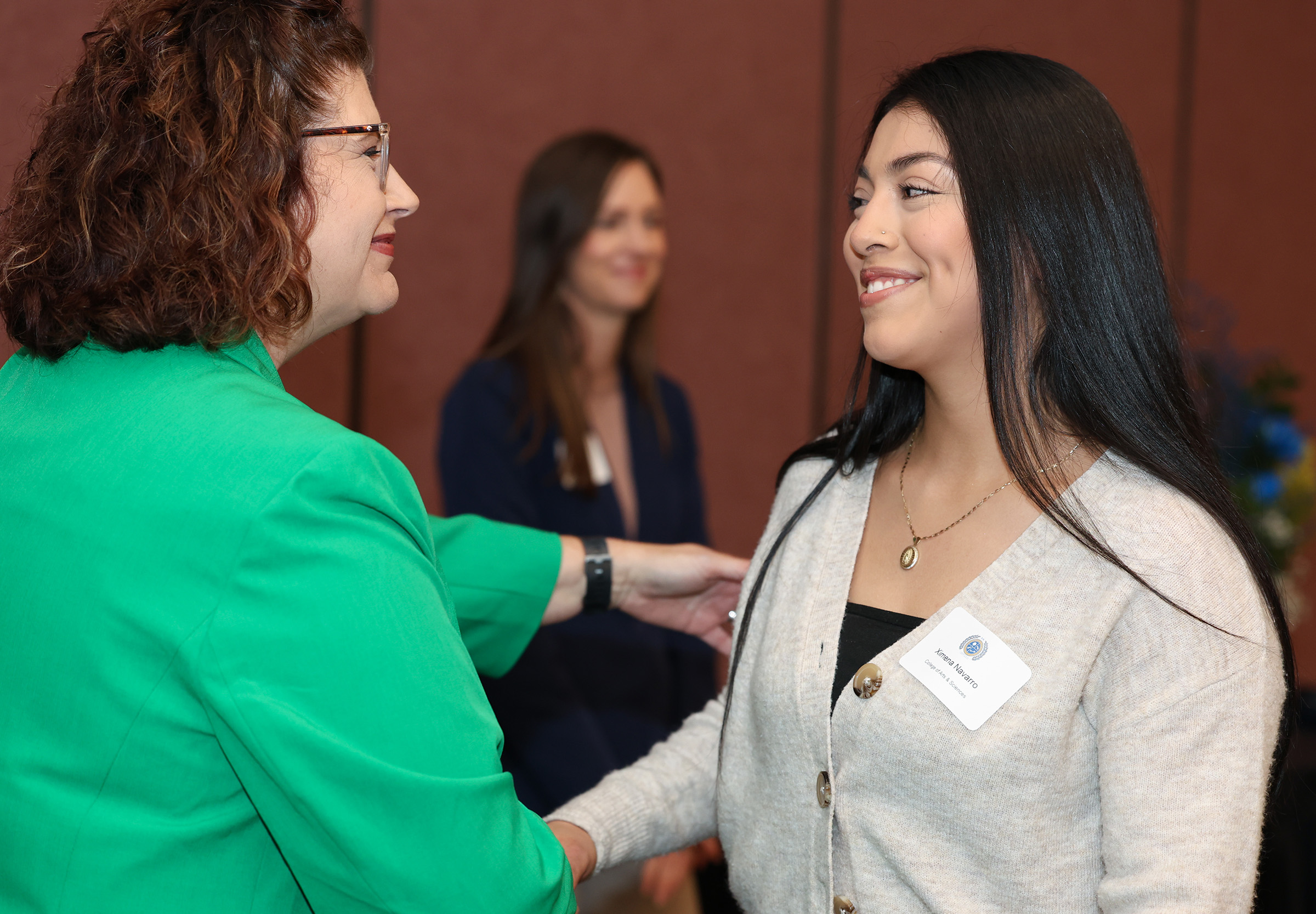
Harvey and the TSLC team take their responsibility to be student-ready seriously by learning about every incoming Thompson Scholar prior to their arrival, so they’re ready to greet all their students by first name, just like Vargas.
Last semester, more than 350 students who received the scholarship were attending UNK. That’s a lot of names to remember, but it’s worth the effort because the program is seeing major results.
According to a 2025 report from the National Student Clearinghouse, 69.5% of college freshmen nationwide returned to their current school for their second year of education. The retention rate is nearly 20% higher within the Thompson Scholars Learning Community, which sees 88.9% of students return for their second year.
TSLC also boasts an average six-year graduation rate of 74.9% – well above the 61.1% figure nationally. The 2019 cohort had the program’s second-highest six-year graduation rate at 80%.
In 2015, the University of Southern California began a multiyear research project that focused on learning communities across the University of Nebraska System, including this group of successful UNK students.
Their results show that university-coordinated opportunities, like TSLC, lead students to stronger academic and psychosocial outcomes. This is especially true for what the researchers call at-promise students, which includes first-generation students and those from limited income backgrounds.
In addition to TSLC, UNK offers specialized living-learning communities for its Kearney Bound program, health sciences, business and technology, teacher education and STEM, helping even more students thrive on campus.
A Network of Support
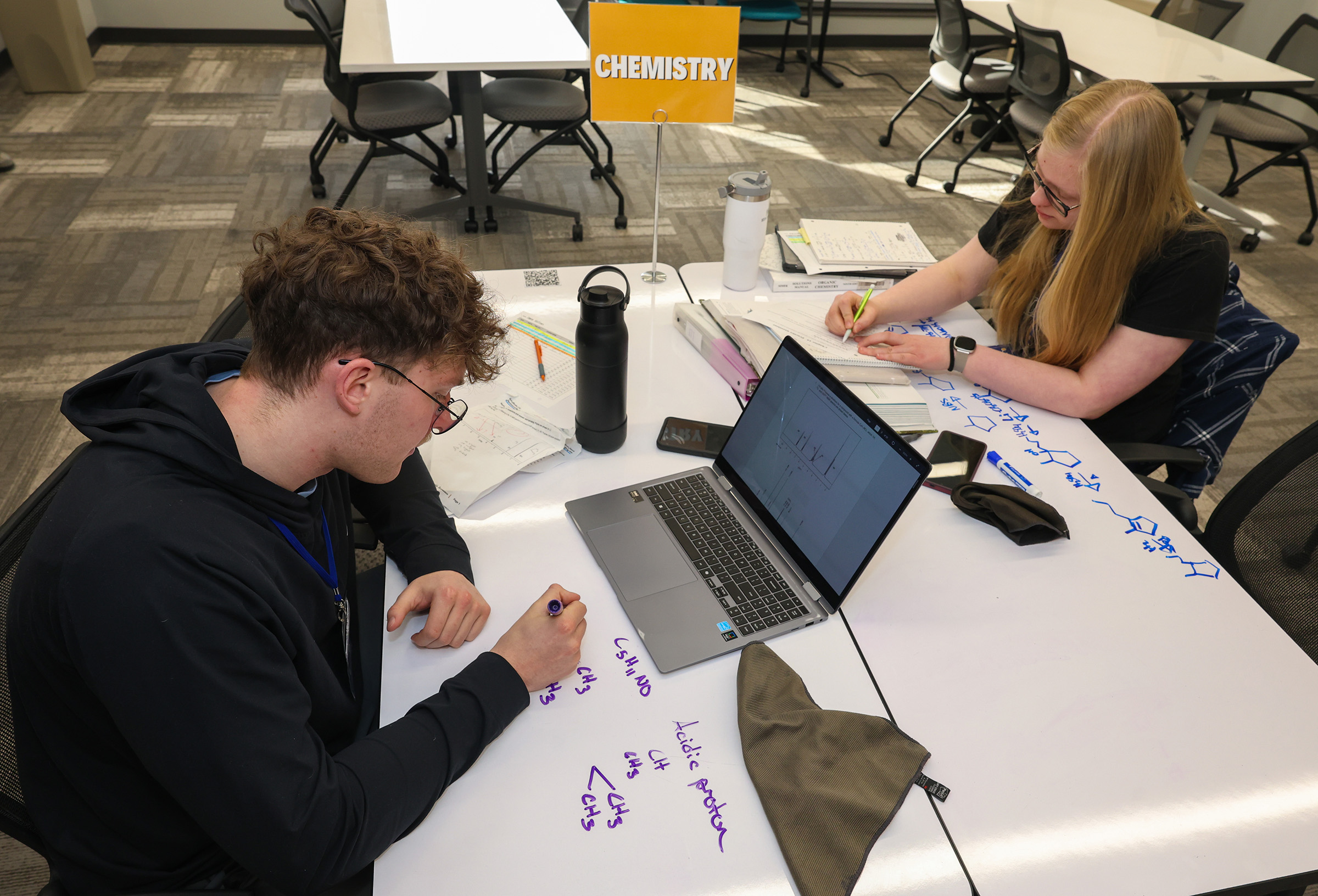
Recognizing that many students won’t participate in a living-learning community, UNK’s EV model can also be seen in other areas on campus, such as academic advising, LOPER 101 courses and the Loper Success Hub in the recently renovated Calvin T. Ryan Library.
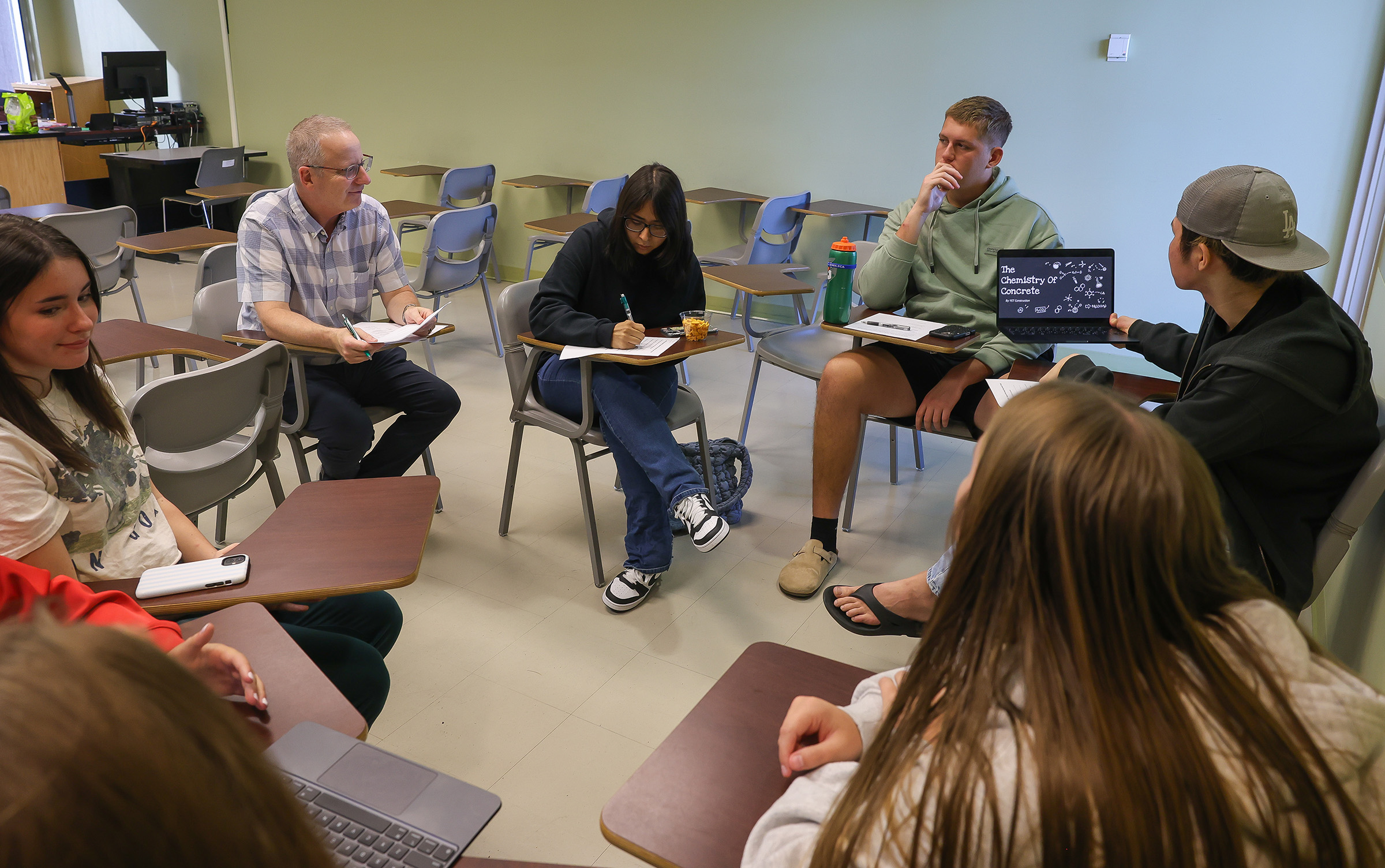
“LOPER 101 as a freshman seminar course is proactive, as our university delivers valuable content and a sense of belonging to all first-year students,” Harvey explained.
Required for all first-year undergraduate students learning both in person and online, these classes blend university skills development – time management, study strategies, career planning, campus resource awareness and financial and personal wellness – with engaging academic topics. They also allow students to build strong relationships that can last throughout their time at UNK.
By meeting one-on-one early in the semester, instructors are able to develop rapport with students and better understand their skills and goals.
“These early connections enable instructors to identify challenges and connect students with appropriate resources,” Estes said. “This creates a coordinated support system where students feel supported and encouraged to seek help when needed.”
Because the courses are co-taught by a UNK faculty and staff member, students gain access to a larger pool of opportunities and resources. With 25 topics to choose from, they’re sure to find a class that fits their career aspirations and interests.
During the 2025 fall semester, 789 UNK students were enrolled in a LOPER 101 class. Among those students, 737 are still attending UNK, a 93.4% retention rate.
Often, LOPER 101 class assignments will incorporate a UNK campus resource to help students learn how to utilize the service. For example, they may be required to visit the Loper Success Hub to meet with a peer tutor or writing coach. The Success Hub was created in fall 2024 to centralize support services in a single location, making it easier for students to find assistance.
“The Loper Success Hub is here to help students have a positive, meaningful experience while they’re at UNK, achieve academic success, make progress toward graduation and prepare for life after college,” Estes said. “I believe the work we do is a great example of ecological validation in action.”
The Success Hub has served nearly 1,500 students this academic year.
Expanding the Impact
As ecological validation continues to gain traction, UNK has played a key role in sharing the model beyond its own campus. In collaboration with the research partners at USC, the university has introduced EV to a wider audience through webinars, conference presentations and scholarly work aimed at helping other institutions adopt similar approaches.
That momentum has also shaped efforts on campus, where EV principles are being integrated into new faculty training, professional development opportunities and ongoing conversations about student success.
“Ecological validation aligns with and enacts our UNK mission, vision and values,” Harvey said. “We need to continue to build a coordinated, validating culture of support by engaging our campus community in learning about EV.”
Her goal is for every faculty and staff member to understand and apply the model, ensuring they are prepared to support students and help them reach their full potential.
This support can be simple but powerful – even something as small as calling a student by name to reinforce their sense of belonging. As Harvey puts it, “Every Loper matters.”