By TYLER ELLYSON
UNK Communications
KEARNEY – The first semester of college can feel like a whirlwind. New schedules, new expectations, new friends and new responsibilities all arrive at once.
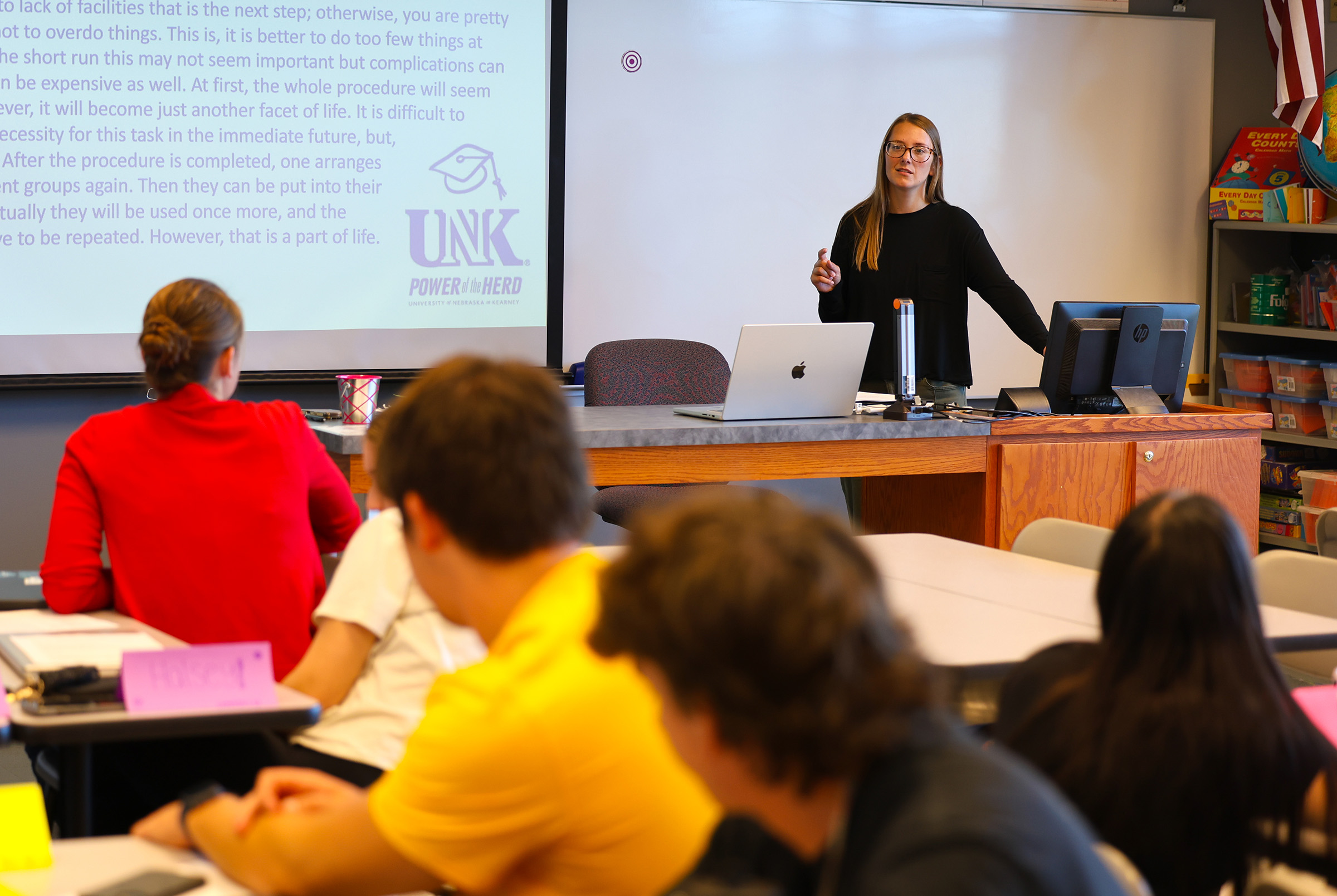
To help students navigate that transition with confidence, the University of Nebraska at Kearney revamped its LOPER 101 first-year seminar this fall, creating a more interactive experience that builds academic readiness, personal well-being and a strong sense of belonging from the very first weeks on campus.
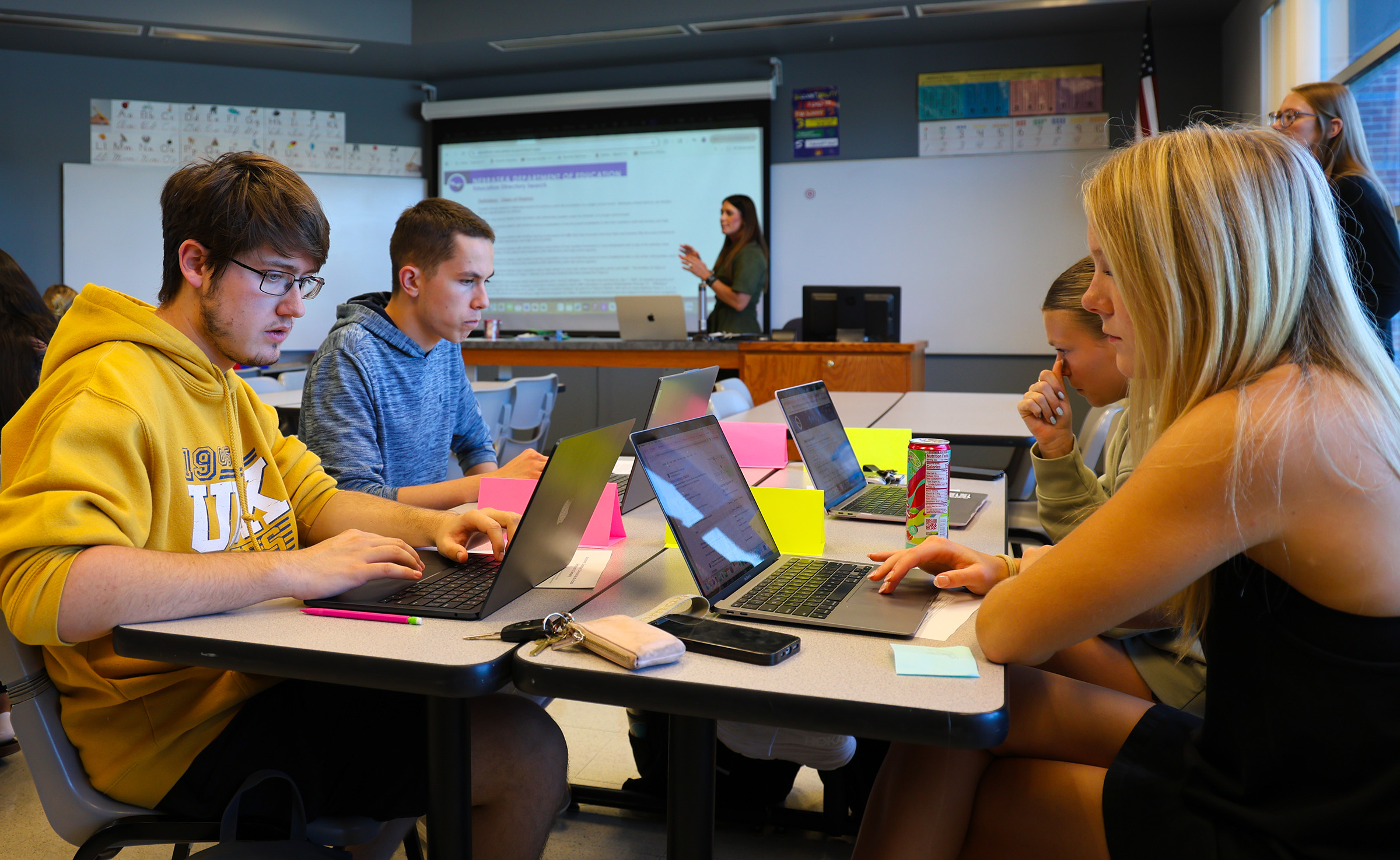
More than 800 students are enrolled in the new course, which now blends university skills development – such as study strategies, time management, notetaking, campus resource awareness and financial and personal wellness – with engaging academic topics, hands-on activities and real conversations about college life. Most sections are co-taught by a faculty member and a professional staff instructor, marking the first time UNK has intentionally paired academic and student support roles inside the classroom.
“There’s really a shift toward helping students understand how college works and giving them the confidence to succeed here,” said Chris Exstrom, a chemistry professor and director of general education at UNK. “We want students to feel at home, prepared and supported from the moment they arrive.”
Rather than focusing solely on academic content, each section now uses its topic as a framework for practicing these essential university skills. In short: the course is about learning how to learn – and learning how to belong.
“The script is kind of flipped,” Exstrom said. “We still have academic topics that are interesting for students, but much more of the focus is on developing and practicing those university skills.”
Creating Campus Connections
Although every section includes university skills development, each has its own unique theme that shapes class discussions, projects and peer interactions. There are 25 different options, covering topics such as artificial intelligence, criminal justice, entrepreneurship, wealth management, bilingualism, health, history and math.
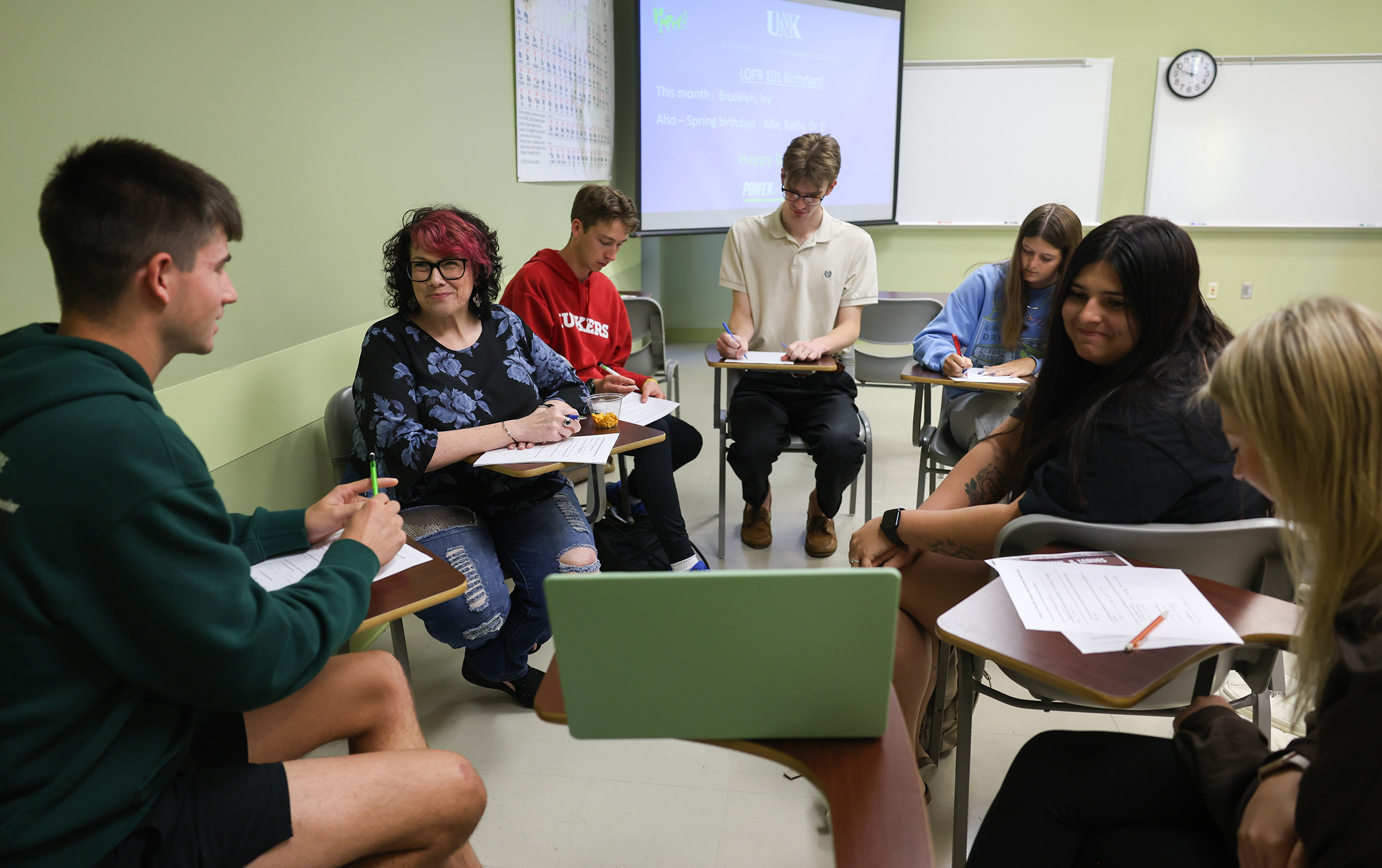
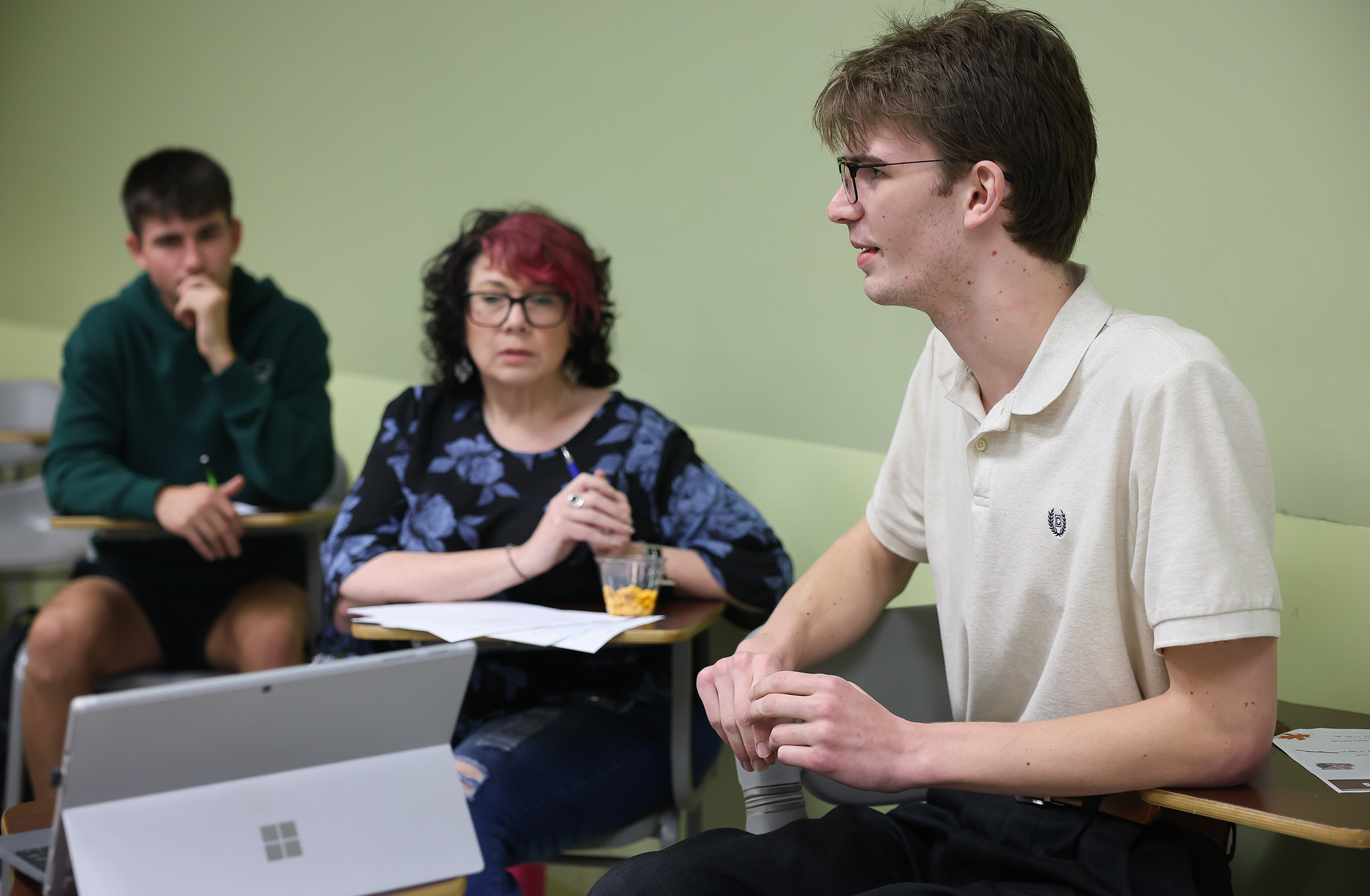
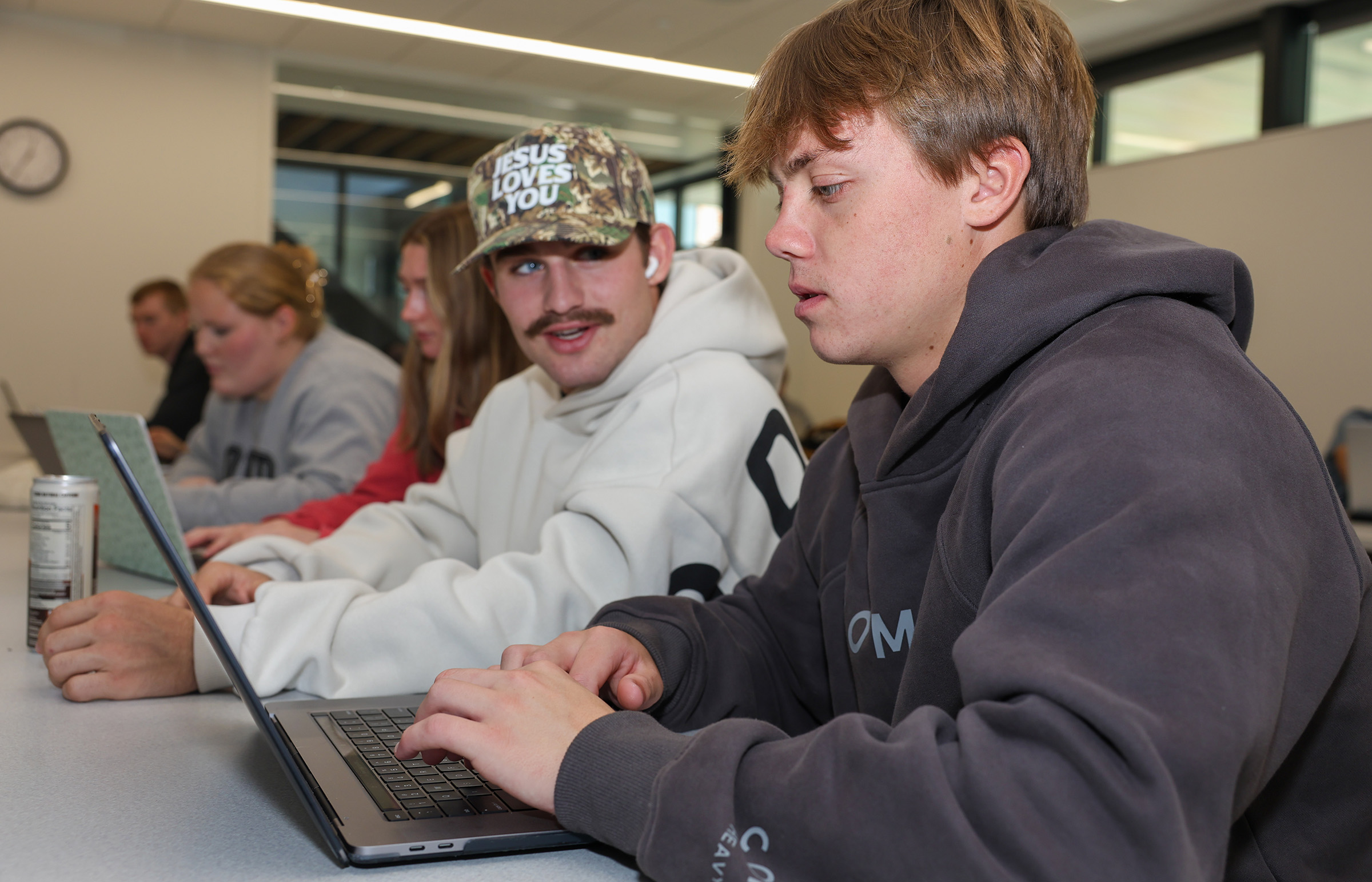
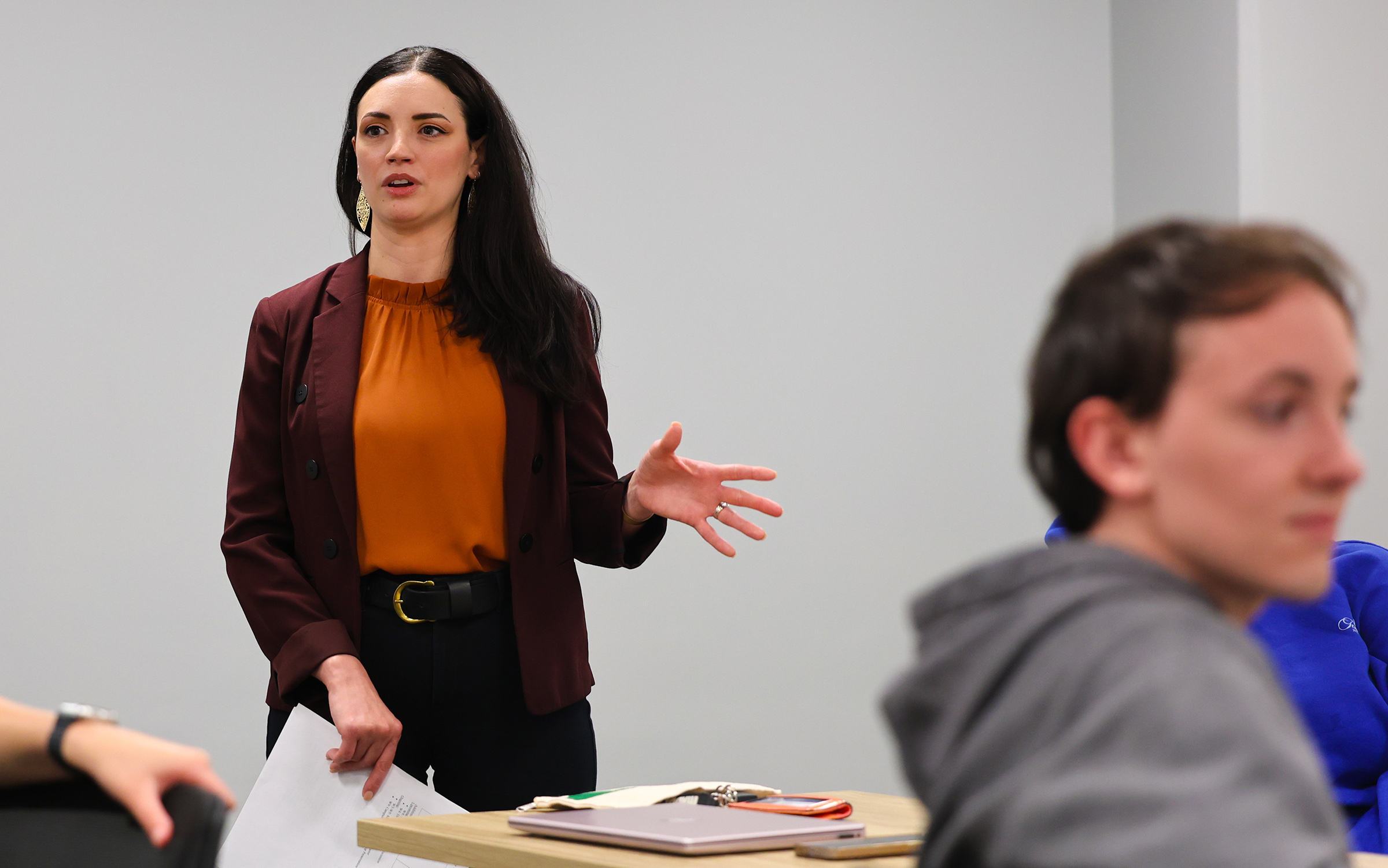
Academic advising specialist Angela Mercer and associate communication professor Tiffani Luethke are guiding students through what it means to form healthy relationships during college – both in-person and online.
Their course focuses on three main areas – interpersonal relationships, workplace relationships and how relationships are portrayed in the media – while exploring specific topics such as leadership, boundary-setting, toxic relationship patterns and the impact of social media. Every class session begins with an activity designed to promote interaction and collaboration among the students.
“We know it’s important for freshmen to create those connections,” Mercer said. “If they’re able to interact and build relationships in classes like ours, we’re more likely to retain them as students and they’ll be more successful.”
Mercer teaches the college-readiness component of the course – “leveling the playing field so all students have the skills they need to be successful” – and Luethke leads discussions on communication and relationships.
“We point back to each other as much as we can,” Luethke said. “Students start to see how their personal life, academic life and professional goals are connected.”
Before this semester, Luethke and Mercer had never met – a surprise to most considering how well they work together.
“I’ve really enjoyed getting to know Dr. Luethke, and it’s nice for me to not have the pressure of creating everything and teaching both days,” Mercer said. “I’ve enjoyed getting to know the students, too.”
Luethke agrees. At first, she wasn’t sure what co-teaching would look like in practice. Then, it clicked.
“It’s been wonderful. It’s really nice to have another person in the room to bounce ideas off of,” she said. “There’s a high level of comfort and trust that I think we’ve built in this class. Students feel really comfortable coming in and talking to us, and that makes me really, really happy. That’s what we were hoping to accomplish.”
Preparing for the Future
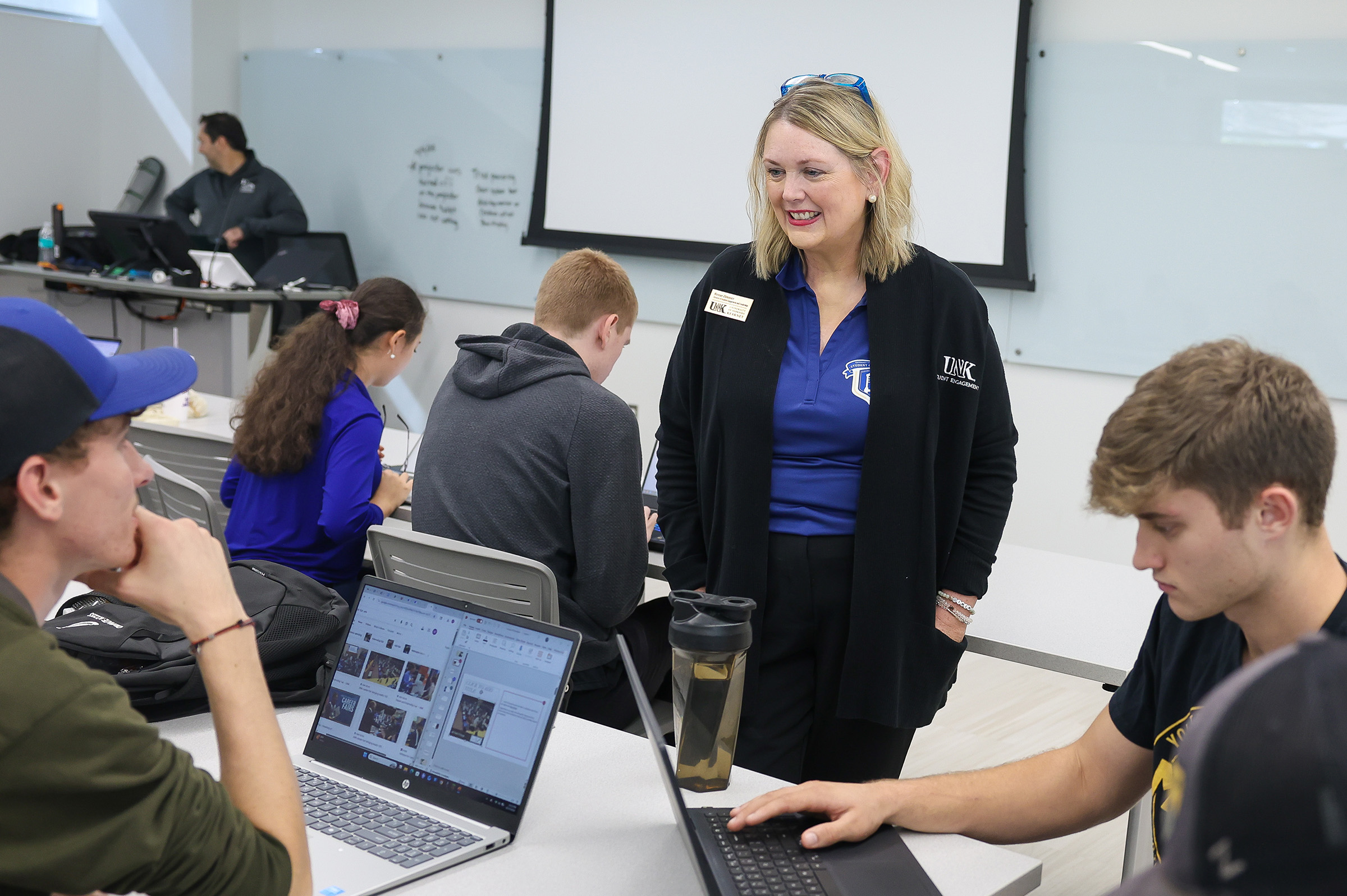
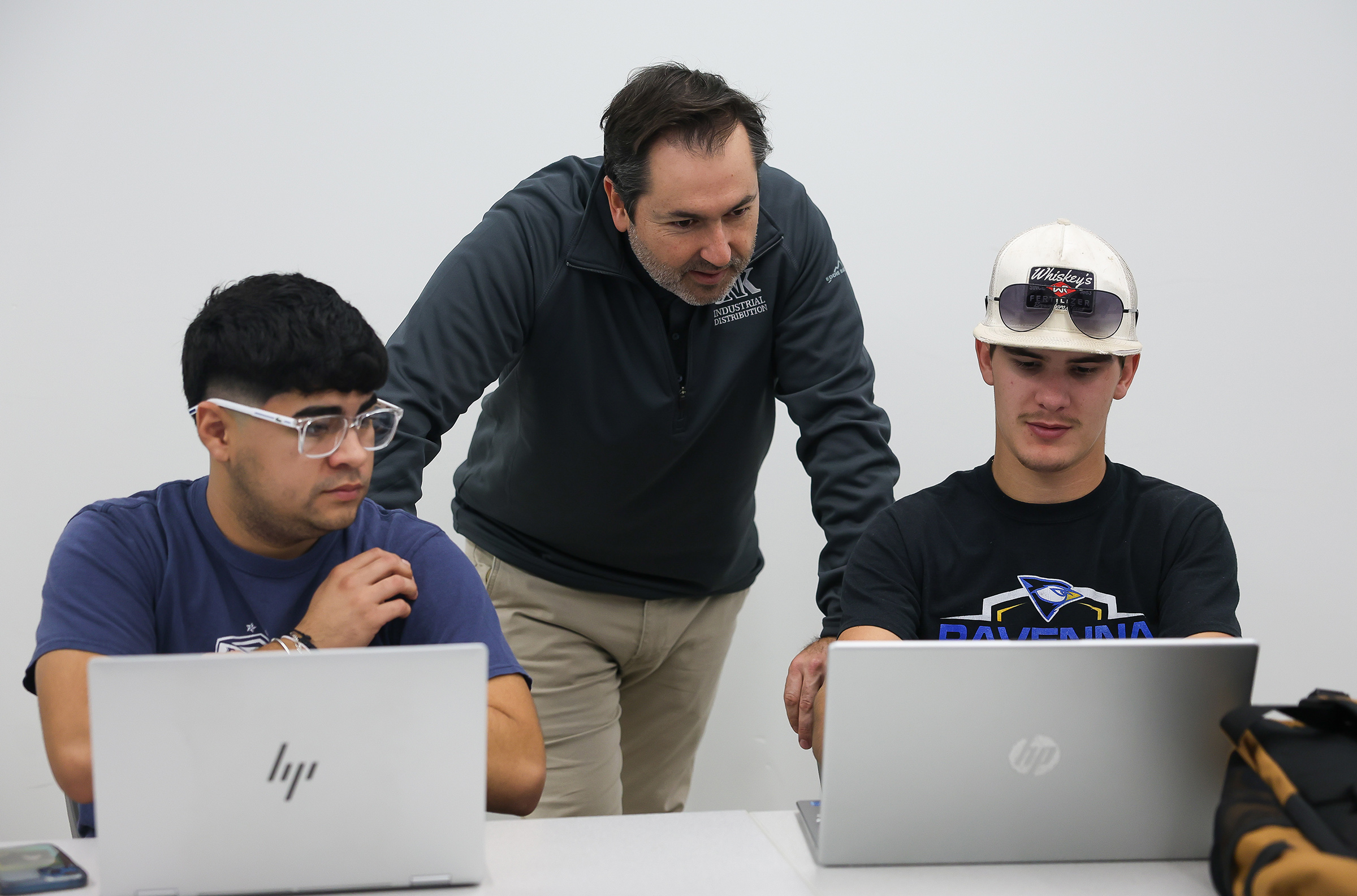
Across campus, Student Engagement and Leadership Director Renae Zimmer and industrial distribution lecturer Alejandro Cahis are also working together for the first time this semester.
They co-teach a course designed to help first-year students begin building their professional identities. The class focuses on things like social media and personal branding, networking and relationship-building and email etiquette and professional communication, along with planning, time management, teamwork and other university skills.
For Cahis, the new LOPER 101 format fills a gap he saw firsthand in upper-level courses.
“When I was getting students in my classes – sophomore, junior, senior level – they were showing up and lacking organizational skills and not really knowing what resources were available to them,” he said. “I remember thinking, ‘I wish there was a class where we could teach this earlier.’ So, this is a great opportunity. We are giving students all the tools they need to not only be successful here at UNK, but long afterward.”
Zimmer sees the same challenge when first-year students arrive on campus.
“They come from a high school schedule where they’re in class from 8 to 4, and suddenly they have all this free time in the middle of the day,” she said. “We help them learn how to build a master calendar, how to plan downtime, how to balance things in a healthy way.”
The instructors also recognize that most students are used to meeting people and communicating online, so they placed an emphasis on in-person relationship-building. Students are encouraged to attend campus events – everything from the homecoming football game to the lip-sync competition to the fall career fair. They then present on the event, reflecting on what they observed, who they interacted with and what it revealed about themselves and campus culture.
“The career fair is a perfect practice environment,” Cahis said. “Pretty soon they’ll be talking to those same employers about internships and full-time jobs. The more they practice now, the easier it becomes.”
Despite the professional focus, the course has a relaxed and approachable atmosphere.
“It’s a pretty laid-back class,” Zimmer said, smiling. “We’re not trying to pretend we know everything. We’re giving them real guidance and small things that have worked for us in the professional world.”
“They spend enough time in lectures already,” Cahis added. “We want them to stay engaged, and the best way to do that is by making the class more fun and interactive.”
Both instructors have industry and sales experience, which they say helps them translate advice into real-world context rather than abstract concepts.
“It’s easy for us to relate to each other because we’re not strictly academic people,” Cahis said. “That makes it easier to show students how these skills matter after graduation.”
The impact is obvious.
“At the beginning of the semester, nobody really talked,” Cahis said. “Now, they’re all talking to each other and getting to know each other. That’s how you start creating those connections and those relationships. And that’s how you create your professional future.”
Awarding More Degrees
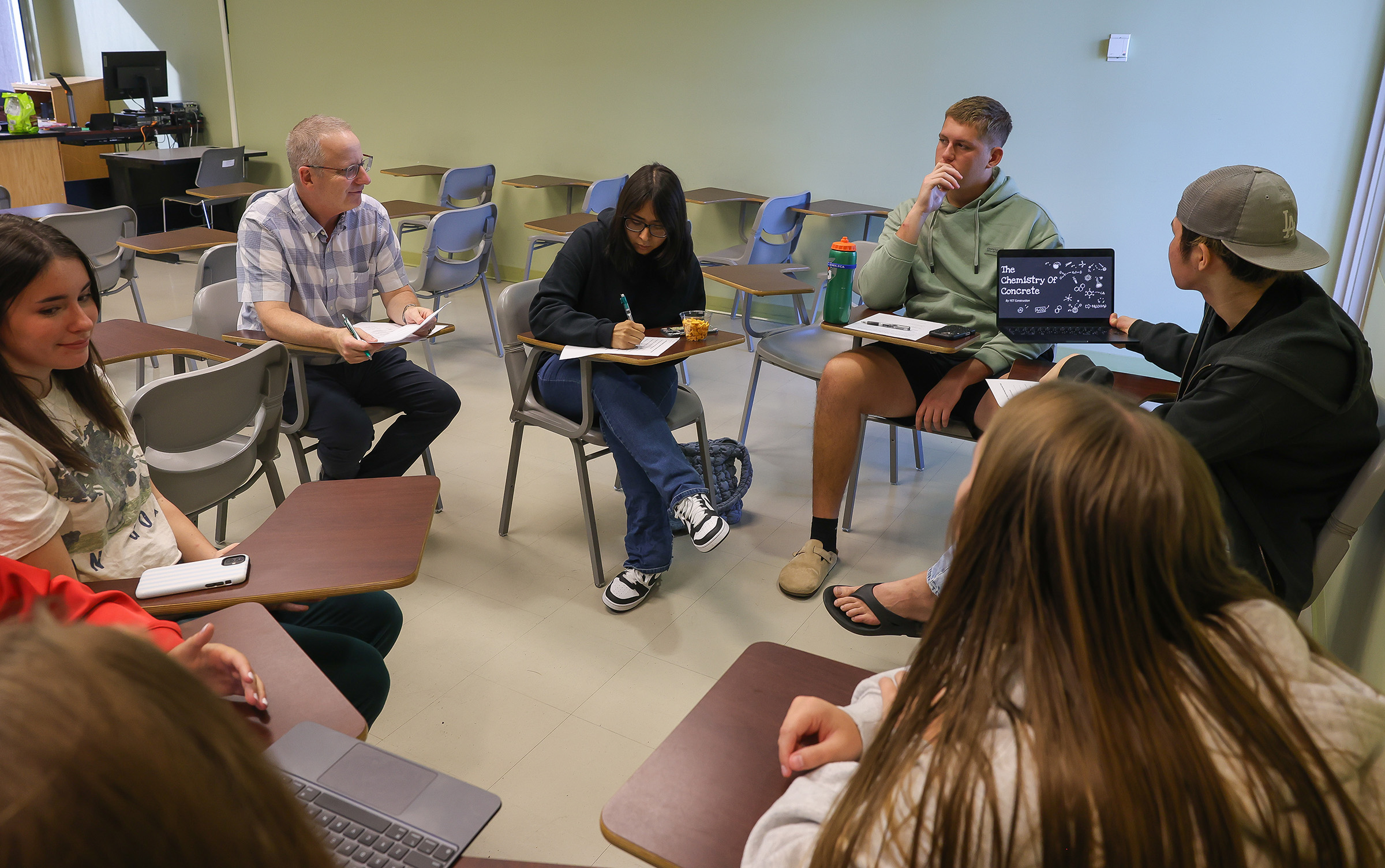
In addition to overseeing the general education program, Exstrom co-teaches a course with his wife Suzanne, a senior academic advising specialist. Their class introduces chemistry concepts through real-world applications – from fireworks and hair dye to nuclear power plants and nanoscience in health care.
Students select topics they’re interested in and complete mini-investigations, building presentation and research skills while gaining confidence in an academic setting.
“It’s a low-pressure way to explore a subject while learning how to navigate academic expectations,” Exstrom explained. “The course is designed to be more interactive, with more discussion and group work, so it’s very engaging for students.”
The LOPER 101 redesign follows a national shift in first-year programs, inspired by models like the University of South Carolina’s highly regarded first-year seminar approach. This method has been shown to increase retention and graduation rates by up to 8%, according to Exstrom, largely because it helps students feel connected to their campus community early on.
“What I’d really like to see is students being more confident, more independent and ready to use campus resources as they move into higher-level classes,” Exstrom said. “We want students who start attending UNK as freshmen to complete their degree here.”
PHOTOS BY ERIKA PRITCHARD AND TODD GOTTULA
UNK COMMUNICATIONS