THIS STORY IS FEATURED IN THE 2025 NEW FRONTIERS MAGAZINE
By KIM HACHIYA
For UNK Communications
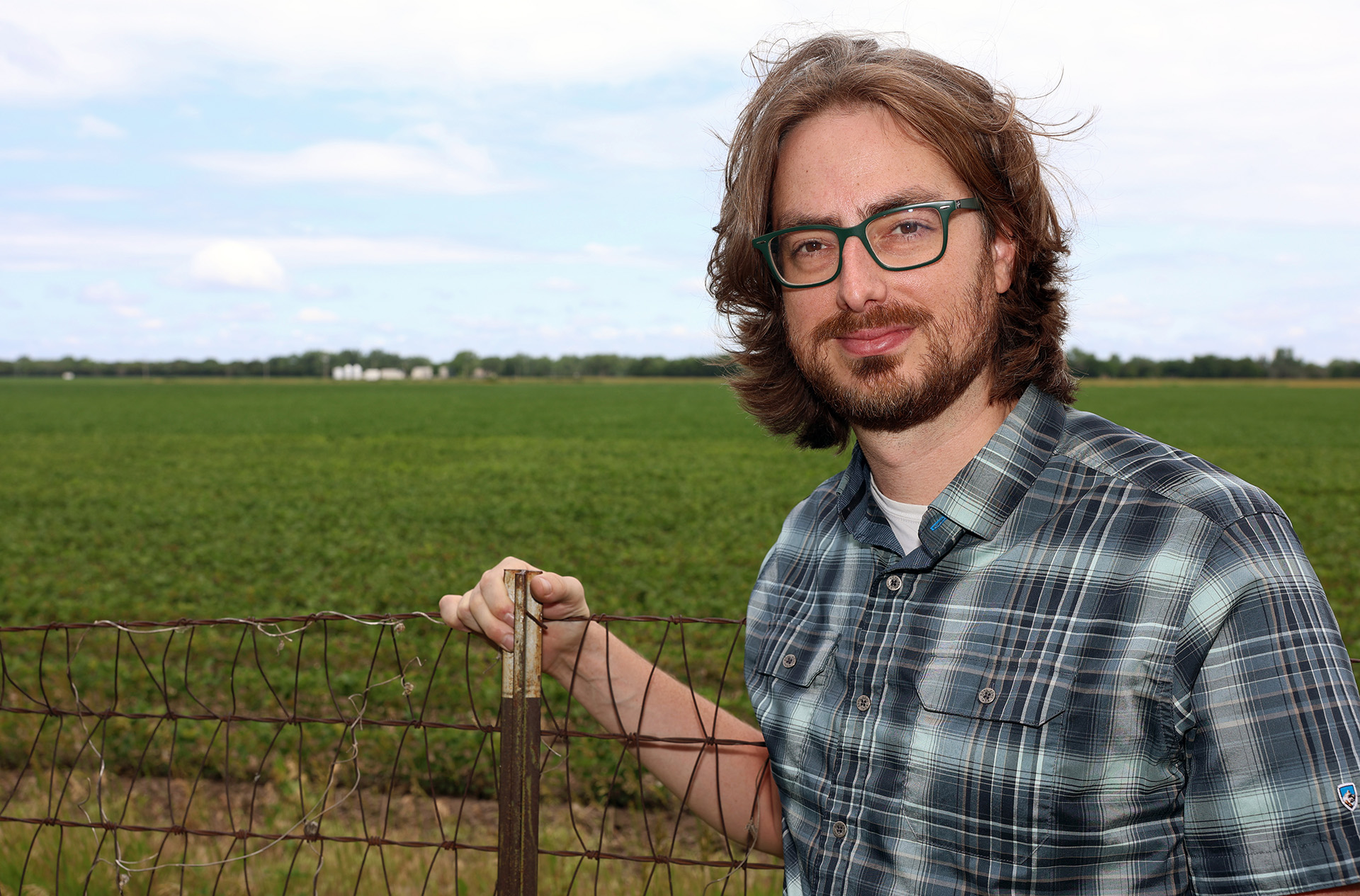
KEARNEY – Will Stoutamire grew up in Florida.
“That one Florida kid who never went to Disney World,” he jokes.
Instead, his parents took him to museums, national parks, historical sites and battlefields, immersing their only child in history and the arts.
At Florida State University, he tried to enroll as “undecided,” but with a surplus of advanced placement credits, he was told he had to pick a major to fill out his schedule. Sitting in the football stadium during new student enrollment, he chose history – figuring he could always change it later.
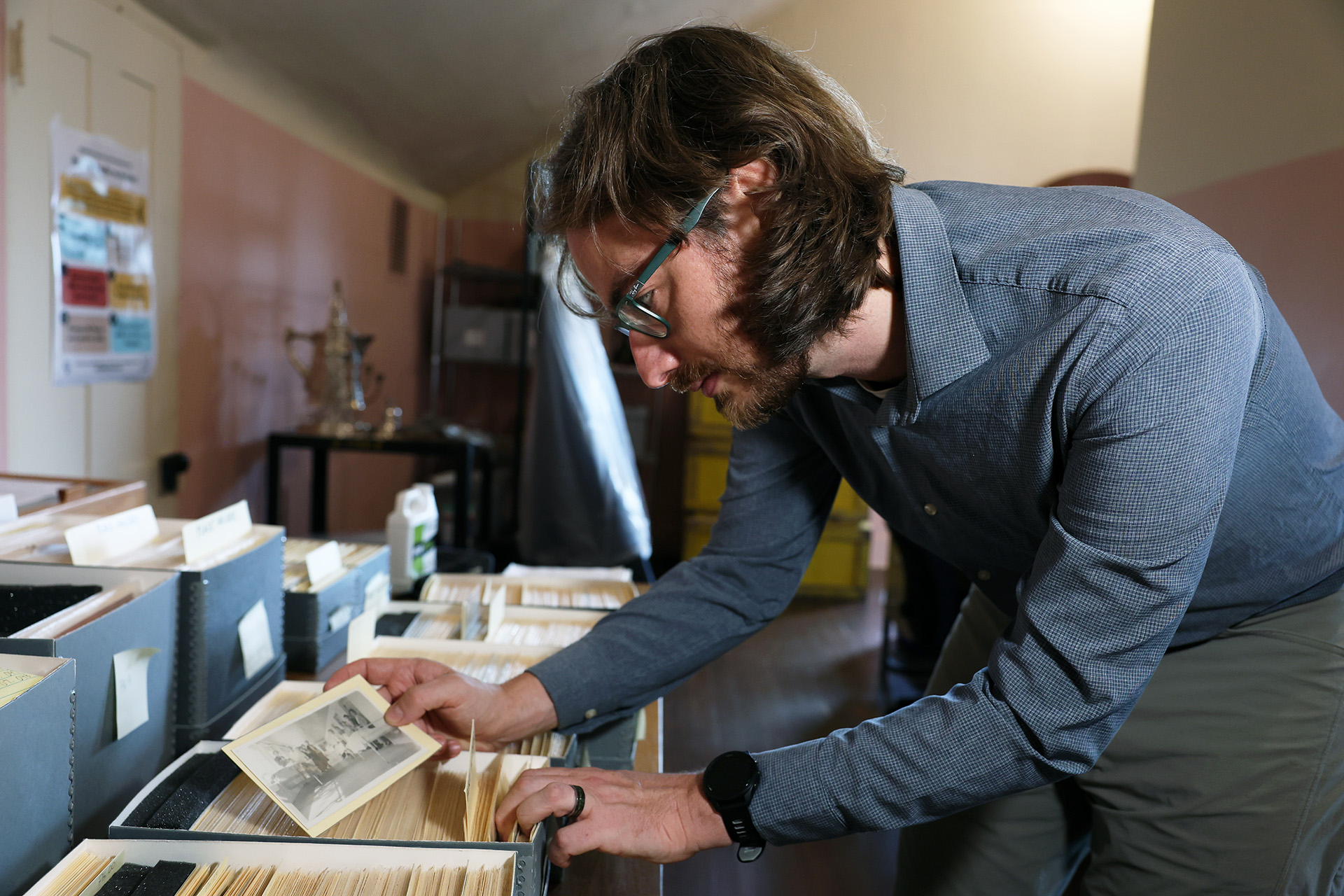
Then he met William Olsen, director of FSU’s Institute on World War II and the Human Experience. Olsen, sensing a fellow history “geek,” offered him a volunteer role in the archives. Stoutamire was hooked. Handling original letters, diaries and photographs felt meaningful, even if he didn’t love the detail-heavy archival work itself.
He preferred the stories. The connections to people. The relevance to today.
A public historian was born.
PUBLIC HISTORY IN ACTION
“Public history is history applied,” says Stoutamire, an associate professor of history at the University of Nebraska at Kearney. “It’s history with a purpose outside of the classroom.”
While grounded in the same scholarly research as academic history, public history differs in its methods, audiences and goals. Public historians engage directly with the public – people who visit museums, watch Ken Burns documentaries or read biographies, even if they never open an academic journal.
UNK’s master’s program in public history, launched in 2023 and directed by Stoutamire, is one of the few offered entirely online. The program has quickly grown to about 35 students – many already working in the field, such as museum directors or local historians, seeking academic credentials to strengthen their expertise and credibility.
Career paths in public history include museum professionals, archivists, curators, film and media producers, preservation officers, policy advisers and historians for agencies like the National Park Service.
The goal, Stoutamire says, is to make history relevant and useful in everyday life. He’s passionate about keeping the field accessible, noting that the online format allows students with full-time jobs or family obligations to advance their education.
He admits the irony in being a public historian embedded in an academic department. But to him, academic and public history aren’t separate – they’re overlapping circles. Public historians often work across broader topic areas and are less likely to spend decades on a single niche.
“Our research projects vary far more,” he explains, “because the topics are often determined by those we are collaborating with. The idea of studying the same topic for 30 years sounded really boring. We often don’t see our immediate past as historic – but it is.”
That sense of curiosity defines Stoutamire’s work. He’s energized by the idea that history is being made every day – and that there will always be new stories to tell.
Is he worried about the discipline’s future? A little. But he believes its value goes far beyond memorizing facts and trivia.
Instead of serving as human encyclopedias, he believes their true value lies in encouraging critical thinking and helping others engage thoughtfully with the past.
“Can we look at conflicting evidence and analyze for bias? That’s thinking. We need to get people to engage – to challenge the message. History isn’t just names and dates. It’s wrestling with complex ideas.”
WHAT FARMERS CAN TEACH US
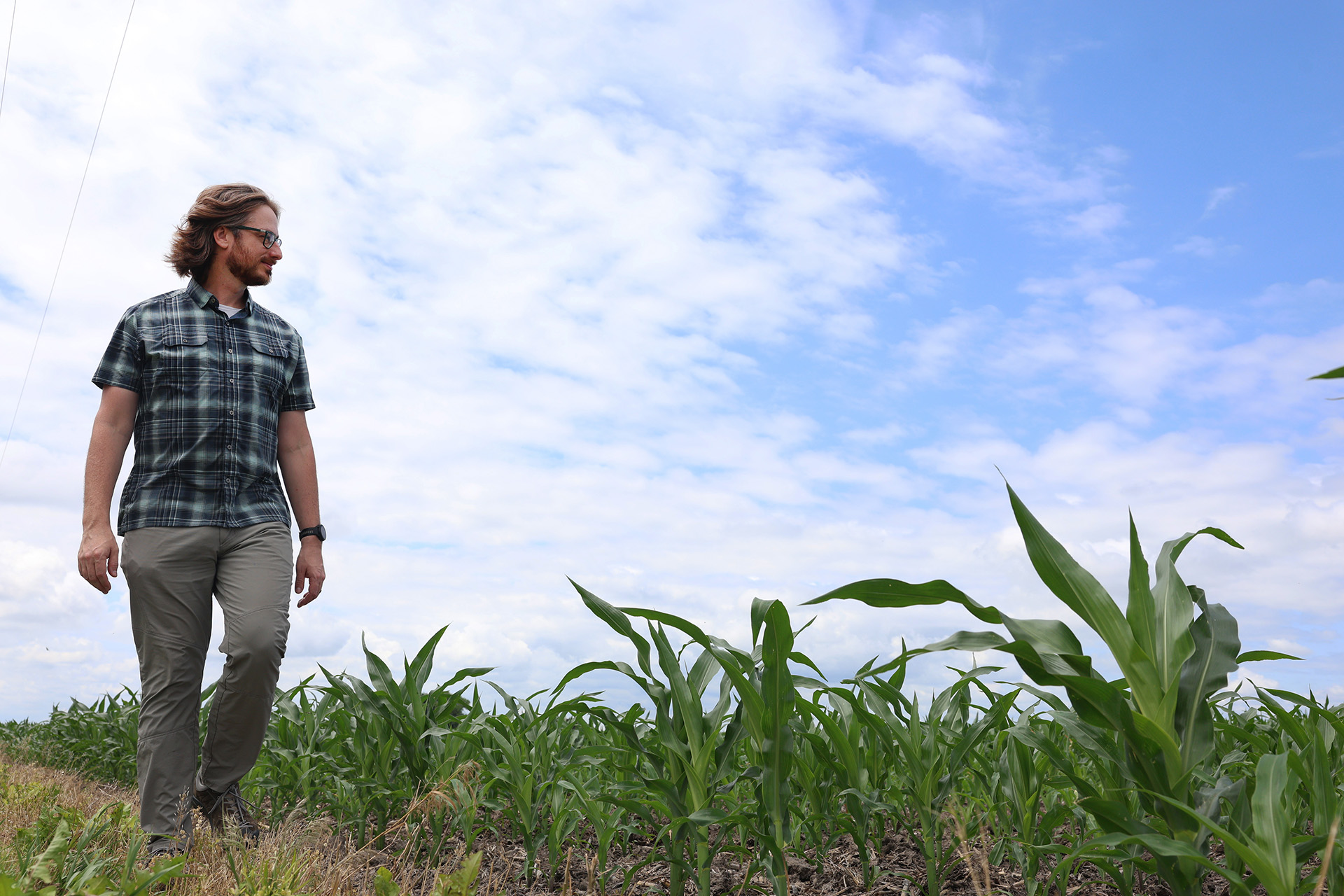
That same curiosity and passion for relevance drives Stoutamire’s current work – gathering oral histories from Nebraska farmers and ranchers to understand how they’ve endured and adapted over generations.
Storytelling, one of humanity’s oldest forms of communication, remains central to that effort – preserving knowledge, history and culture, connecting generations, and revealing how people overcome hardships and celebrate success.
Stoutamire is completing what he hopes will be the first in a series of oral history projects with long-time Nebraska farmers and ranchers. His goal: capture how families survived Nebraska’s climate and economic challenges and passed down that resilience.
Stoutamire directs UNK’s graduate and undergraduate public history programs. He and LuAnn Wandsnider, along with graduate students, interviewed members of 19 families in Lincoln, Custer, Burt and Deuel counties. The project was supported by a $50,602 Nebraska Research Collaborative Initiative grant from the University of Nebraska System. Wandsnider, an anthropologist and associate director of UNL’s School of Integrative Studies, served as principal investigator.
Their research focused on understanding the strategies families use to remain in farming and ranching, how knowledge is retained and passed down, and how others can learn from these experiences. Stoutamire’s background in oral history provided a framework for capturing these stories – often handed down with remarkable accuracy.
The project, titled “Northern Great Plains Rural Producer Oral Histories and Local Ecological Knowledge,” received the seed grant in 2024, which supports cross-campus projects aimed at attracting external funding.
The grant funded audio and video equipment, travel, website development and student involvement. The team also navigated institutional review board requirements at both universities to ensure participant privacy and consent.
Trust was essential. The team worked with historical society directors in Custer and Lincoln counties to identify families with 100-plus years of land ties. These local partners helped connect researchers to participants. Stoutamire described the work as “shared authority,” emphasizing that everyone brings expertise to their own story, and that collaborative research honors that.
Once participants agreed to take part, families decided who would be interviewed.
“Oftentimes we spoke with the oldest family member. In other instances, we spoke with a father/son or grandfather/grandson – often the younger person is doing most of the work on the property today, but the older generation holds the family’s historical knowledge,” Stoutamire said.
WHO’S TELLING THE STORY
Most interviewees were men, though some women participated. The initial sample included primarily German and Swedish heritage families. Stoutamire acknowledged that future phases should include a more diverse cross section, including Indigenous participants and people of color.
Conversations followed a flexible script that allowed for open-ended discussion. Interviewers aimed to listen, not interrupt, and let “uncomfortable pauses” lead to deeper reflections. Jumping in too soon can mean a lost opportunity, Stoutamire said.
Participants discussed their family’s land history, property changes, definitions of good and bad years, responses to environmental and climate issues, and the role of community support or public policy.
“LuAnn approached me about this project. Her interest was in conducting oral histories to help identify patterns of generational knowledge about farming and ranching practices. We wanted to understand how producers have responded to environmental and financial challenges. We are aiming to identify what factors made these multigenerational producers successful when so many others have ‘failed,’” he said.
Wandsnider noted that other researchers have found cultural differences among farming families. German and Volga German families, for example, often focus on long-term sustainability, while others might chase short-term commodity gains, sometimes leading to failure.
The researchers focused on hearing directly from producers – what had worked, what hadn’t, and what they learned through lived experience, Stoutamire said.
While the data is still being analyzed, some themes have already emerged.
Many recalled the historic 1948-49 blizzard, which had especially devastating effects for ranchers when millions of cattle died. When asked about drought, one participant remarked, “Well, every drought ends in a rainstorm.” More recently, many ranchers are adopting regenerative practices – prioritizing healthy grasslands as the foundation for healthy cattle. “One of our participants told us ranching is grass farming,” Stoutamire said. “If the grass is healthy, the cattle are healthy.”
Another common thread was the reliance on off-farm jobs to provide stable income and health insurance – often with a spouse working “in town,” such as at a school or co-op.
A consistent value among participants was fiscal conservatism.
“The good years carry you through a bad year,” Stoutamire said. “When prices are good, some go out and buy a fancy truck or vacation, but folks said it’s wiser to maintain an equilibrium. In good years, you pay your taxes. Bad years mean you take that (federal) subsidy because you paid into it.”
Wandsnider observed that many participants were also involved in formal leadership roles in their communities. Success, she noted, was never credited to a single factor.
“Rather, people have talked about being very lucky, about taking advantage of higher education, about being part of vibrant communities, and sometimes about being very stingy,” she said.
Once the histories are fully transcribed, the team will analyze the responses for trends and commonalities. Wandsnider sees the next step as inviting families to reflect on – and challenge – the emerging narratives.
“Perhaps it’s not just the answers that need refining – but the questions themselves,” she said. She hopes to expand the project to include others across the Great Plains, including those who have left farming, to understand why.
A website, www.nebraskaproducers.com, using a platform called Omeka will curate the histories with photographs, artifacts and other materials. The eventual goal is for it to be housed at UNL’s Center for Digital Research in the Humanities.
BREATHING NEW LIFE INTO A LANDMARK
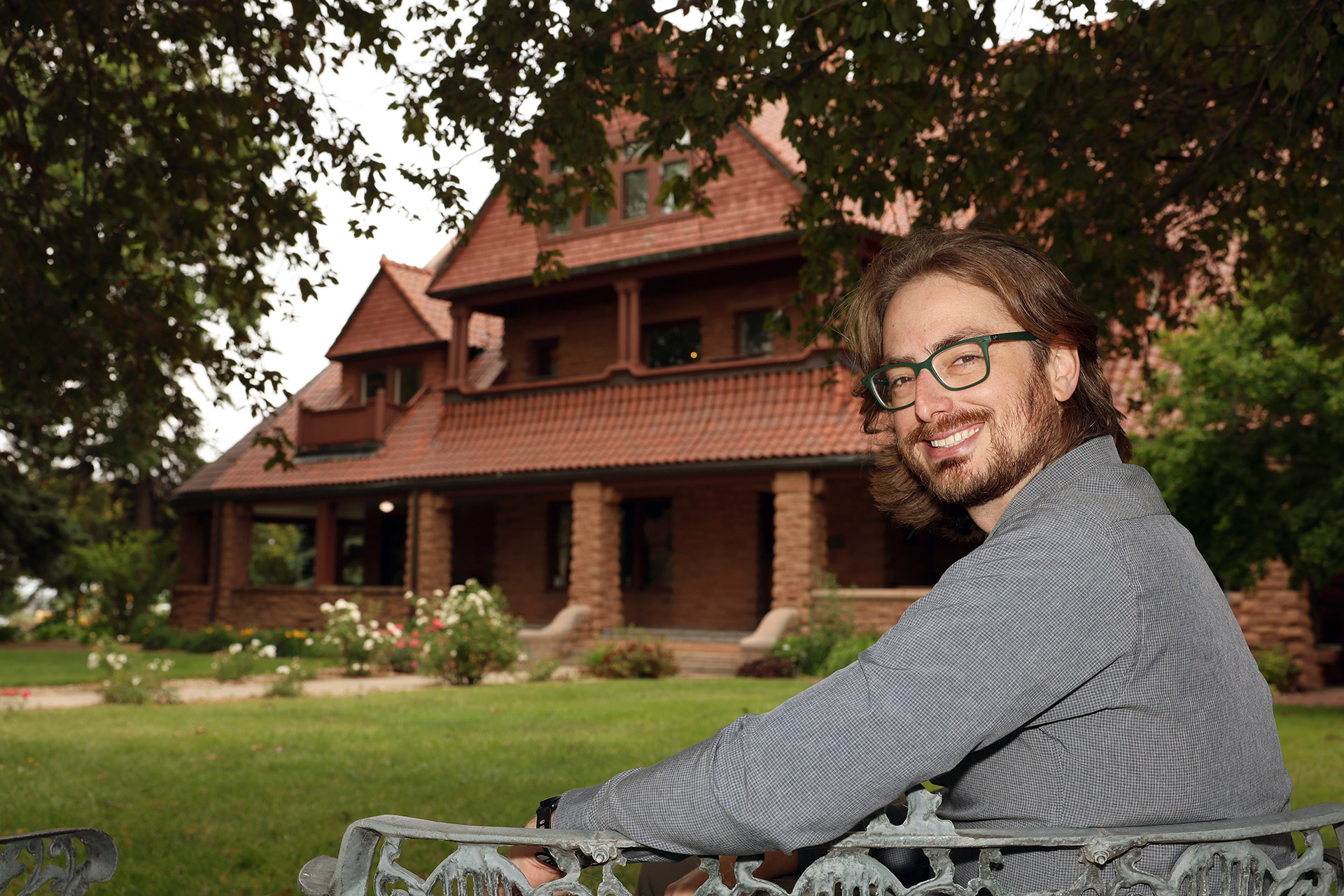
Stoutamire joined UNK in 2014 as the first full-time professional director of the G.W. Frank House Museum, an 1880s mansion on the west edge of campus.
Like many “house museums,” it was rooted in its early decades and the Gilded Age lives of original owners G.W. and Phoebe Frank – but was rarely visited and largely overlooked the site’s later history as Nebraska’s first tuberculosis hospital.
Stoutamire and his team took a new approach, expanding the focus beyond the Franks. Although there were few original artifacts from the family or the hospital era, that absence was itself revealing. He began searching for items tied to the workers in the Franks’ factories and the tuberculosis patients once housed there. The museum board also carefully deaccessioned objects that weren’t relevant to the home’s actual past – generic “period pieces” – and began seeking materials more directly related to its broader story.
That broader lens explored Nebraska’s treatment of tuberculosis, how care was funded by the state, and how families of patients were accommodated. One meaningful discovery was the story of Eliza Galloway, one of Kearney’s first Black residents, and a 1928 oral history interview with her conducted by a Kearney High School student.
By the time the rebranding effort ended in 2018, the newly named G.W. Frank Museum of History and Culture had redefined its mission – telling fuller, more inclusive stories about Kearney’s past. Though listed on the National Register of Historic Places in 1973 for its connection to the Franks, the house now reflects a deeper, more layered history.
Stoutamire was recognized for this work with the National Council on Public History’s New Professional Award and the NU Board of Regents Kudos Award in 2016. He joined the UNK history faculty in 2020, following a stint at the University of West Georgia.
PHOTOS BY ERIKA PRITCHARD, UNK COMMUNICATIONS
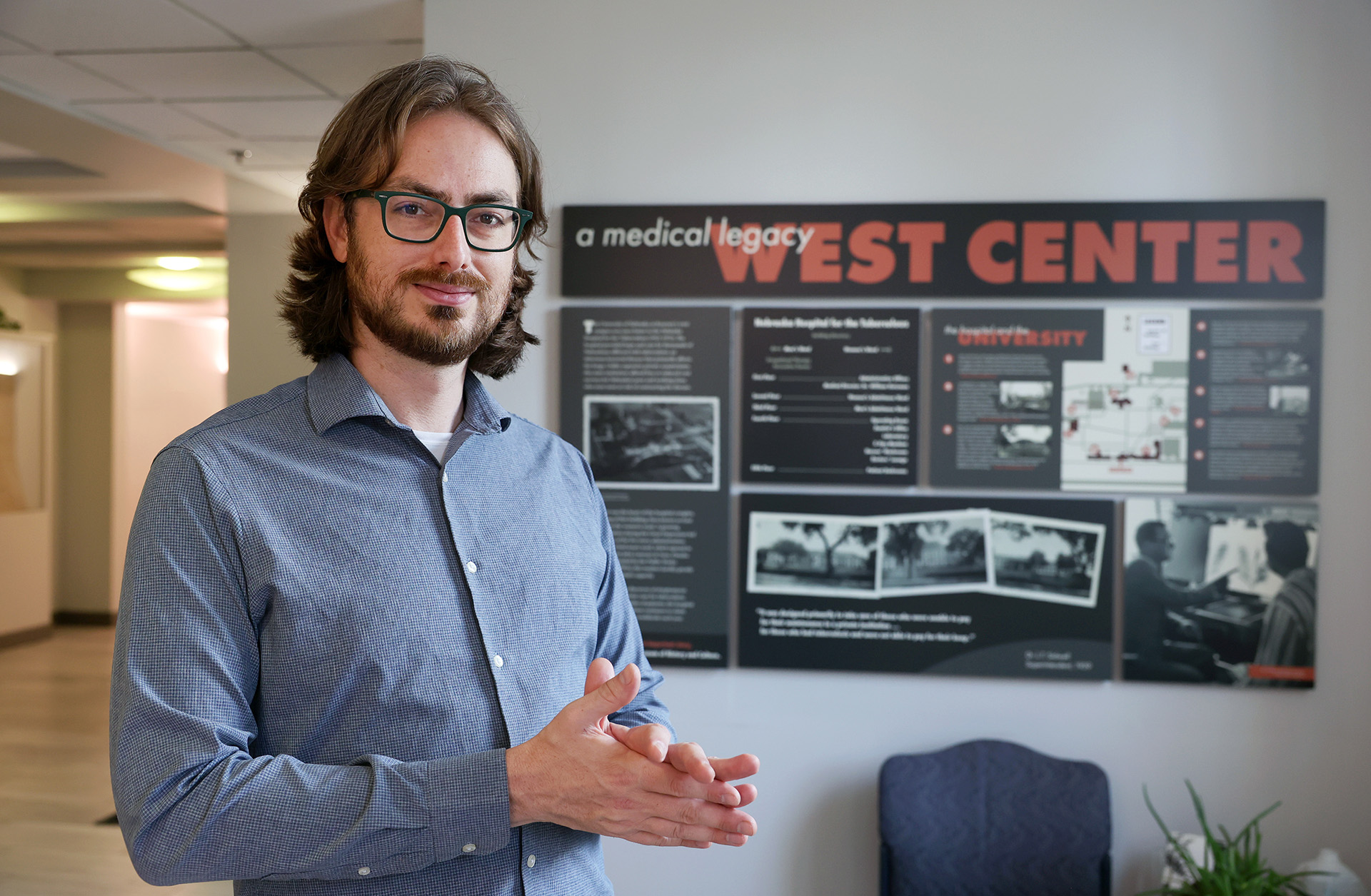
WILL STOUTAMIRE
Title: Associate Professor of History
College: Arts and Sciences
Education: Bachelor of Arts in history, Florida State University, 2008; Ph.D. in history, Arizona State University, 2013.
Years at UNK: 10
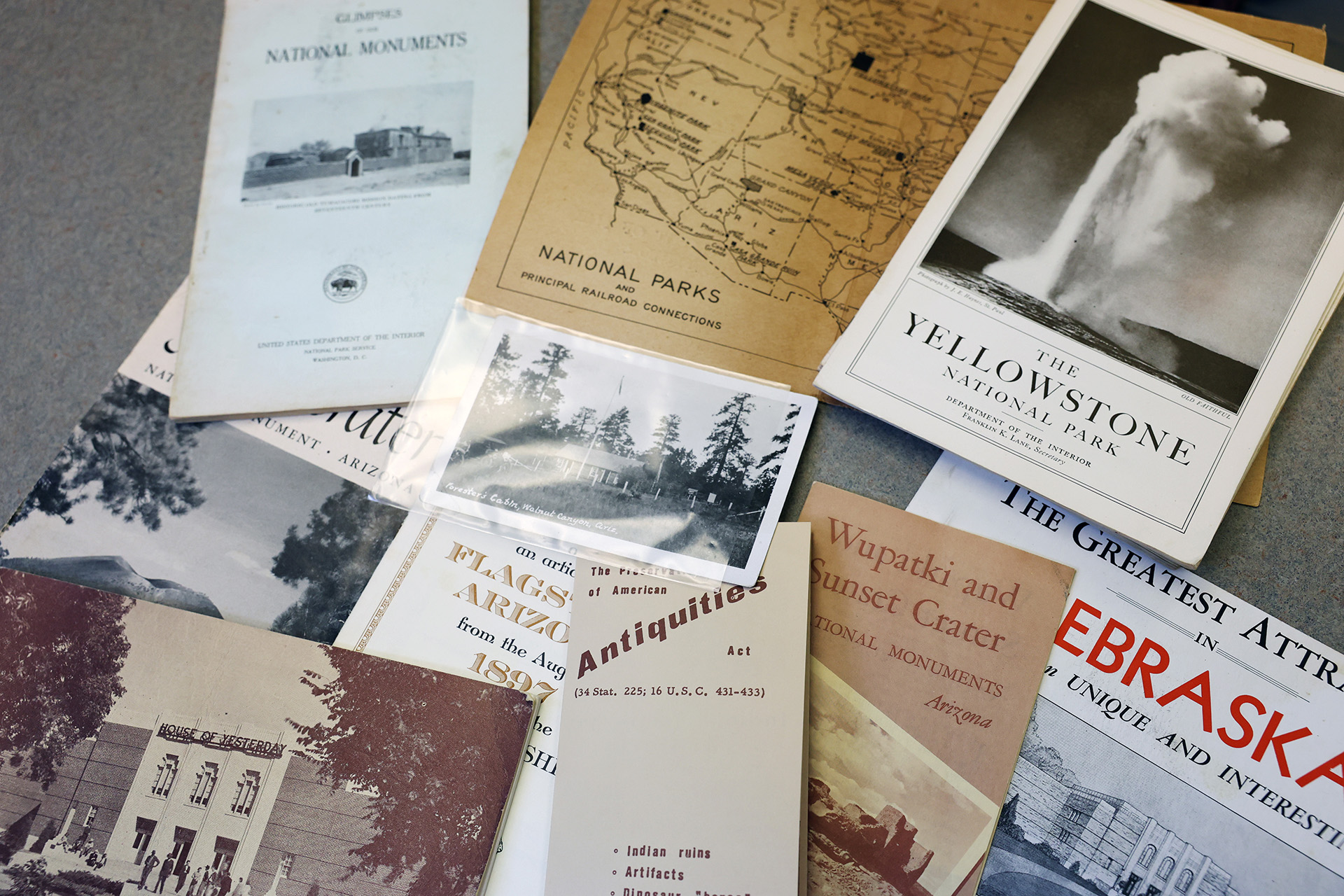
Areas of research/specialization: My research focuses on the history of early museums and preservation activities in the American West, with special emphasis on the role these efforts played in the larger settler colonial project. I focus on the Antiquities Act, a 1906 law that allows for the creation of national monuments, and its implications for museums, archeology and Indigenous communities. As a public historian working in Nebraska, I also have research projects that are more locally oriented. Ongoing local projects include:
- Rewriting the history of Eliza Galloway, one of Kearney’s first Black residents, based on her 1928 oral history, which we recently rediscovered after it had been lost for nearly a century.
- Attempting to reconstruct and interpret Jenner’s Park in Loup City, a popular amusement park and zoo in the early 1900s that featured curiosities imported from around the world (including mummies).
- Documenting the history of the Nebraska State Hospital for the Tuberculosis in Kearney in an attempt to list the property on the National Register of Historic Places.
Courses Taught: U.S. History Since 1865, The Historian’s Craft, Introduction to Public History, Community History and Preservation, Museums and Archives, National Parks, History & Memory, Public History Seminar, Public History Methods, Museums and Material Culture, Historic Preservation.
Recent Published Articles: “Past, Present, and Heritage,” Engaging with the Past and the Present: The Relationship between Past and Present across Disciplines, 2023; “‘Every Yard Boasted a Metate’: Pothunting, Archaeology, and the Creation of the Museum of Northern Arizona,” The Journal of Arizona History 63, No. 2, 2022. (Winner of the C.L. Sonnichsen Award from the Arizona Historical Society in 2023). “Imagined Heritage: A Local History of Walnut Canyon National Monument.” The Public Historian 38, No. 4, 2016.