By TYLER ELLYSON
UNK Communications
KEARNEY – The Nebraska Sandhills have long defined the state’s natural landscape, stretching across nearly 20,000 square miles of grass-covered dunes shaped by resilient native plants and generations of stewardship.
Now, that same prairie character is taking root at the University of Nebraska at Kearney.
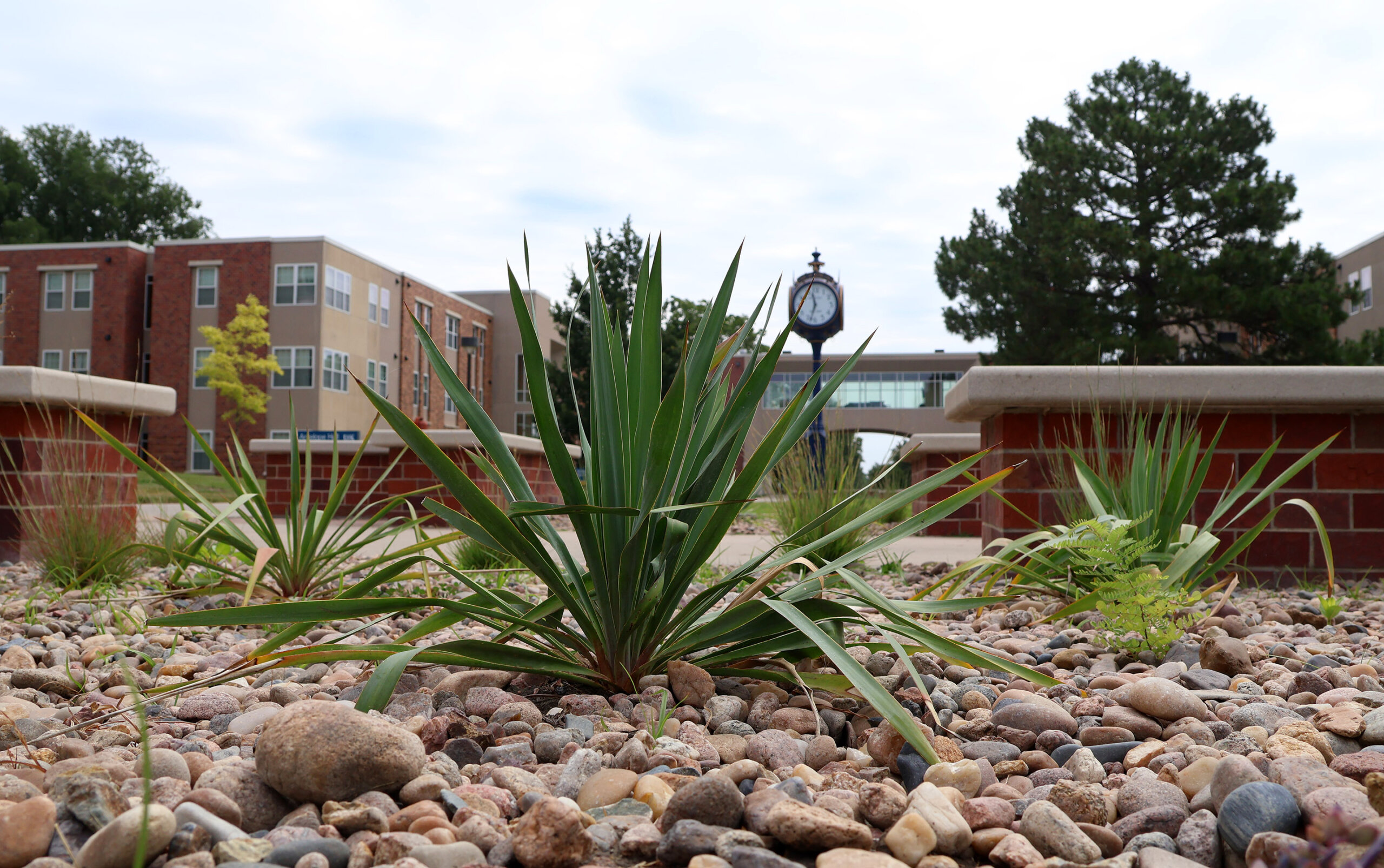
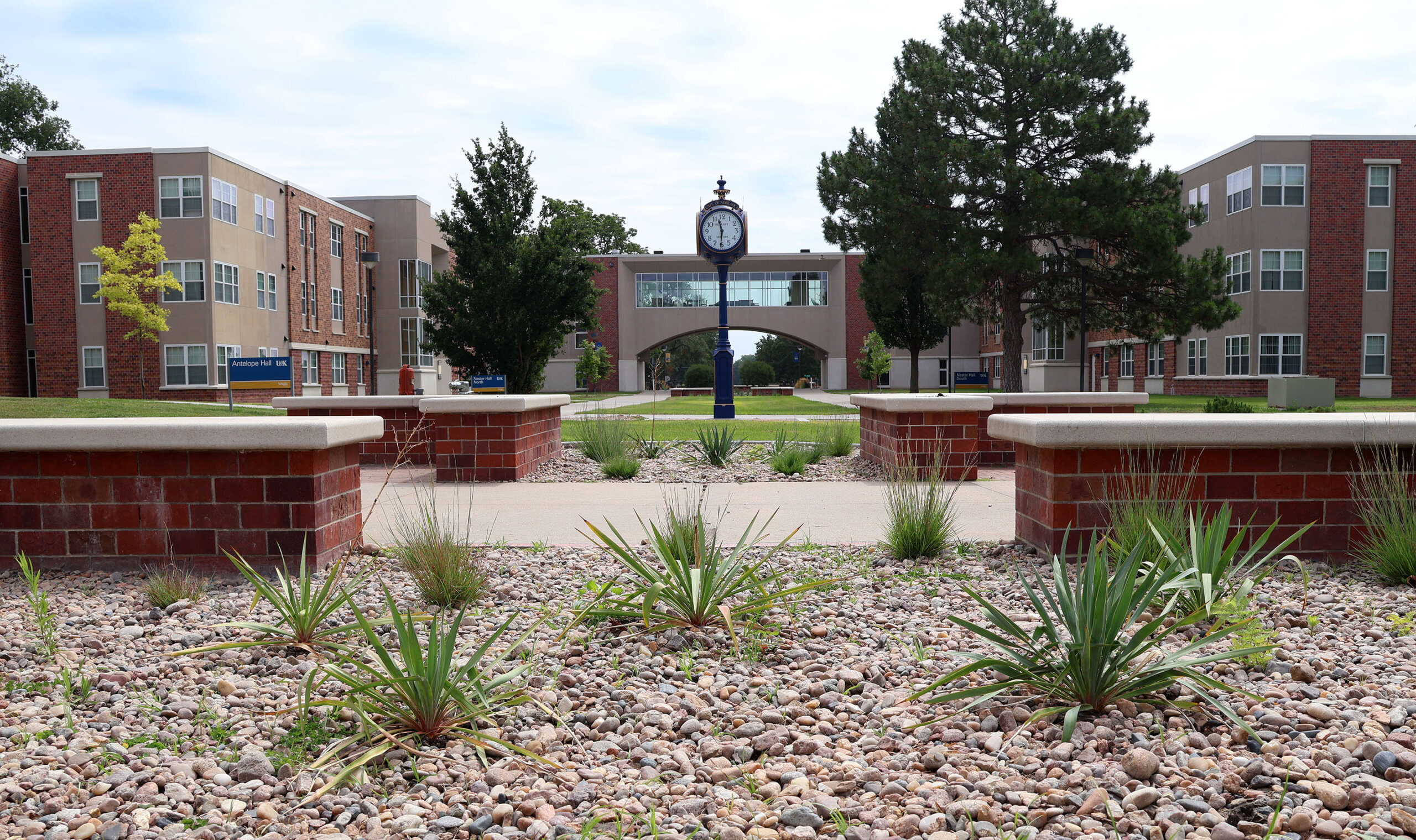
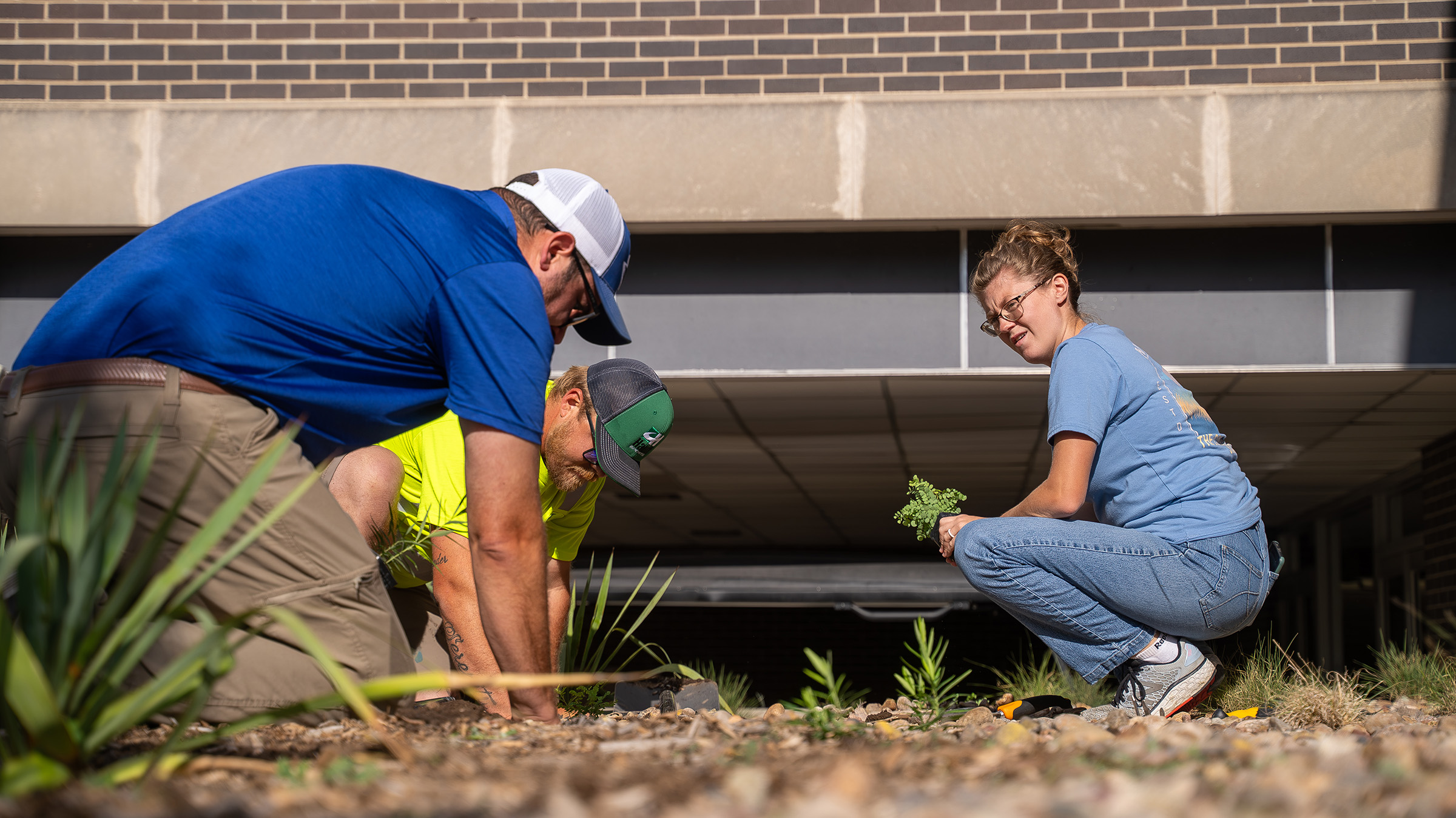
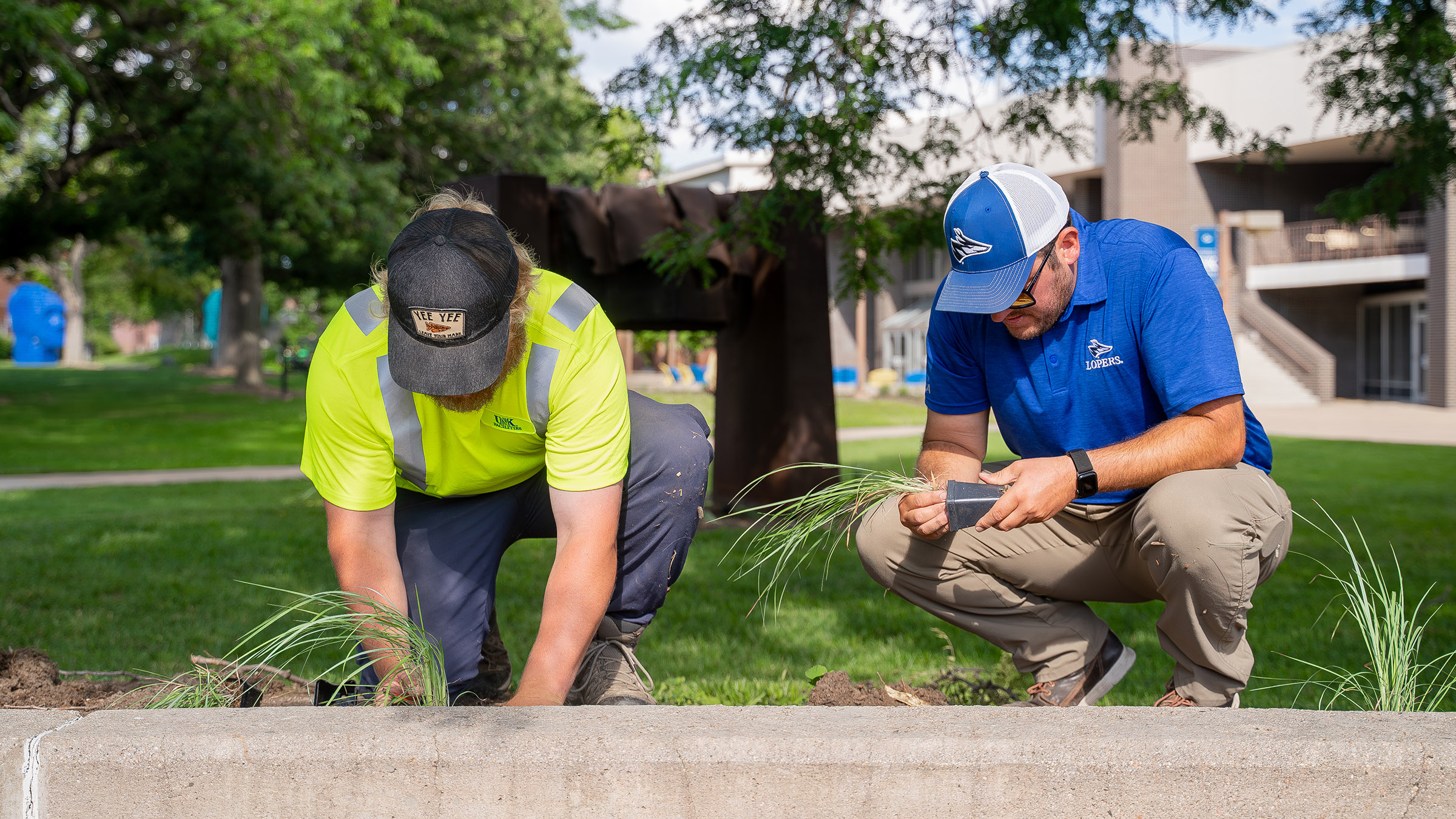
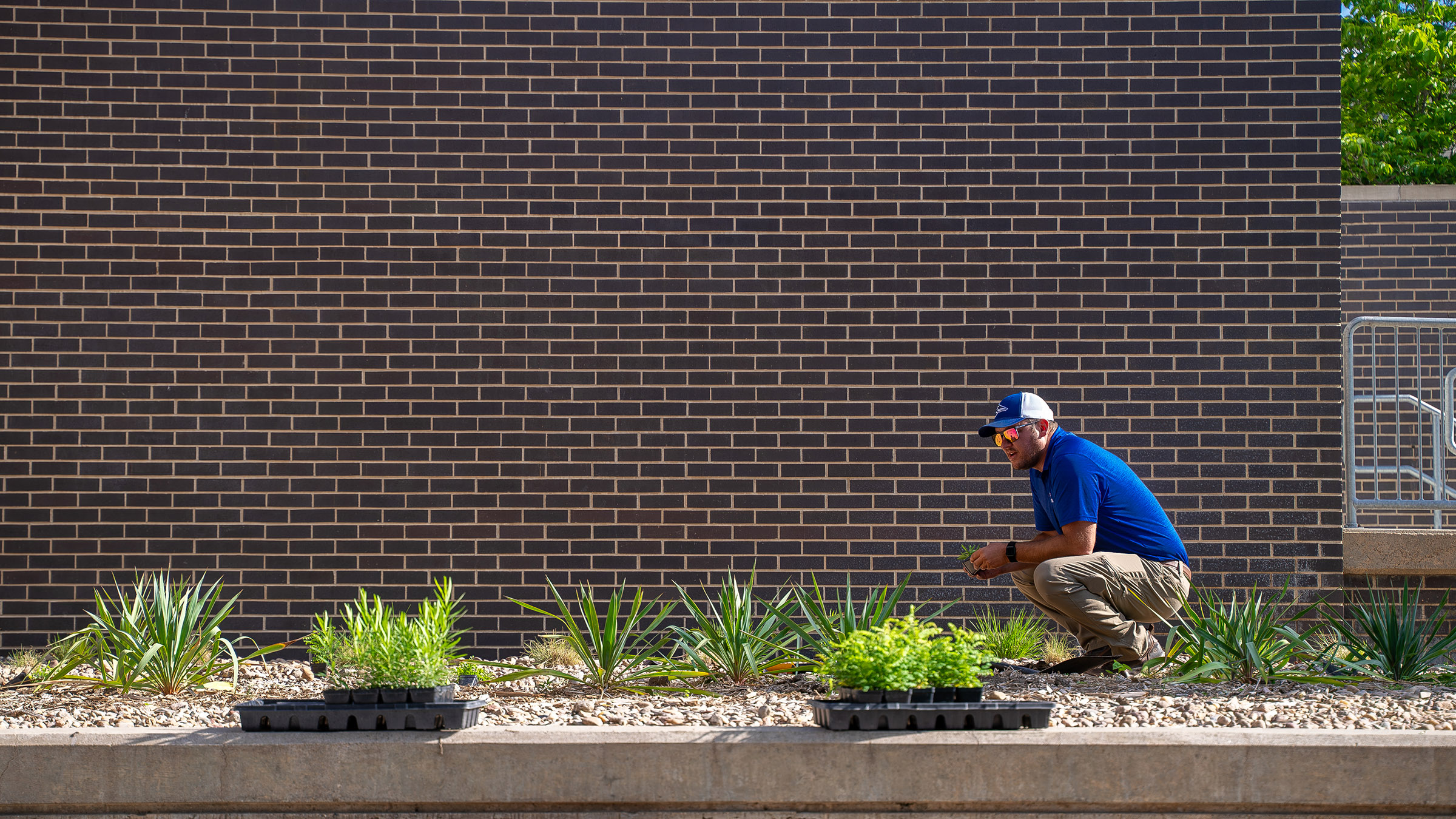
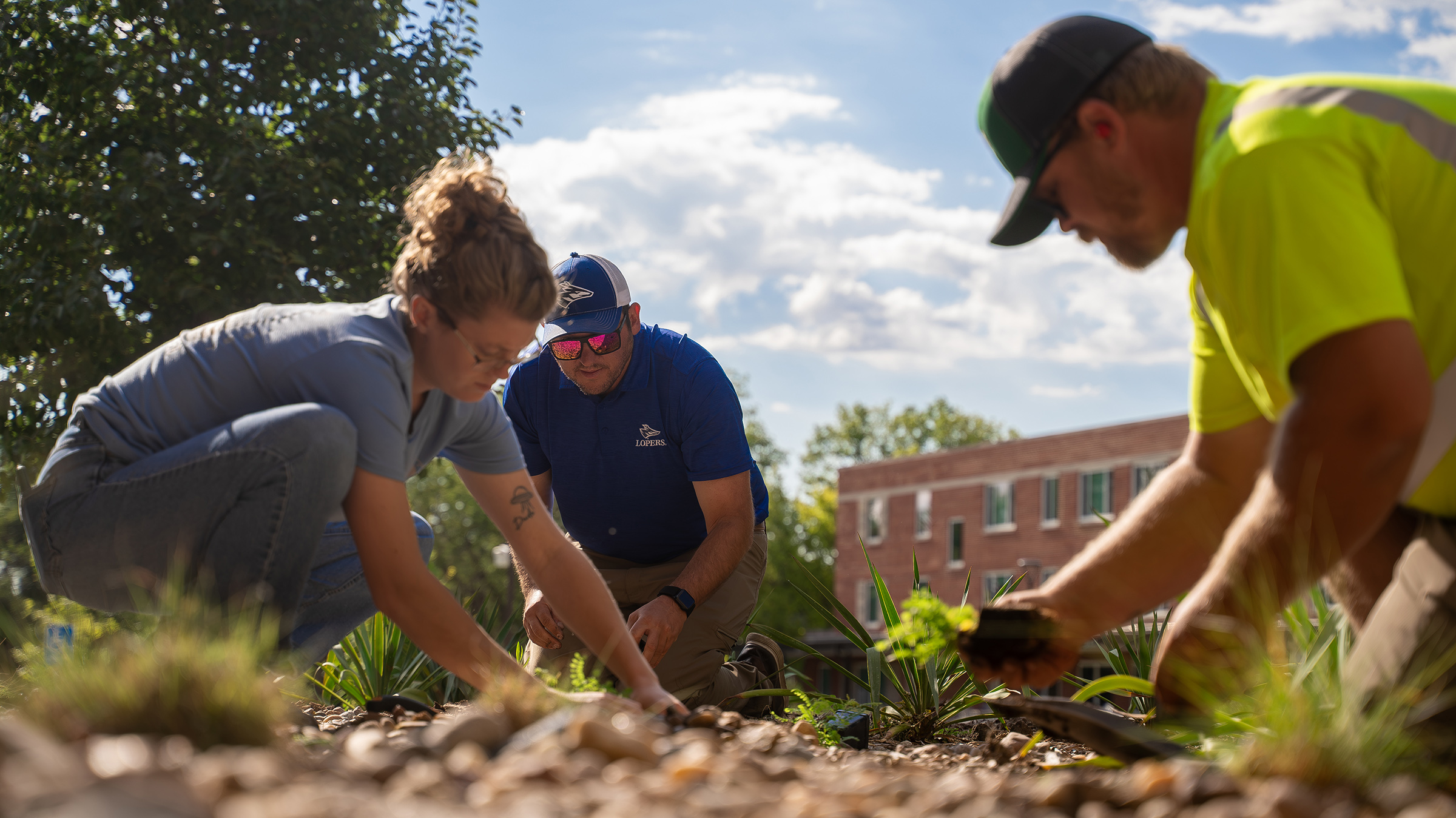
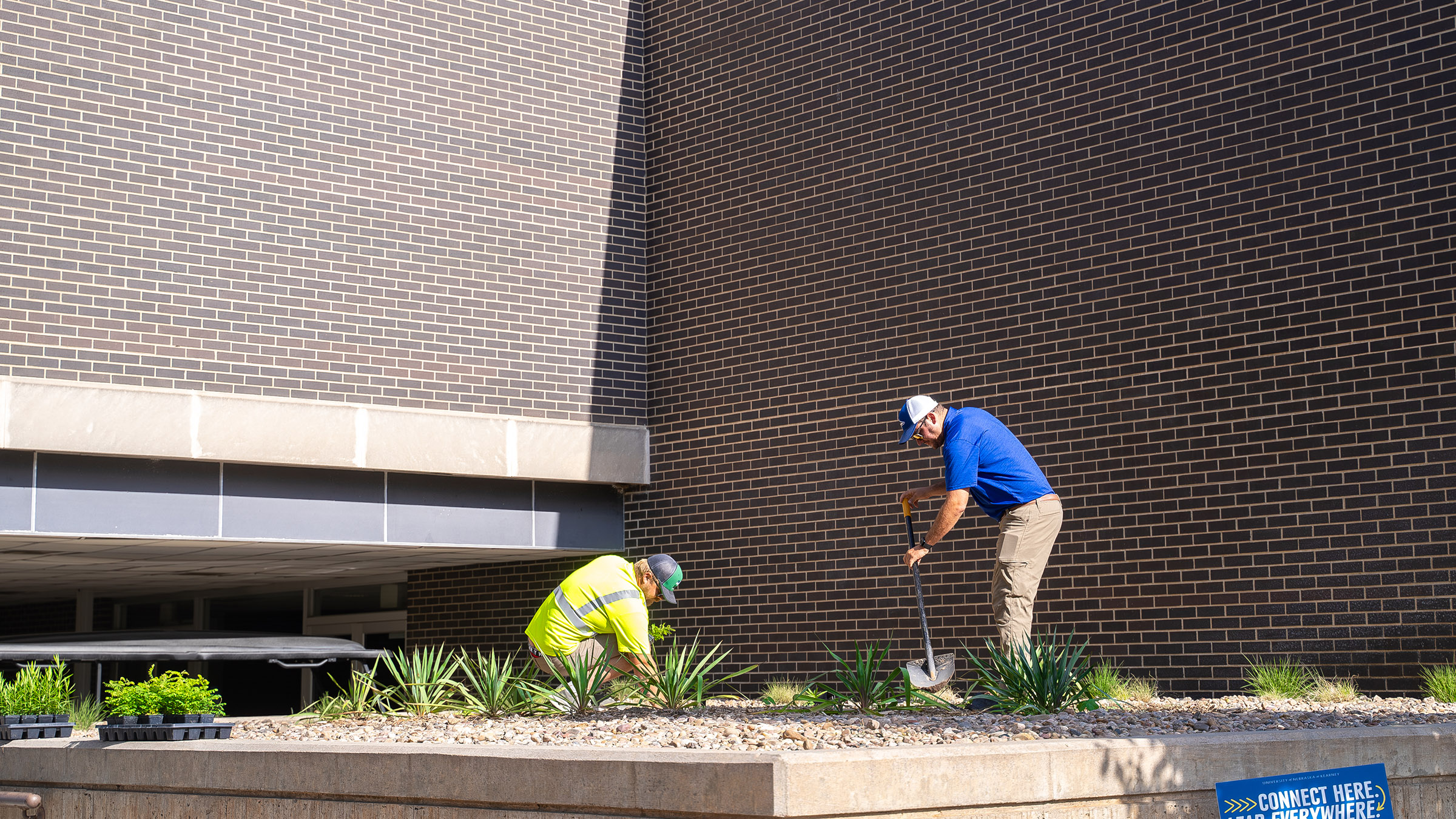
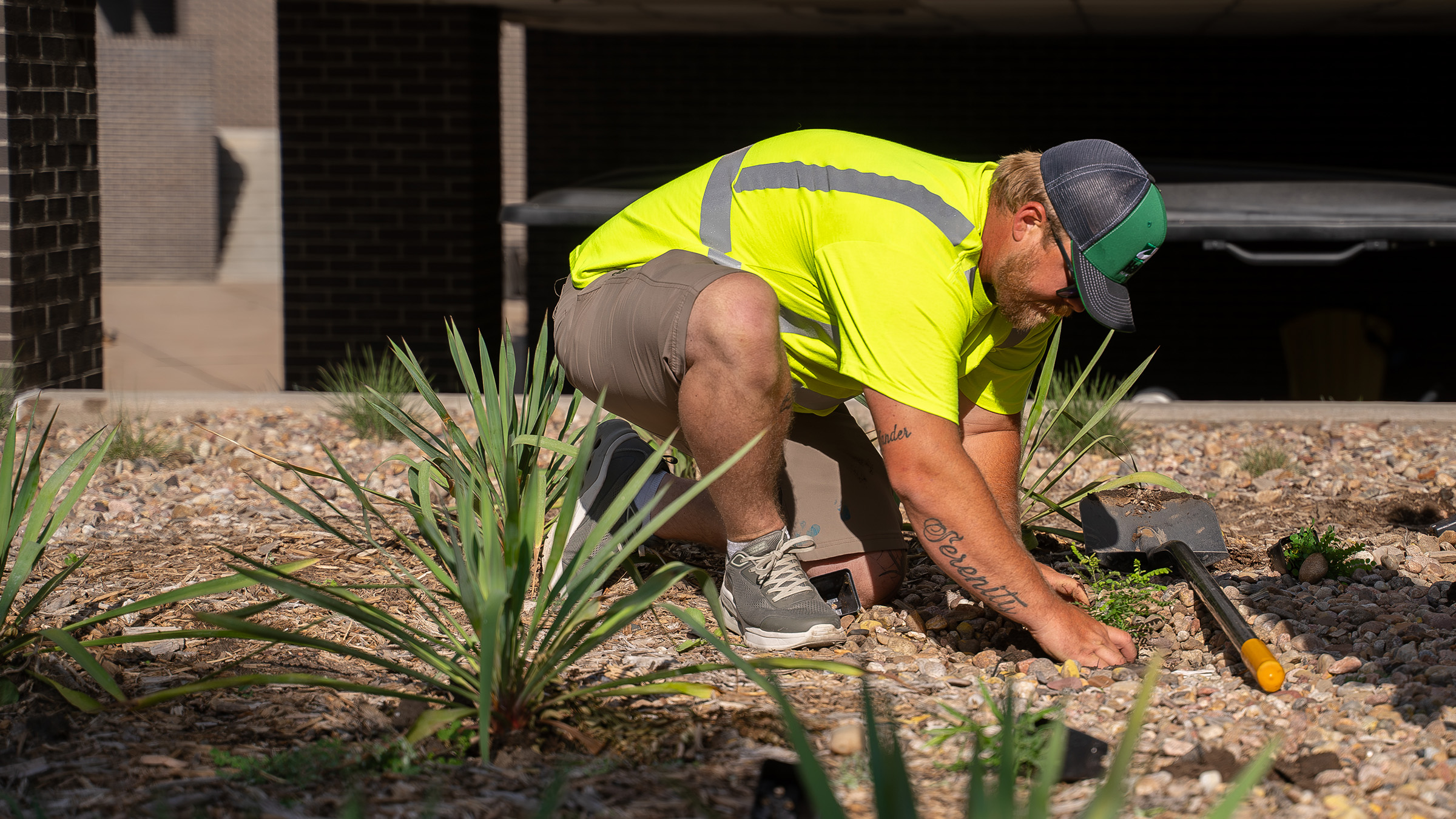
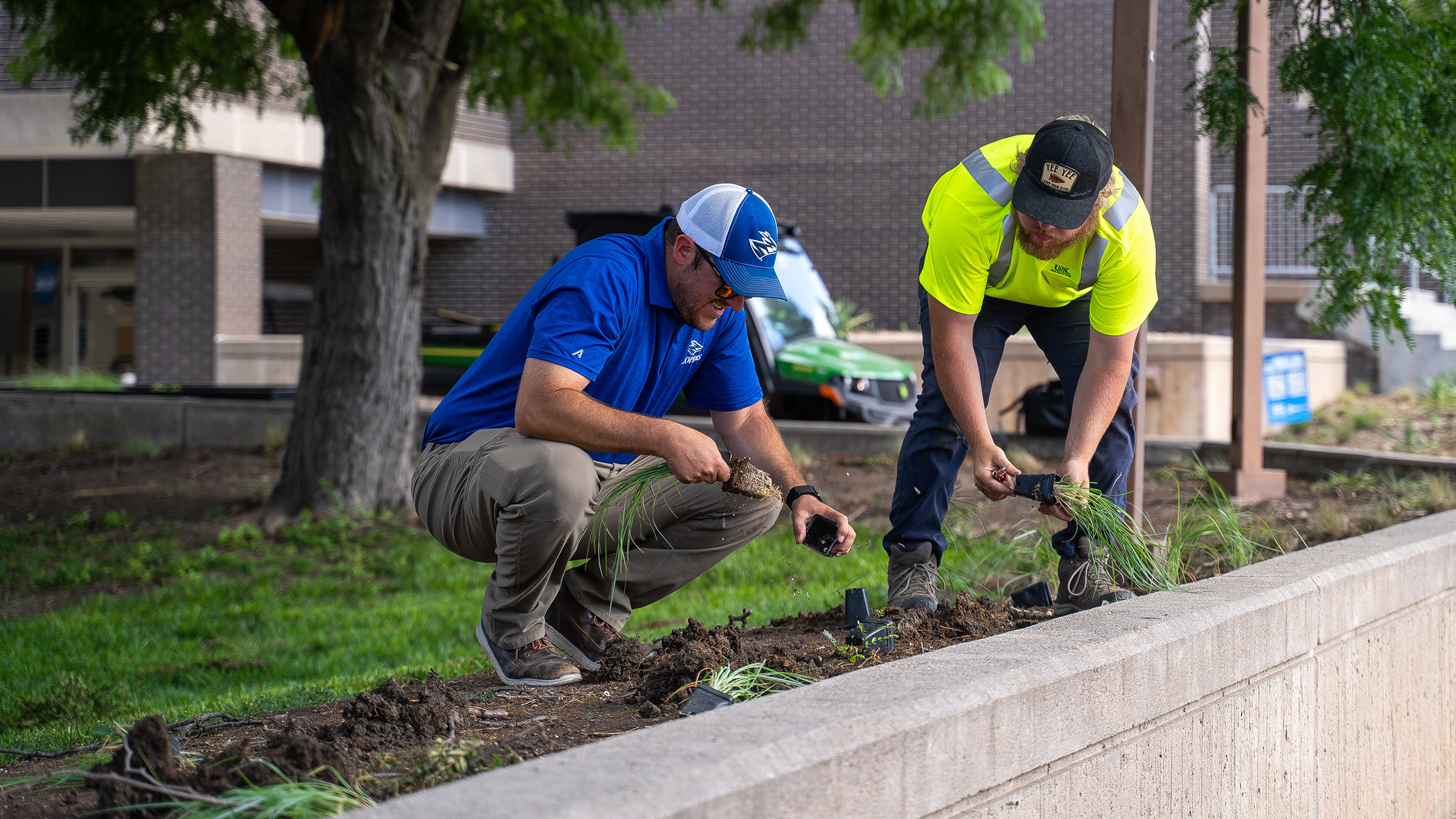
UNK recently launched a landscaping initiative centered on native grasses, wildflowers and trees, creating a recognizable campus identity inspired by Nebraska’s natural heritage while reducing water use, maintenance demands and long-term costs. The transformation will be most noticeable directly north of West Center, where a large area is being converted to native prairie, but similar plantings will gradually expand across campus during the next five to seven years.
“The goal is to have a UNK identity,” said Alex Zabel, grounds manager for UNK Facilities Management and Planning. “We want the landscaping and the feel to be the same throughout campus. This is an identifiable palette that lets people know they’re at UNK.”
Zabel graduated from UNK in 2010, earning a bachelor’s degree in recreation and park management with an emphasis in natural resources. The West Center prairie project was already included in campus plans when he returned to his alma mater in early 2025, but Zabel quickly recognized an opportunity to expand the concept.
Rather than treating the project as a standalone feature, he developed a broader vision that carries the same native aesthetic throughout campus.
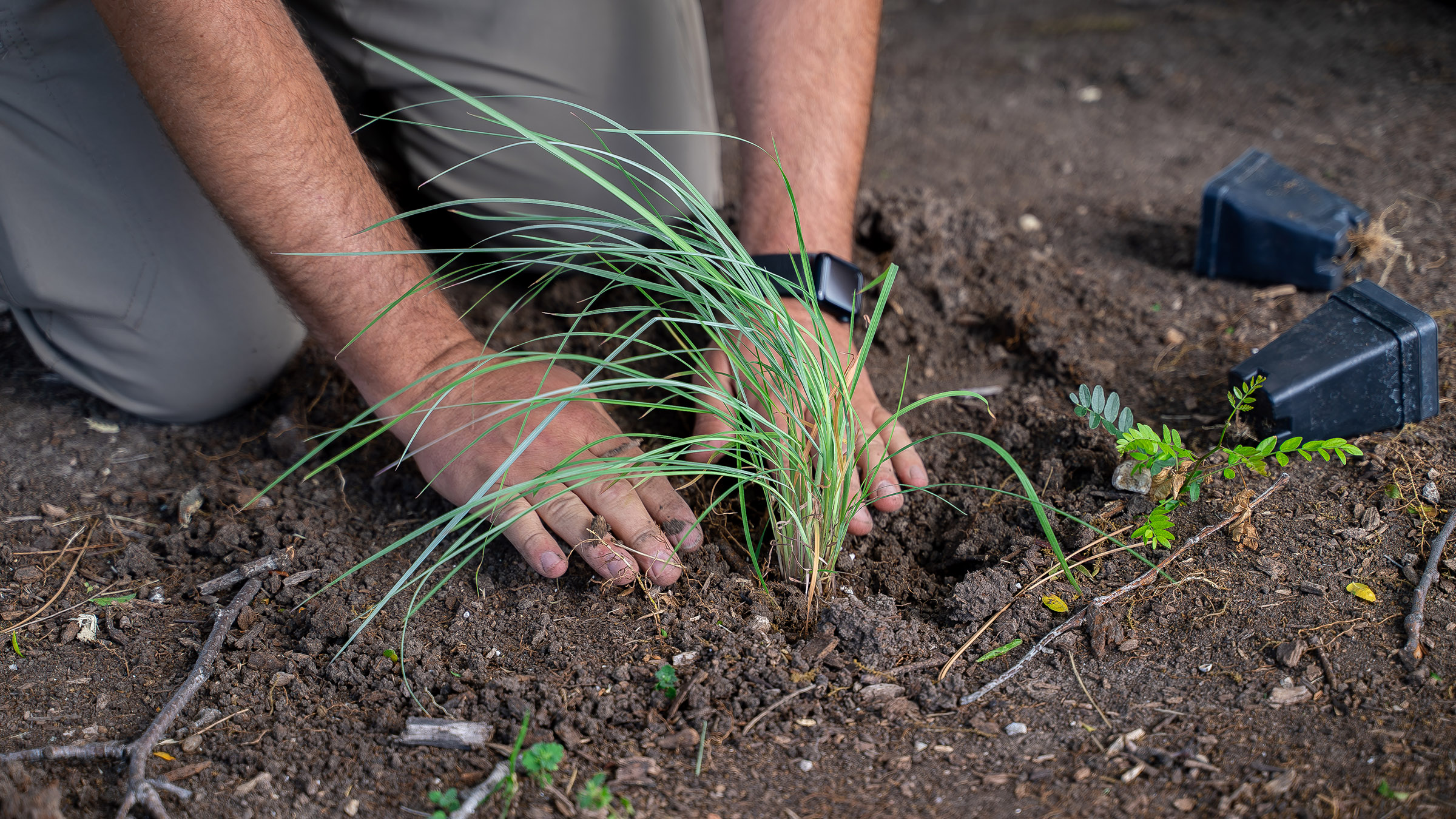
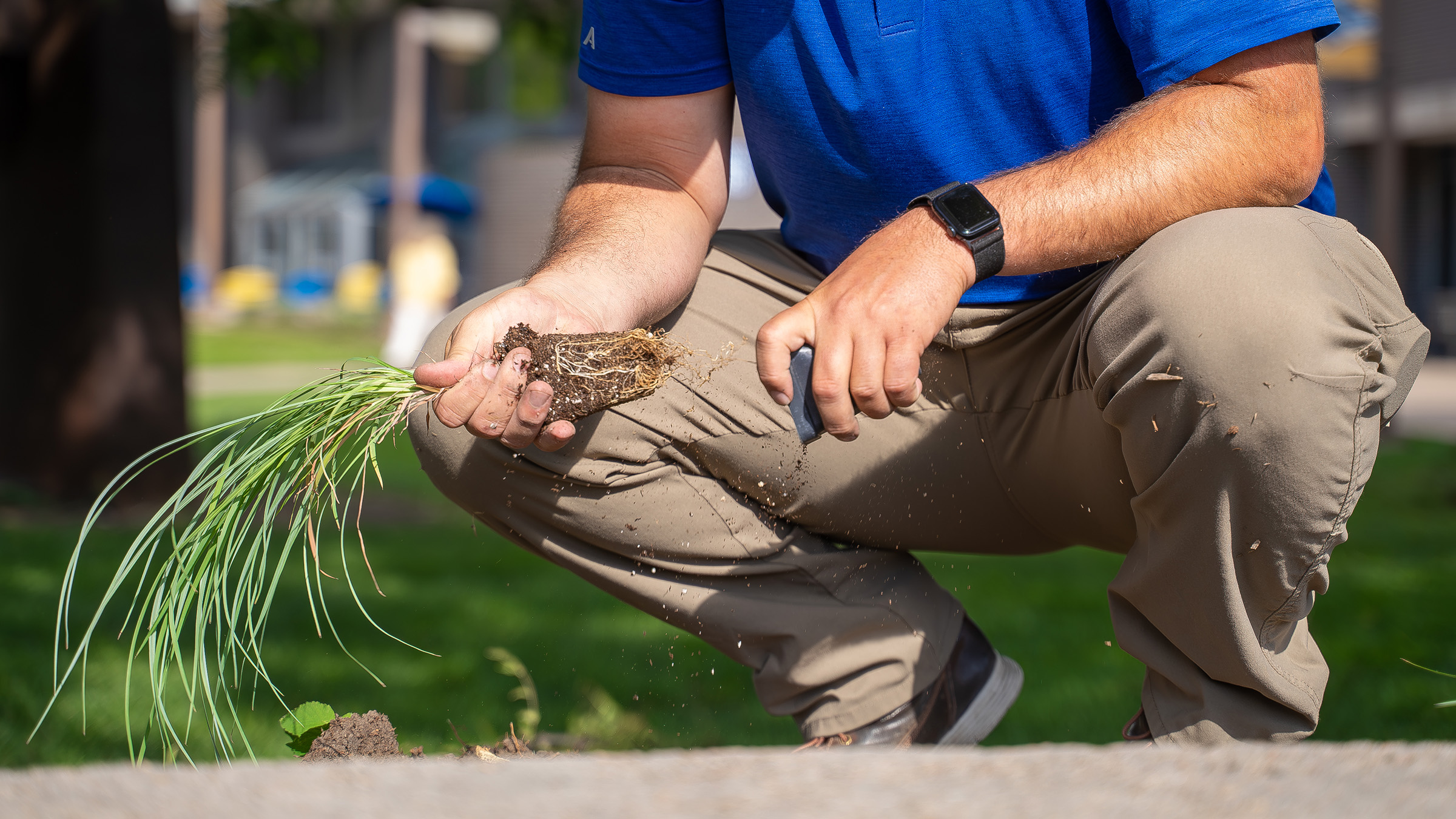
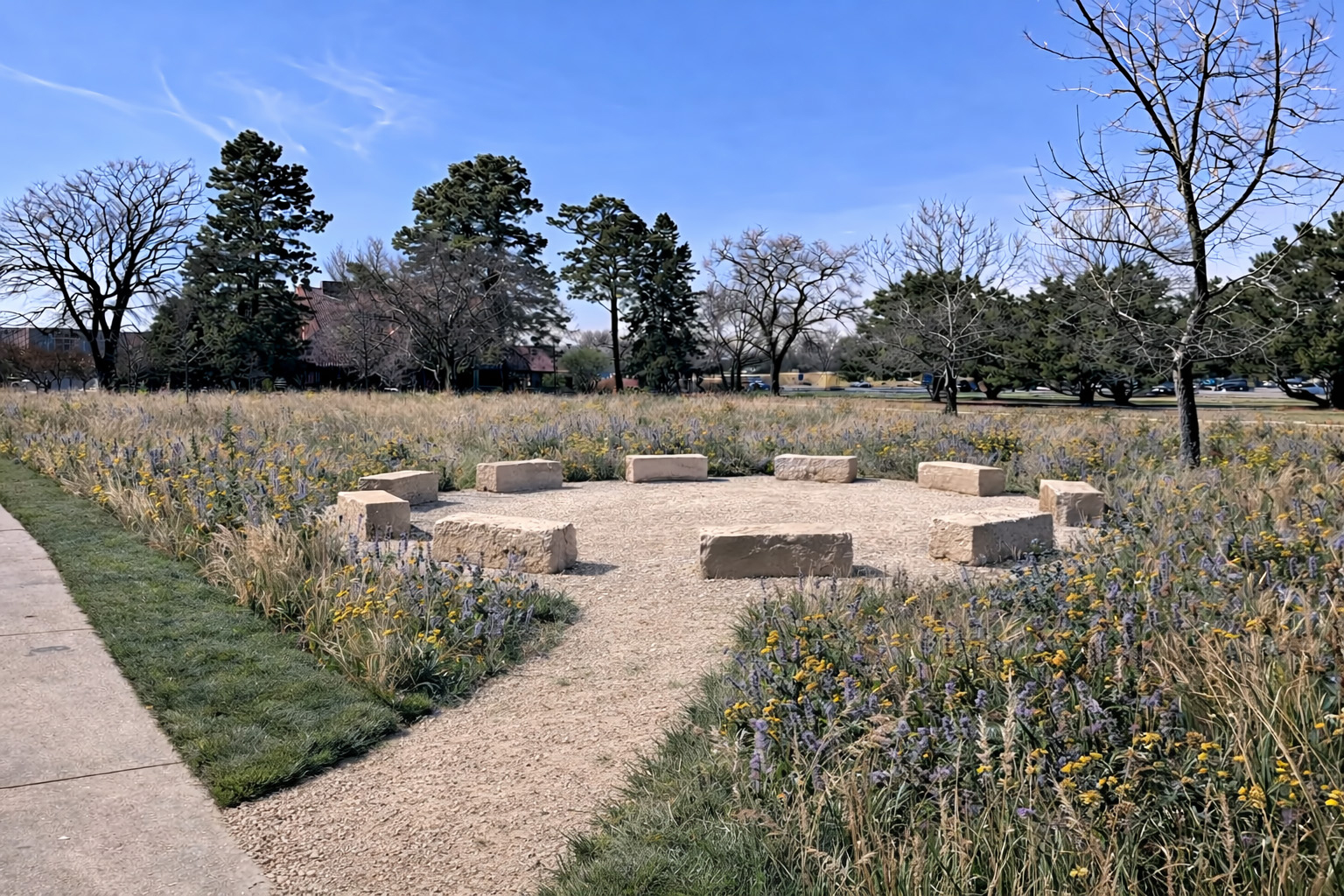
Sowed this spring, the West Center area will feature native grasses such as little bluestem, blue grama and buffalo grass alongside wildflowers including coneflowers and milkweed – many of the same species found across the Nebraska Sandhills and prairies. Once fully established, the space will include limestone seating, pathways and Wi-Fi access, creating an outdoor destination for studying, relaxing or gathering between classes.
“It’s going to be a very identifiable marker on campus,” Zabel said. “It’s going to be a beautiful statement piece.”
Because native prairie plantings require time to mature, the West Center landscape is expected to reach its full potential in about three years.
In the meantime, work will continue on the overall vision.
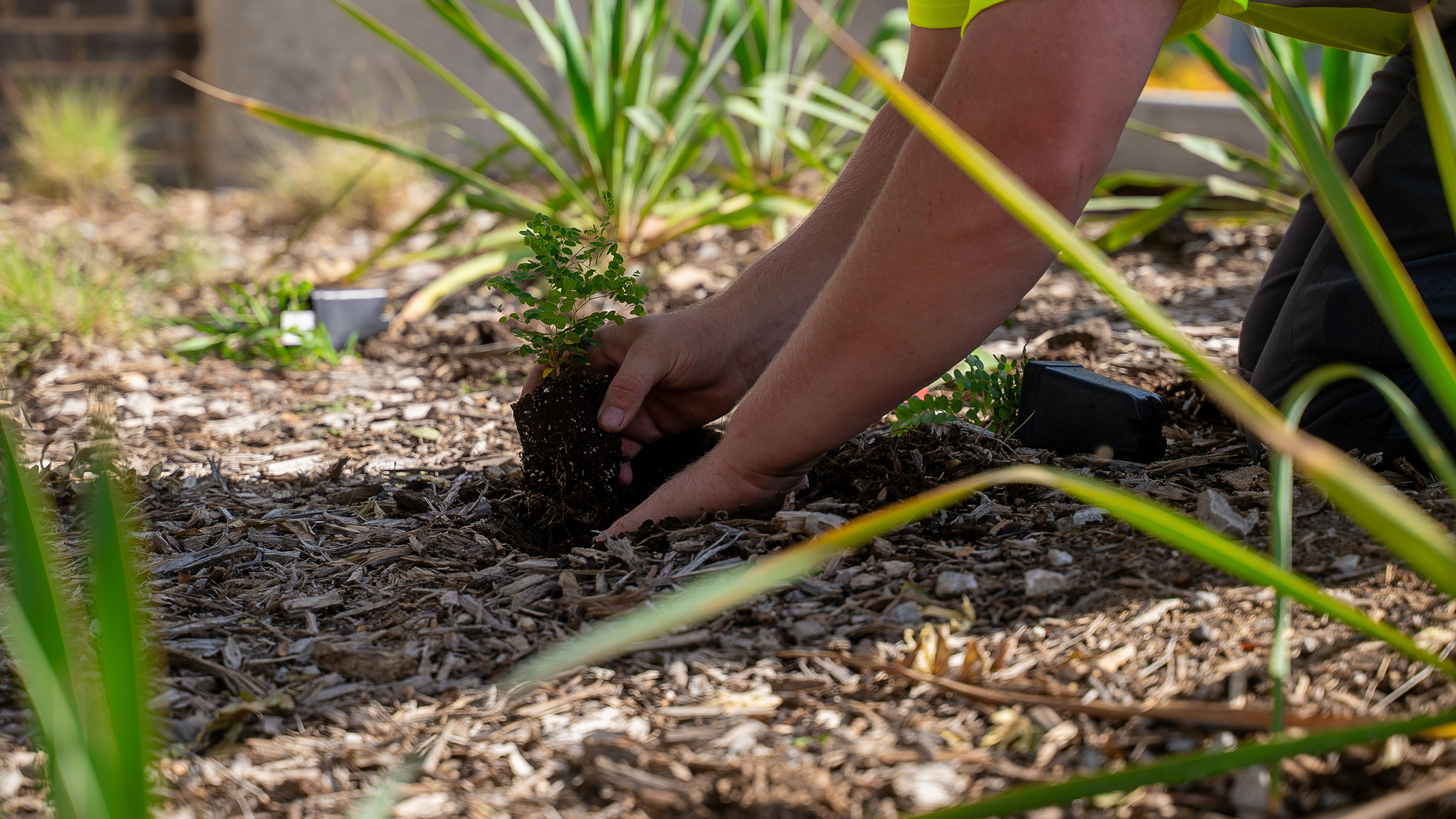
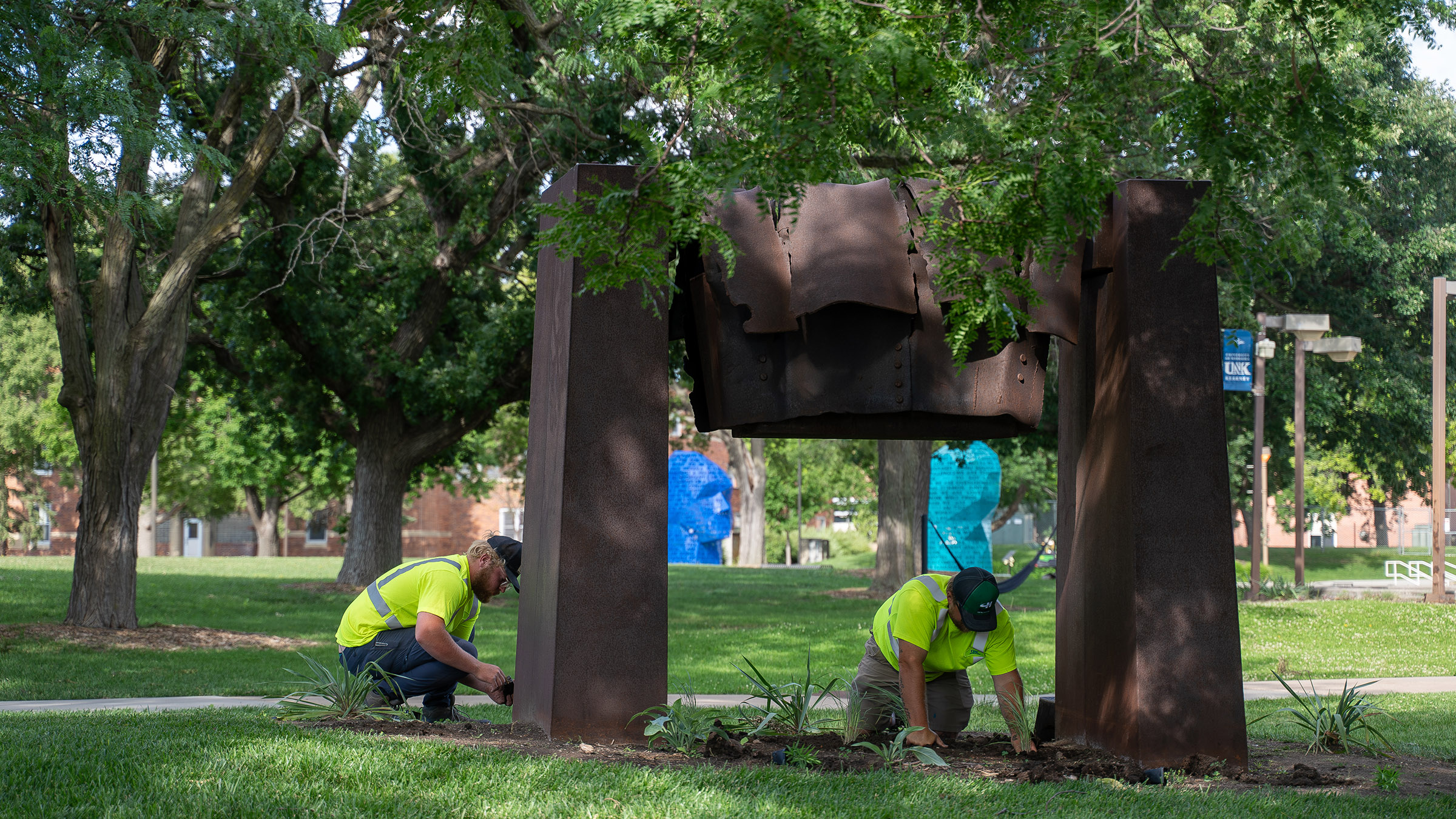
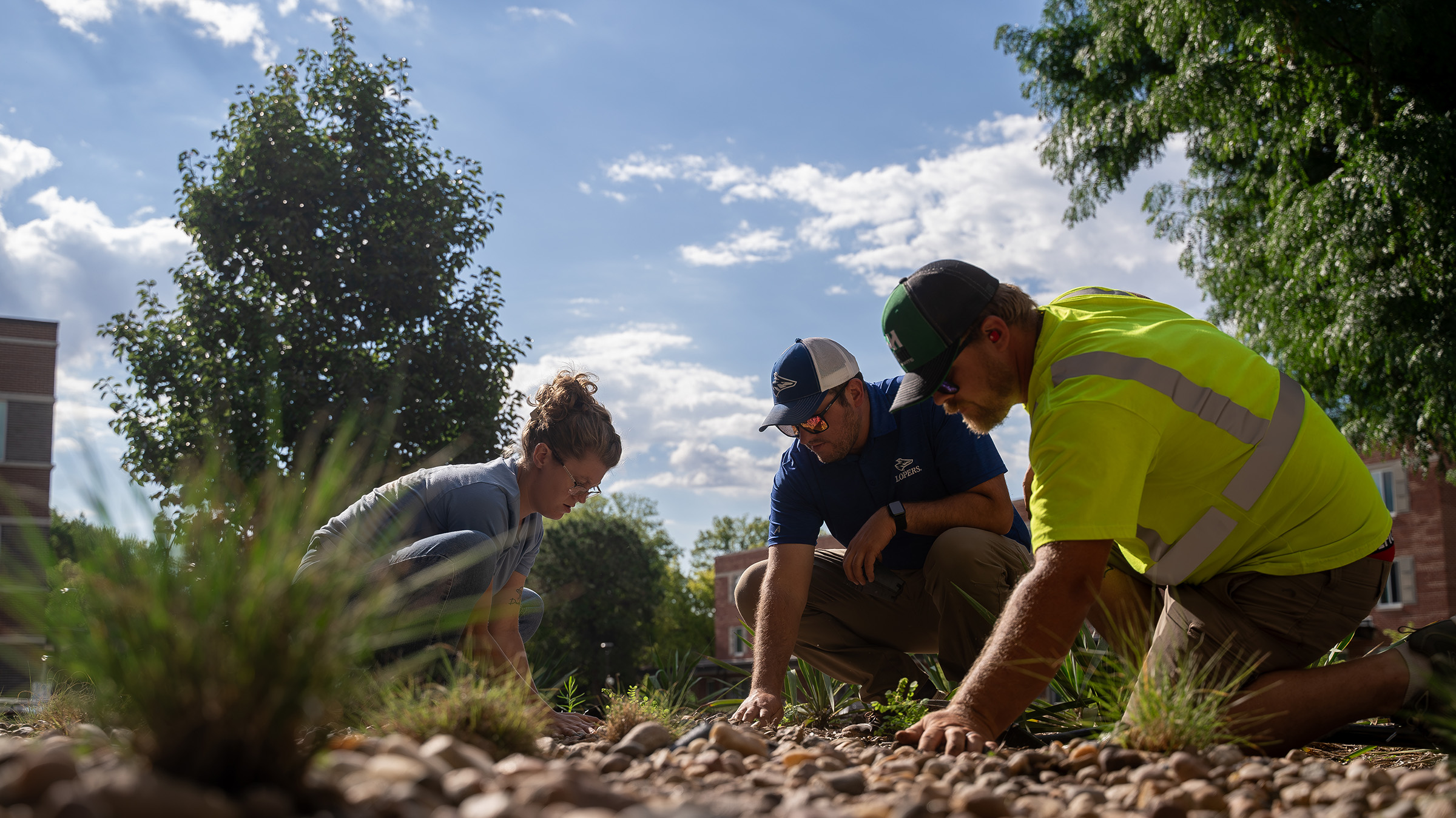
Native grasses and wildflowers have already been planted north of the Ernest Grundy Tennis Center in University Village, where mowed walking paths will eventually cut through the restored prairie, making it easier for people to utilize and enjoy. Similar landscaping is being added near the Nebraskan Student Union, Copeland Hall and other areas of east campus as existing landscape beds are redesigned or replaced.
In some locations, shrubs and oversized landscape beds will be reduced or removed entirely, allowing crews to focus resources on spaces that better complement the campus.
“One of the main things I look for in these projects is how do we make this more useful, more intentional, more than just a mowed piece of grass,” Zabel said. “You can go all over town – at city parks and golf courses – and see manicured turf day after day after day.
“How do we create something different? I think we have that flexibility when we’re on a college campus to provide something different.”
Beyond aesthetics, the landscaping plan is designed with sustainability in mind.
Replacing large expanses of traditional turf with native plants will significantly reduce irrigation, fertilizer use and routine maintenance. Around the West Center prairie alone, buffalo grass borders are expected to use roughly 75% less water than conventional turf, while future irrigation technology upgrades will further conserve water by using predicative modeling to adjust watering schedules based on weather forecasts and rainfall.
“Water usage will be a huge issue in the future. If we can get ahead of that, I think we’re just better stewards of the resources,” said Zabel, who hopes to conserve millions of gallons each year.
The initiative also includes an extensive tree replacement program. With funding from a PlantNebraska grant, UNK is removing roughly 20 ash trees threatened by the emerald ash borer and replacing them with approximately 140 new trees over the next two years, including oaks, maples, elms, sycamores, redbuds and serviceberries selected for Nebraska’s climate.
As the native landscapes mature, Zabel believes they’ll become more than attractive green spaces. He’s already meeting with faculty members to discuss ways to use the areas for teaching and research, including plant taxonomy, ecology and pollinator studies. The restored prairies may also serve as outdoor classrooms and, eventually, sites for controlled burns that demonstrate prairie management practices.
“I definitely think, wherever you are, you’re going to start seeing a lot more of this,” Zabel said. “I’m excited, and hopefully everybody else is pretty excited once it’s all done.”
PHOTOS BY KOLLIN GOFF AND TYLER ELLYSON
UNK COMMUNICATIONS