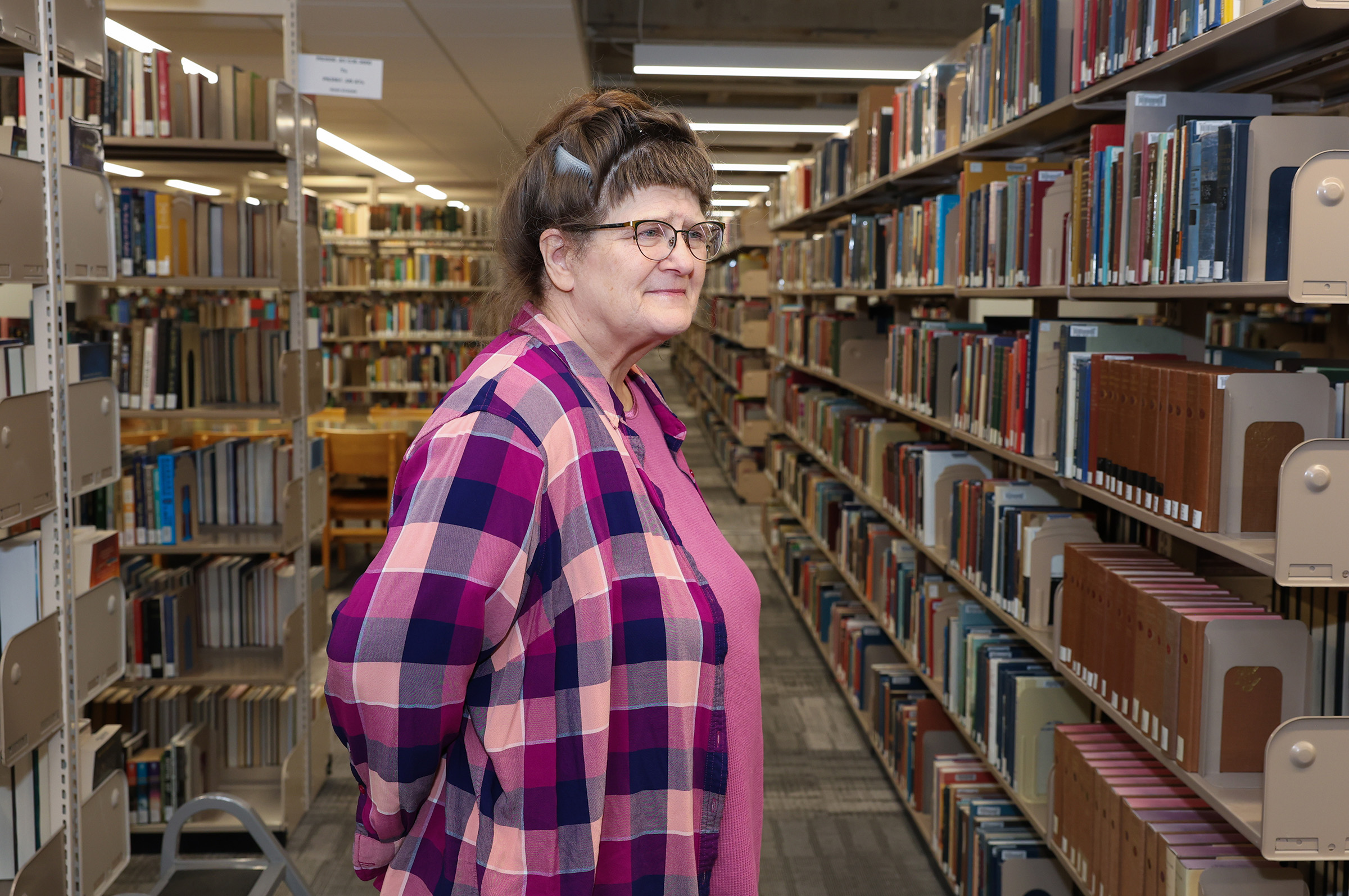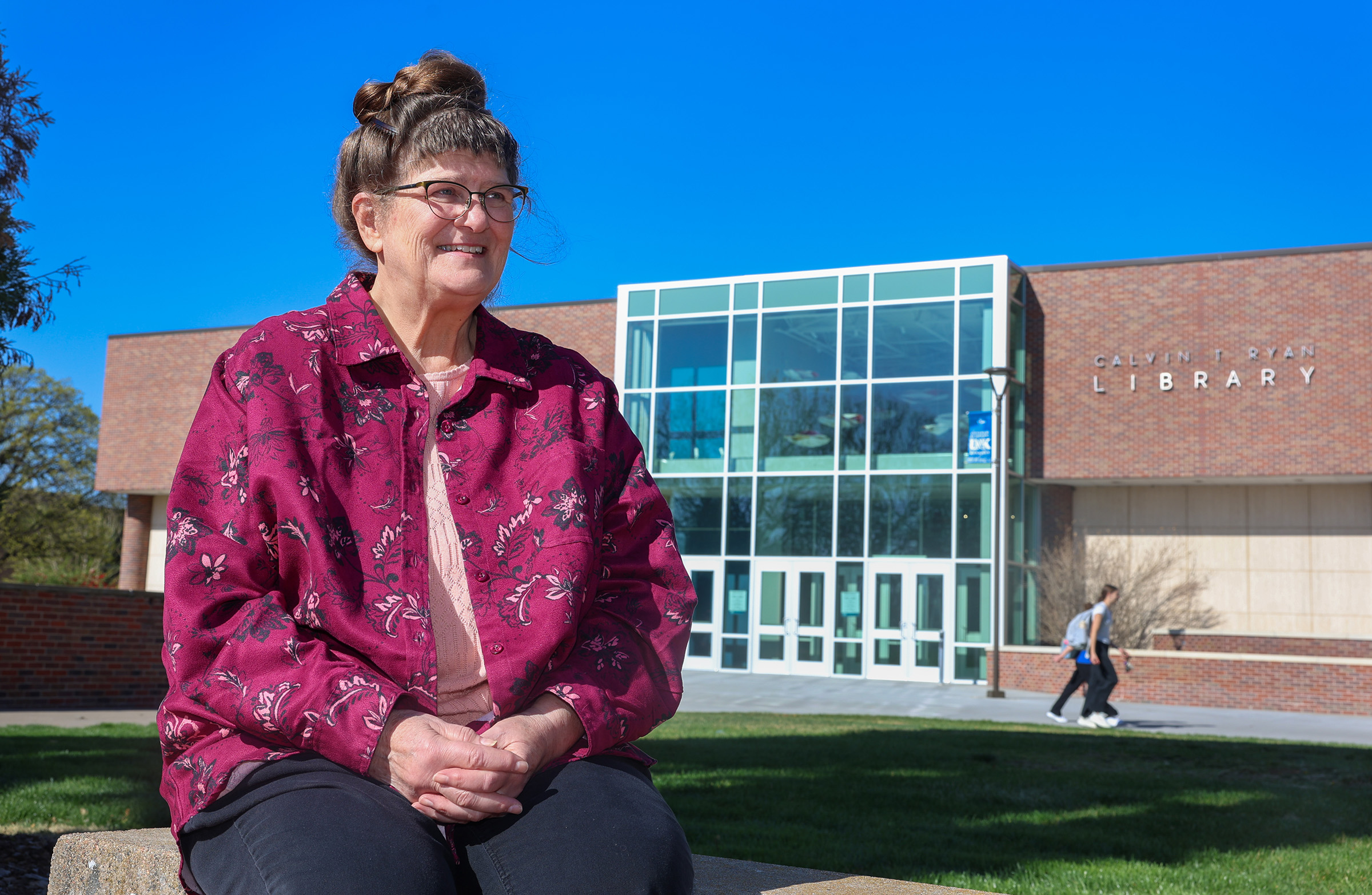
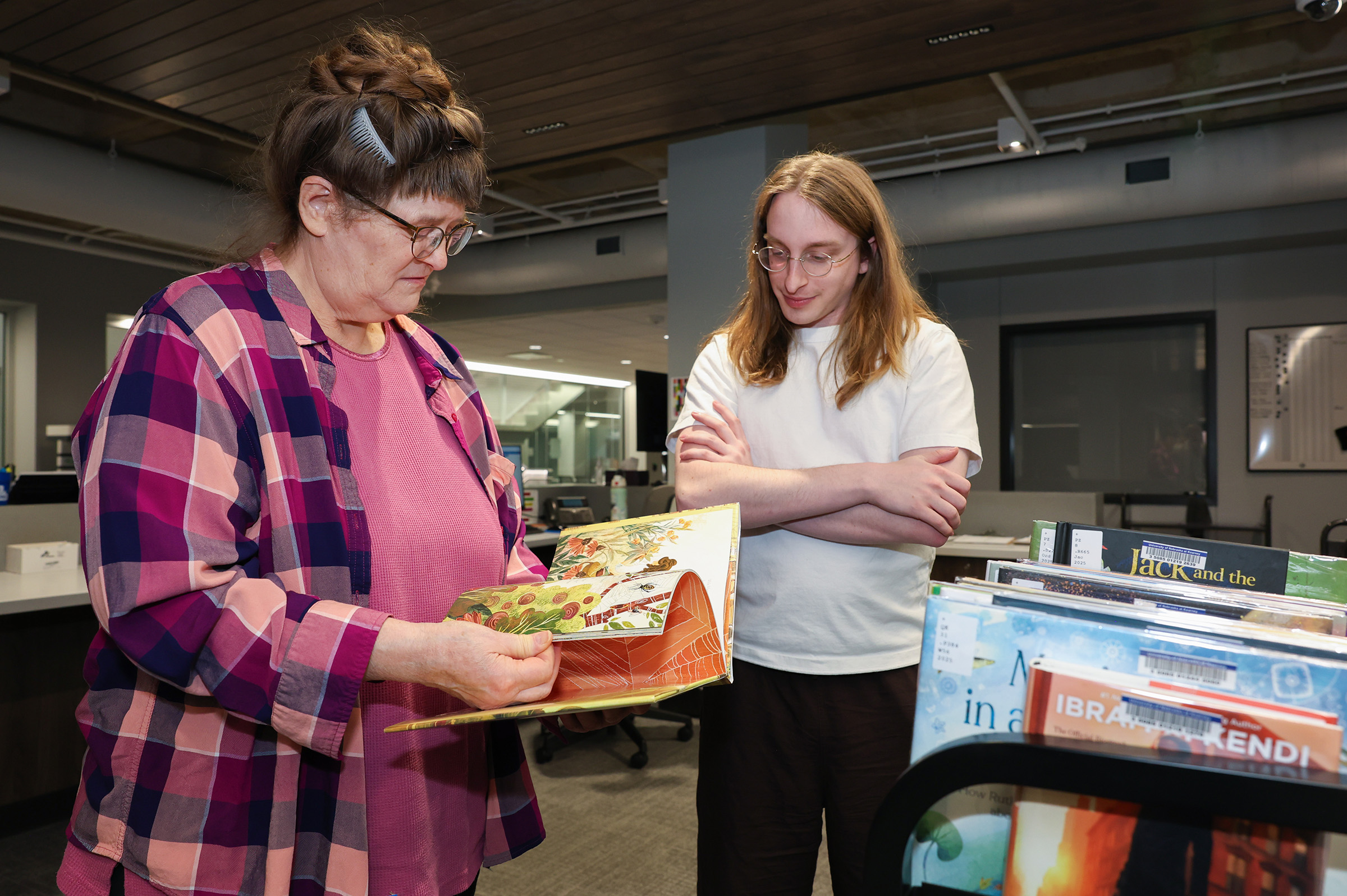
More than four decades into her career, Alta Kramer is still helping University of Nebraska at Kearney students and faculty track down the information they need.
Currently the interlibrary loan/document delivery manager, Kramer started working at Calvin T. Ryan Library in 1981 and has since adapted to changes from print collections to digital databases and artificial intelligence.
Her path was shaped early by her mother’s insistence on education.
“My mother wanted her girls to have an education so they could find a job that paid better than being an old maid or a wife. She had a women’s lib streak to her,” Kramer said. “I wanted to be an artist, but mom, being a hard-core realist, insisted I learn to work with information and people. She was right. I can enjoy making and observing beauty while earning a living.”
Raised on a farm near Litchfield in Sherman County, Kramer’s childhood included milking cows by age 5, hauling wood and corncobs to heat the house and working long hours outdoors cutting musk thistle, raking hay with a tractor, tending a large garden and butchering livestock. She went on to earn a bachelor’s degree in business education from Kearney State College (now UNK) in 1978 and master’s degree in library science from Emporia State University in 1994.
Before returning to the library, Kramer was a teacher and office manager in central Nebraska. But she found teaching time-consuming and office work lacking in pay and benefits. The library, where she had worked as a student assistant, ultimately drew her back.
“The only place I felt at home, felt I could contribute and where I could earn a living was at the library. Libraries harbor new ideas, interesting people and other opportunities to snoop. Sorry, I meant to say research,” Kramer quipped.
She held several roles at UNK, including audio-visual service technician and interlibrary loan associate, before stepping into her current position in 2018.
What led you to Kearney State?
Farming in the 1960s was still considered a family business, but even then a small farm could not survive without outside income. My mother realized this trend and decided her children were going to get an education. She managed to achieve her goal with her daughters, but her sons were another story.
My mother taught at the one-room Brown School in Buffalo County before she was married. Kearney State College, in 1973, was a “teachers college,” and my mom wanted her girls to be teachers. Also, KSC provided a curriculum familiar to her and was close to home. If I wanted to be welcome to come home for Christmas, I decided I better go to KSC.
Tell us about your current role at the library:
Through the interlibrary loan/document delivery services, patrons may borrow books and receive scans of articles from publications not owned by Calvin T. Ryan Library. In return, other libraries borrow the like from us, which is a budget-saving process. Also available are reference services for online and on-campus students, faculty and staff for citations, copyright considerations and accessing materials in digital and physical formats.
How has the library changed during your career?
Physically, I survived three major building renovations. I have a letter dated Aug. 27, 1982, addressed to my sister, composed and printed from one of the first Apple IIe computers purchased by the library. Now, we have digital journals and e-books.
Up to this point, students came to staff for help with reference questions. Now, they come to staff for help when the digital materials do not work or available databases do not have the answers they seek. AI is the new technology, but the questions I ask myself are the same. Does the information match or help with the quest in any way? Are quoted citations available in any other database? Are there associations to be verified elsewhere with the authors? Search an article title between quote marks in Google to find if it is quoted in any other work. Always analyze and verify.
What do you love about UNK?
The variety of people I encounter here. I have enjoyed student assistants from the Bahamas, China, Japan, Mexico, Nigeria, Oman, Pakistan and Vietnam. I’ve worked with students who hail from all over Nebraska. They were future artists, business owners, teachers and health care professionals. One of them, Julie Stall, continuing resources associate, was among my first student assistants and has endured me for 40 years at the library.
What is your favorite book to read?
No favorite. I’ll read anything, including cereal boxes.
The latest book that taught me about a hidden history was “We Survived the Night” by Julian Brave NoiseCat. I knew the mission to create white behavior in Native people was ugly, but I didn’t realize the extent of the sexual abuse. Revealing reality of the Native experience is gruesome. This book also explores Native theology and stories. I grew fascinated by the depiction of the “coyote” people and my own experience as the daughter of a hunter who killed coyotes for bounty in the 1960s. They are destructive but savvy creatures.
Share something unique about yourself:
I once served on the Litchfield Cemetery Board, but a few falls convinced me that I had no business being out there by myself. Now, I help my husband in our yard.
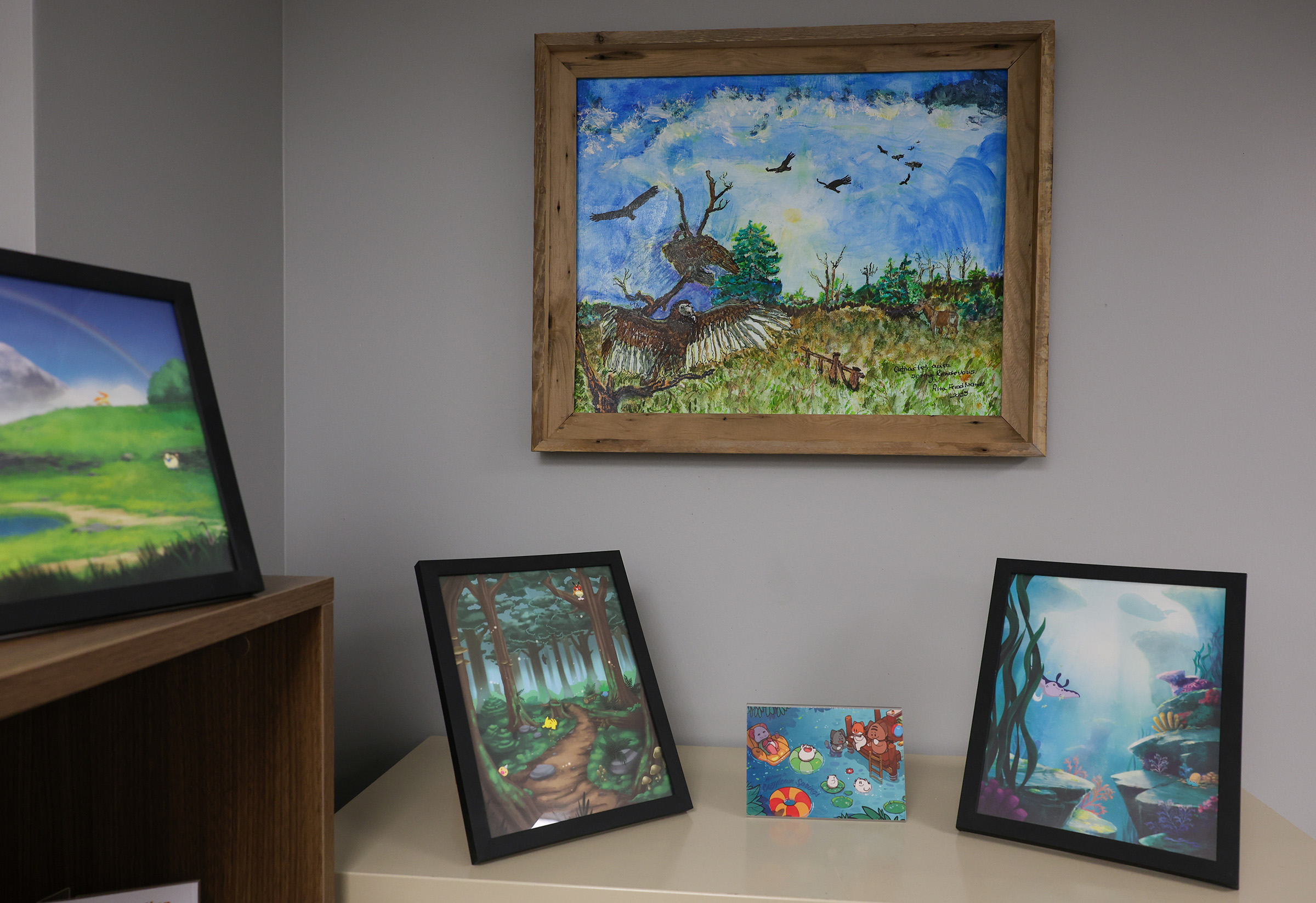
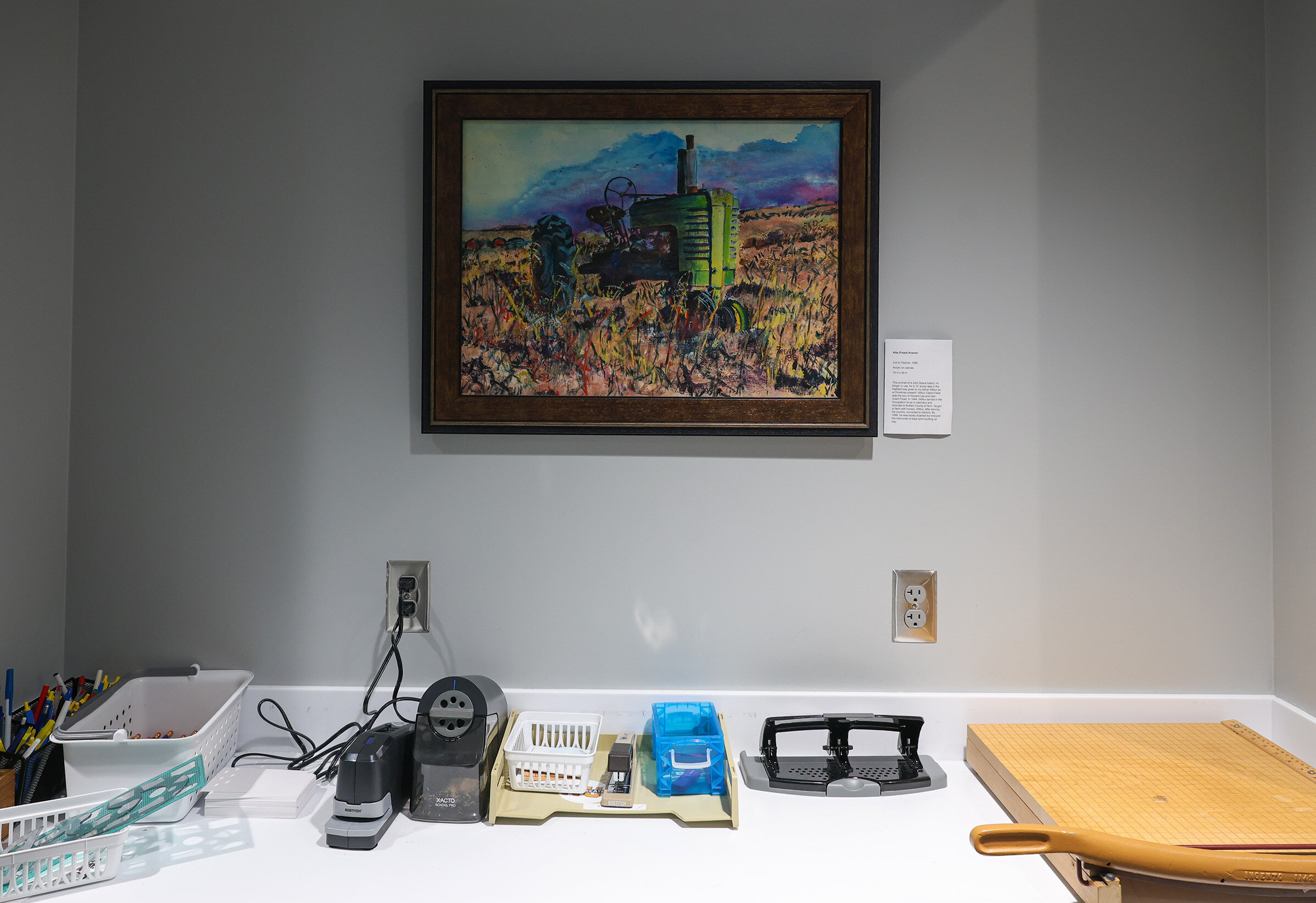
I have a couple of my paintings hanging in the library. I’ve put together a few family history books up in the archives, as well. One five-volume set is titled “Fread Yokels.” Another is titled “The Kramer Family of Southeast Custer County, Nebraska.” I “hunt dead people” as my mother called it for fun. I’m not above searching if someone asks.