By TYLER ELLYSON
UNK Communications
KEARNEY – History carries a different weight when you stand where it happened.
That’s something University of Nebraska at Kearney students discovered during a weeklong journey through the Deep South.
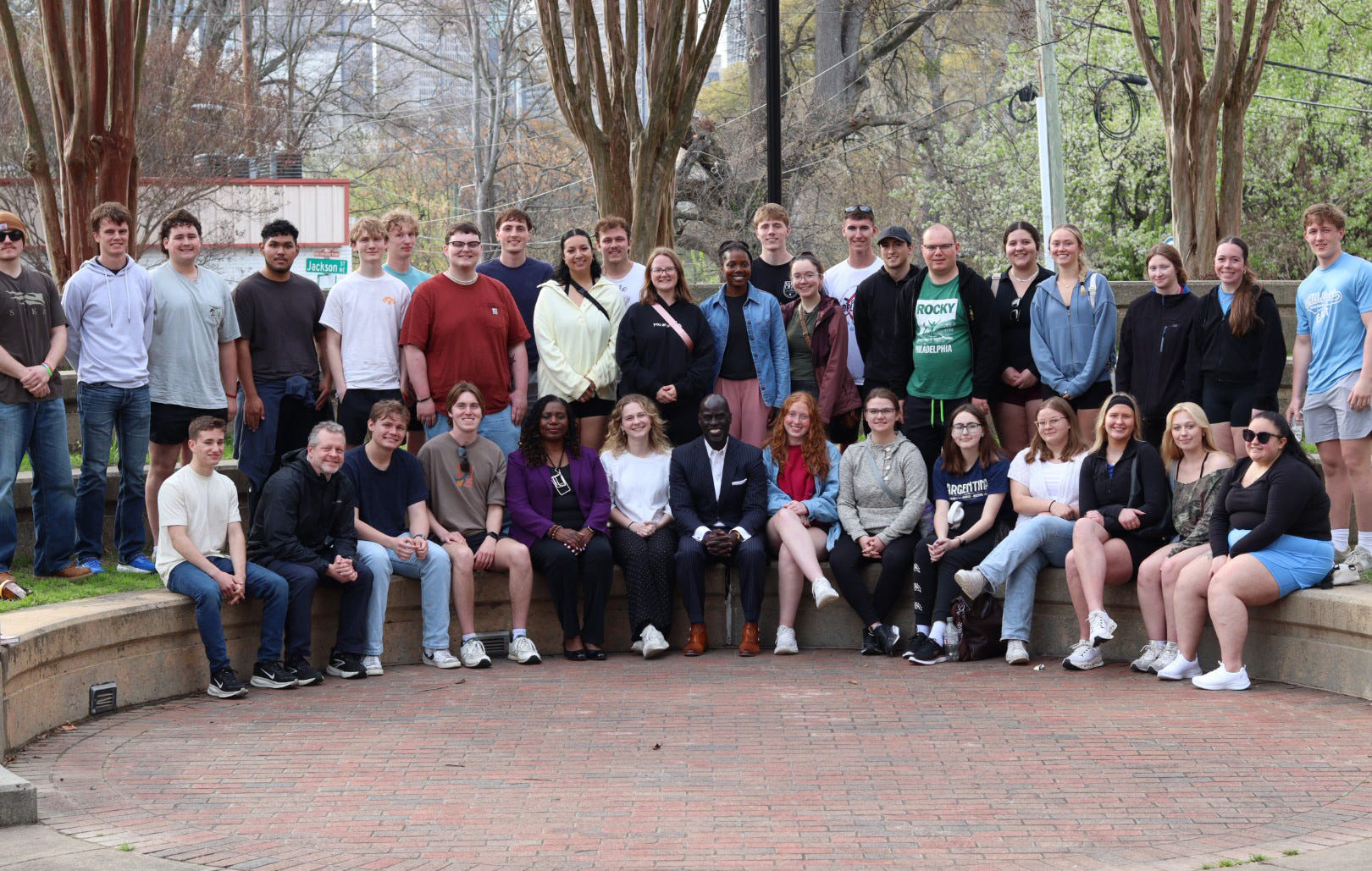
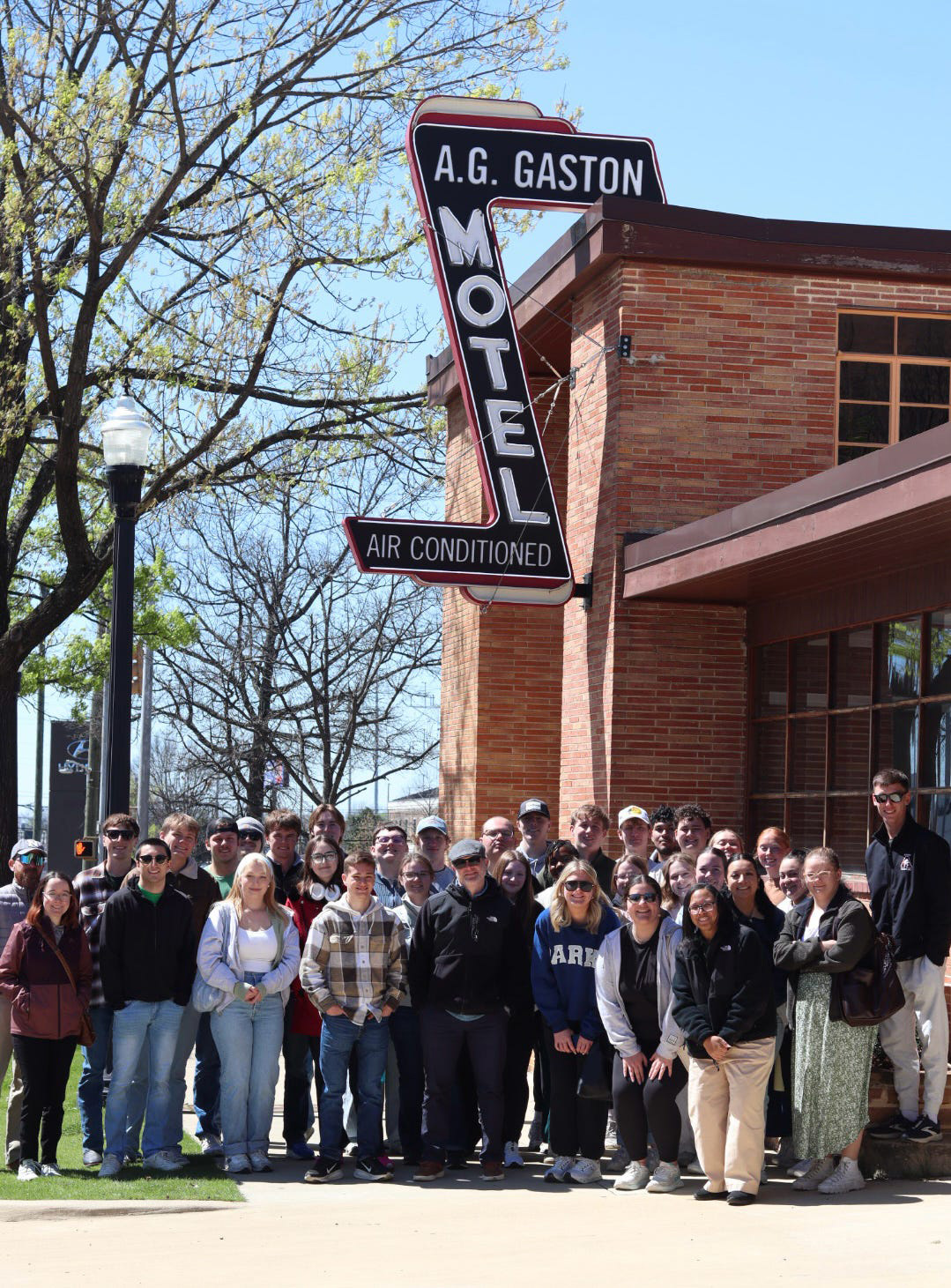
Political science professor Chuck Rowling and 29 of his students traveled to Georgia and Alabama during spring break as part of a semester-long field study course examining the history, law and politics of the U.S. Civil Rights Movement. Most of the participants are members of the Kearney Law Opportunities Program (KLOP) or Nebraska Good Life Opportunities Program, initiatives designed to prepare students for careers in law, government and public service in Nebraska.
Joined by colleagues from the University of Nebraska College of Law and University of Nebraska at Omaha, the group visited some of the most significant sites tied to the Civil Rights Movement while engaging with attorneys, scholars and community leaders working in the field today.
The experience brought classroom discussions to life in ways that can’t be replicated on campus, creating a more meaningful connection to the past and its continued influence on the present.
“There is just no substitute for this type of learning,” said Rowling, chair of the UNK Department of Political Science. “You could read all the books you want or watch all the documentaries there are about these subjects, but the hands-on experiences that these students encounter on these trips, coupled with the guided reflection that they do with their fellow students, is invaluable.”
Following the movement
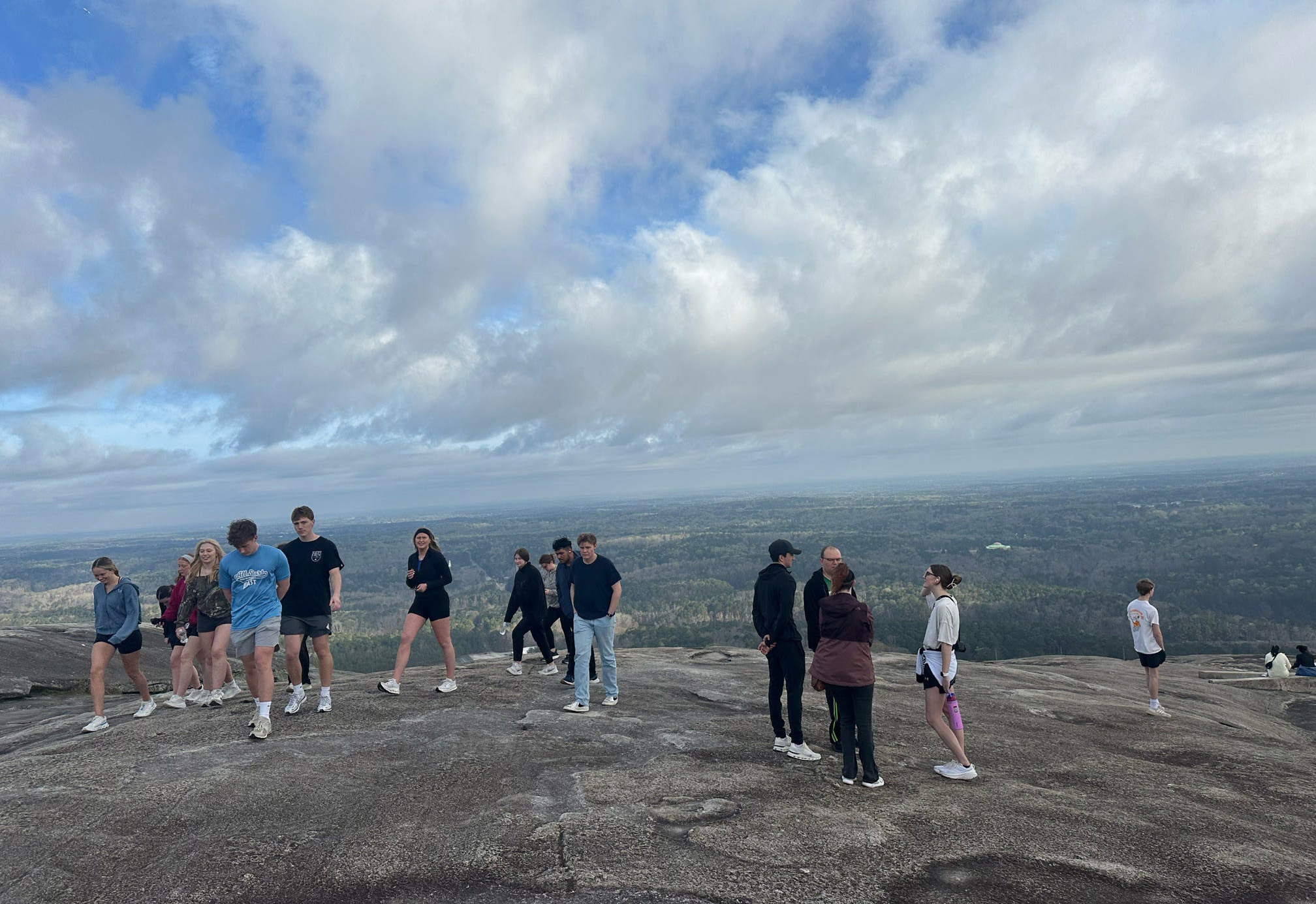
Over the course of the week, students followed the path of the Civil Rights Movement through cities that shaped its legacy.
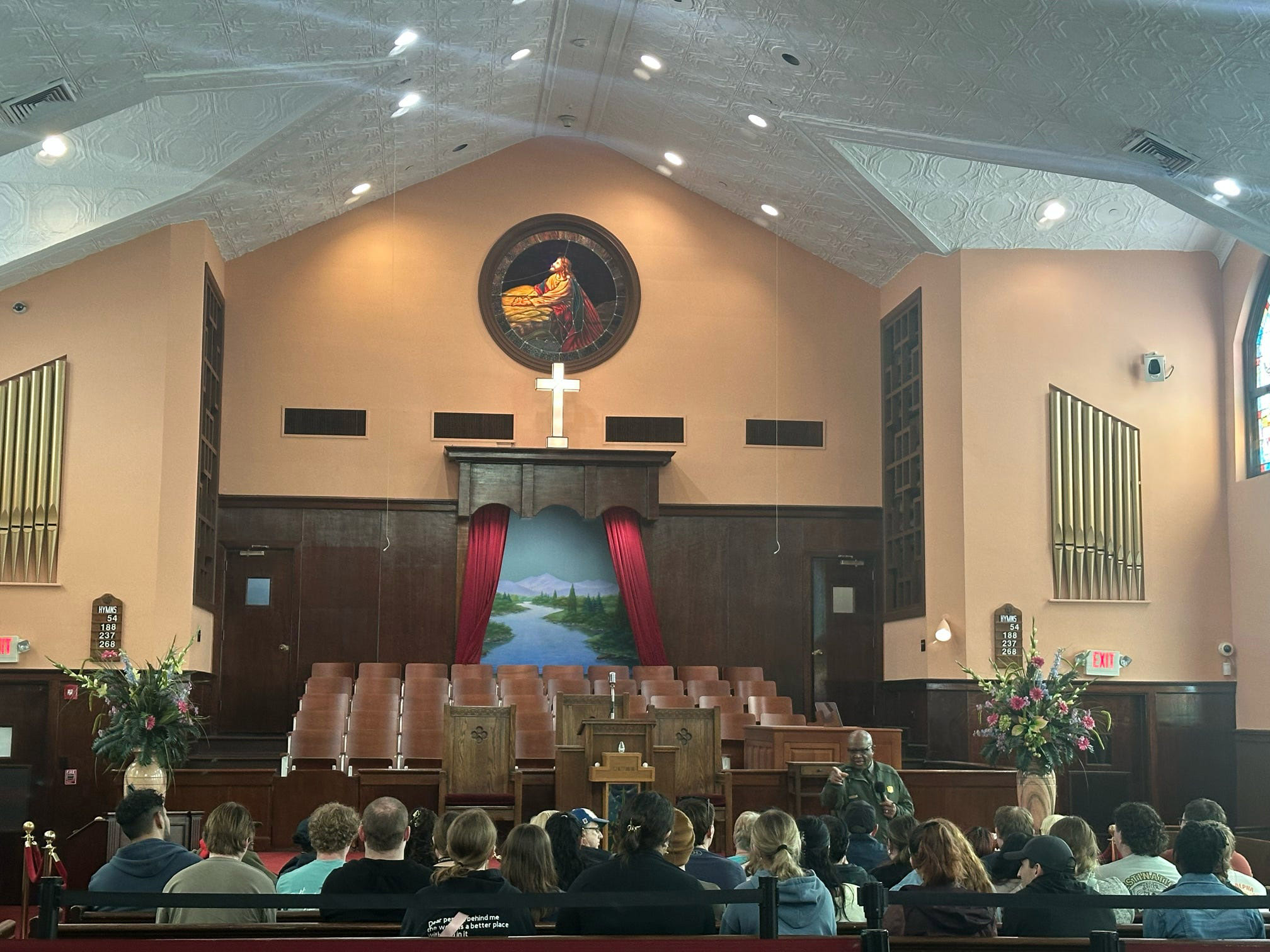
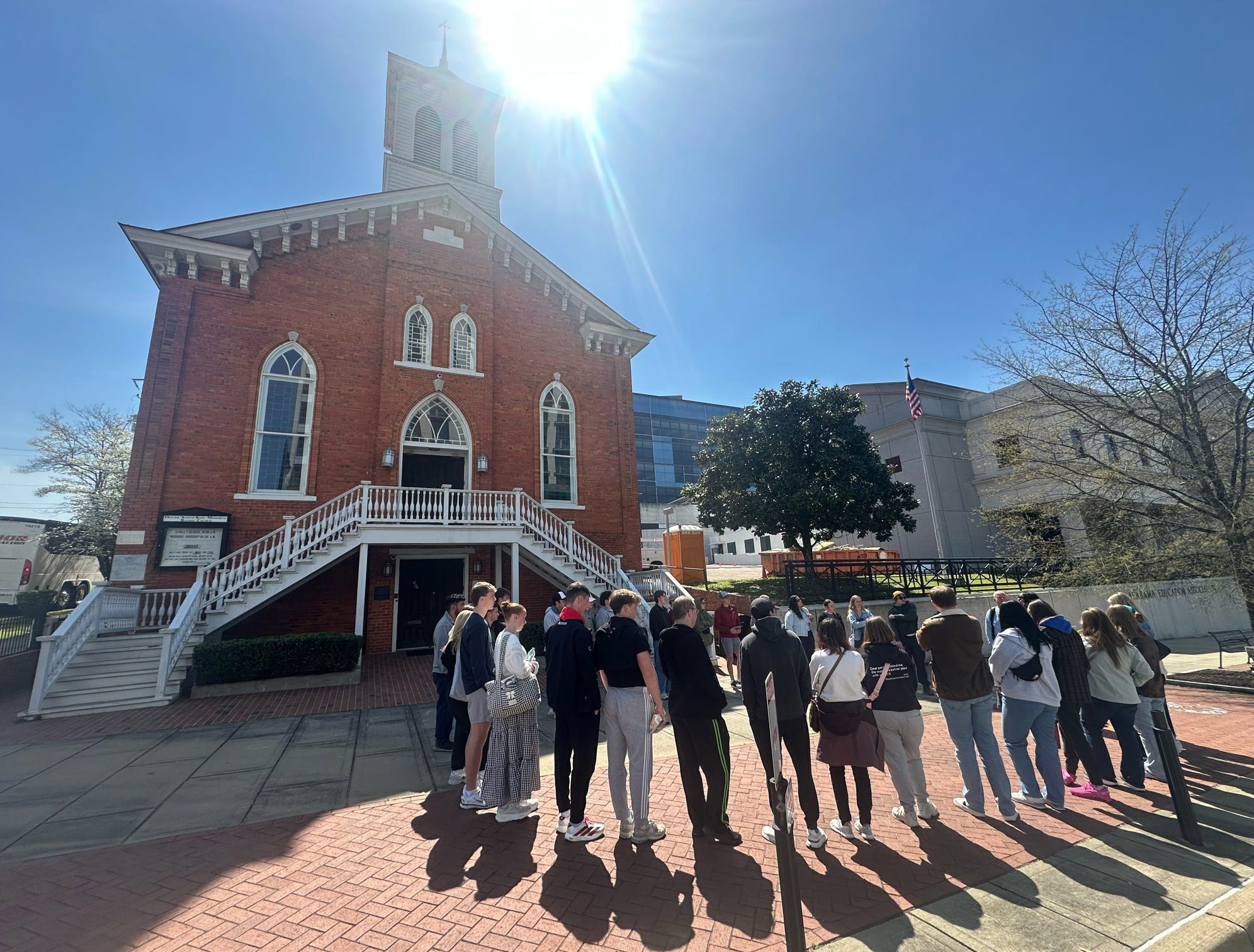
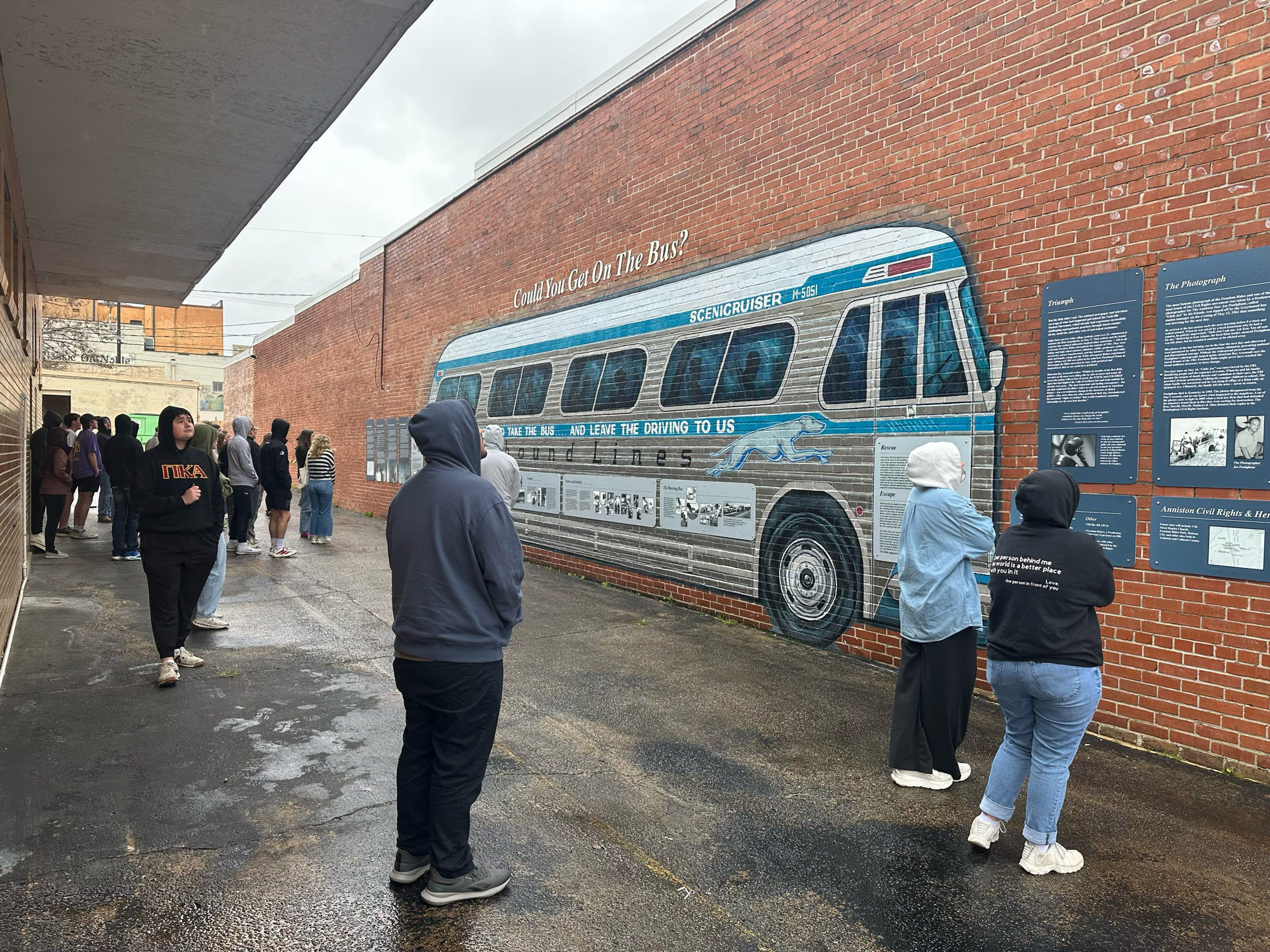
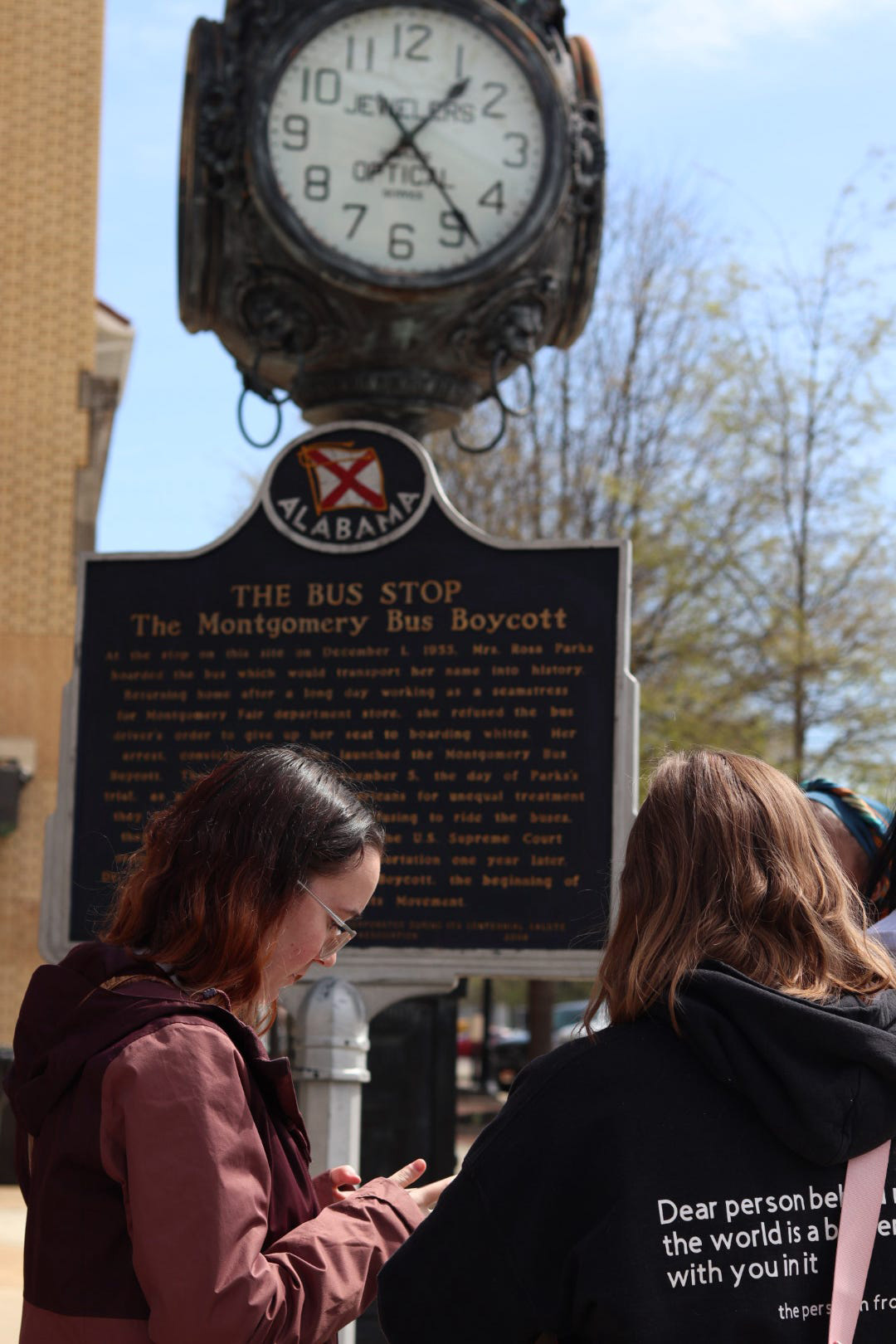
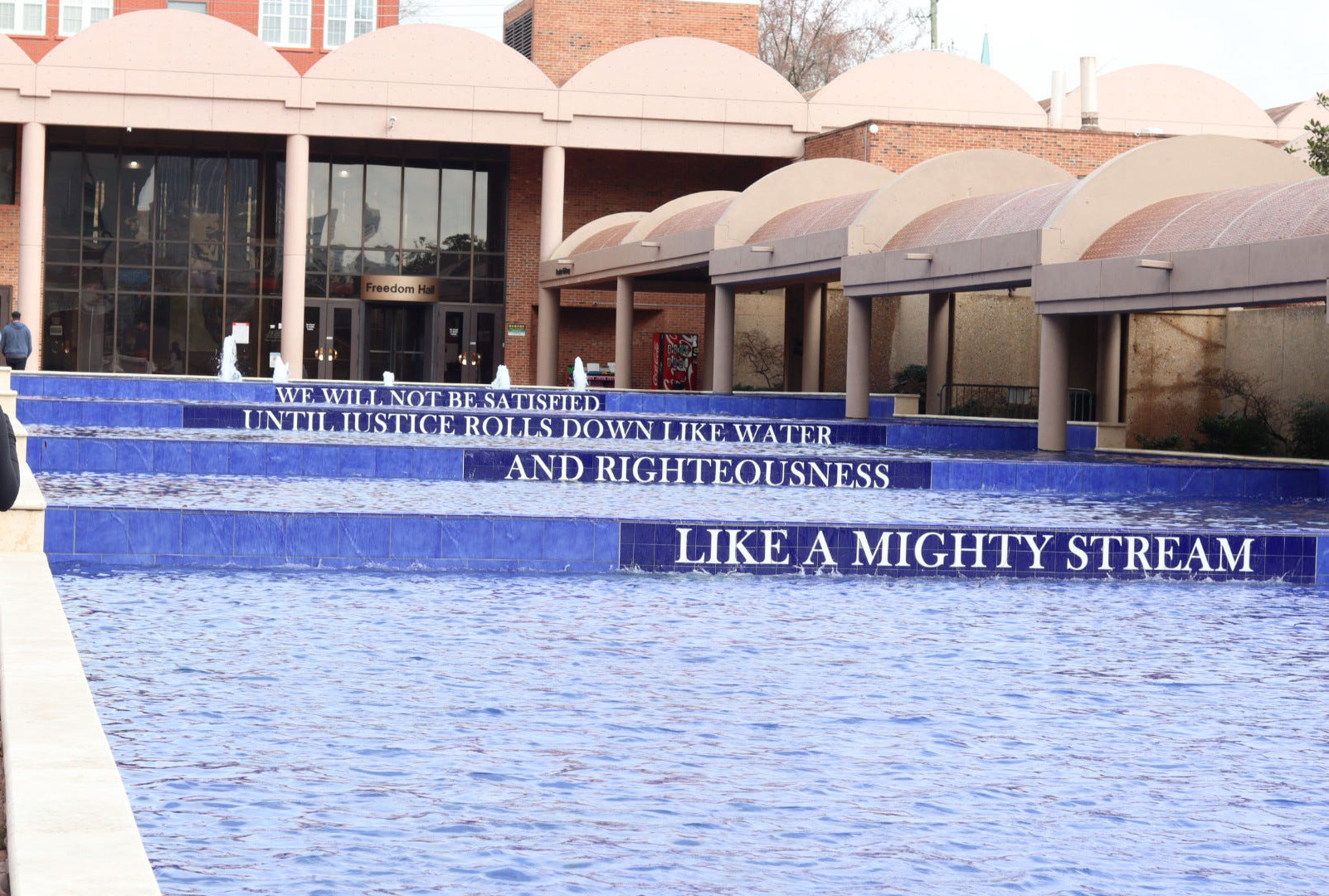
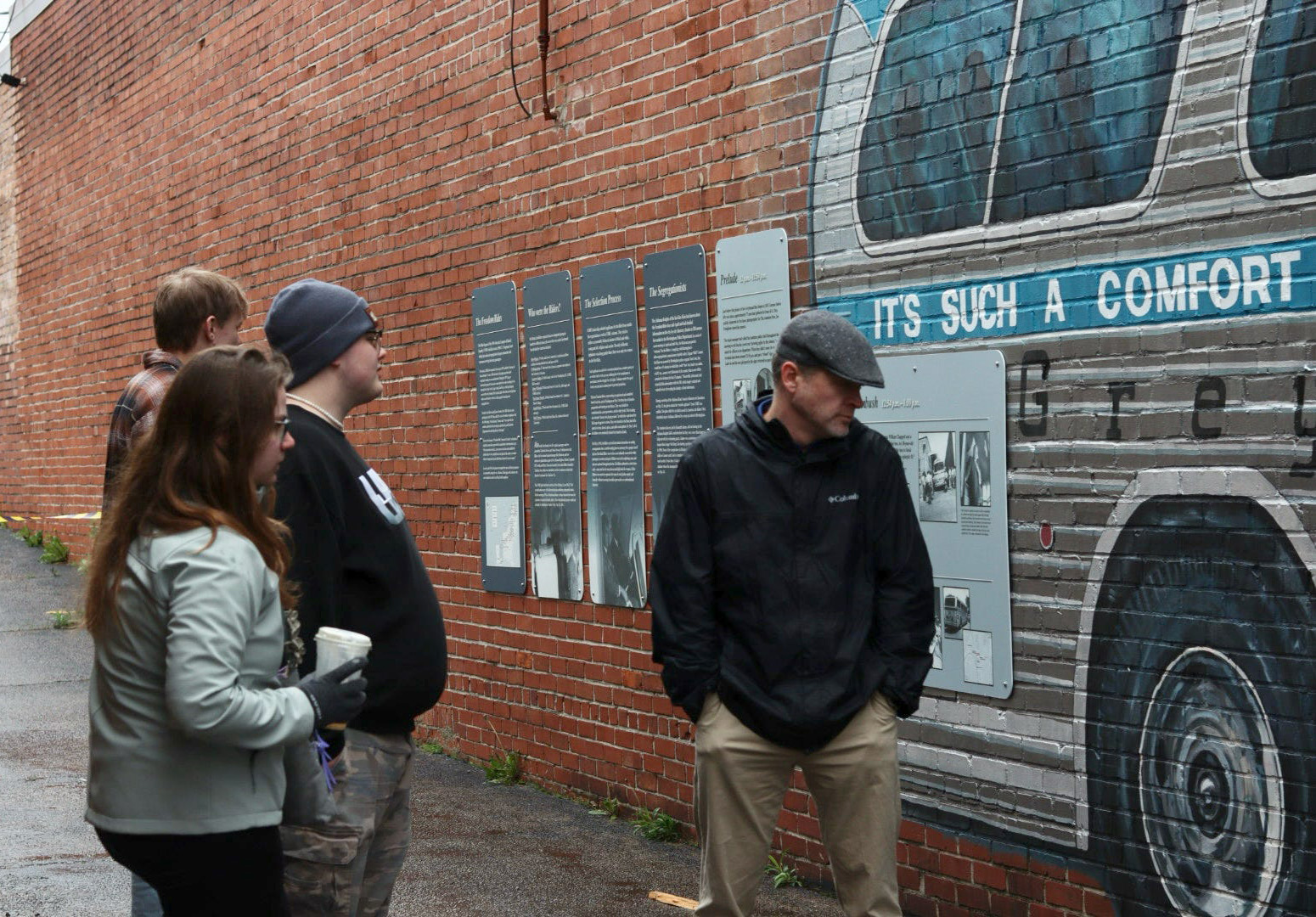
In Atlanta, they toured Martin Luther King Jr. National Historical Park, walked along Auburn Avenue and visited Ebenezer Baptist Church, where King and his father served as pastors. The trip then moved into Alabama, where the group stopped in Anniston at the Freedom Riders National Monument before continuing to Birmingham, Montgomery, Tuskegee and Selma.
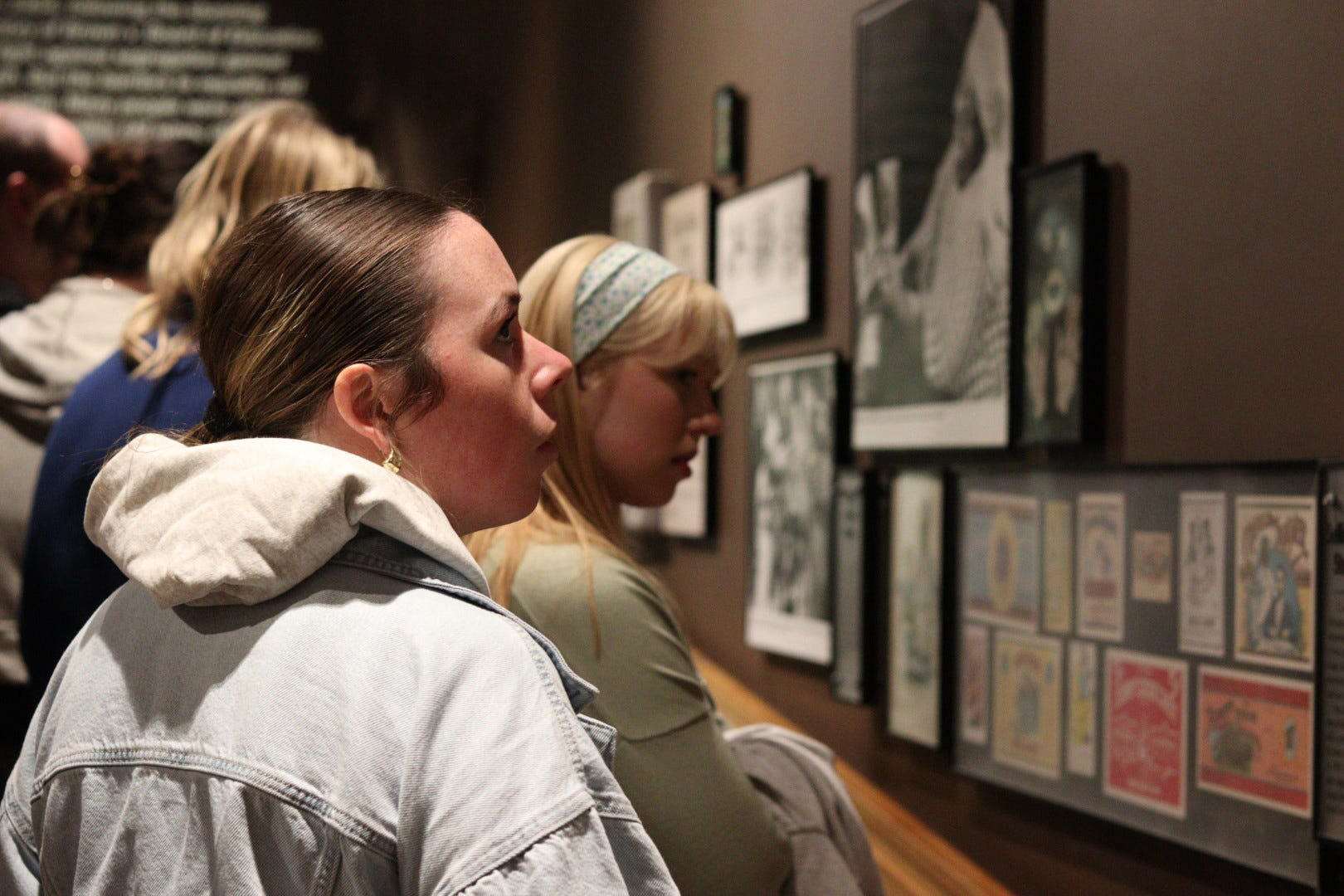
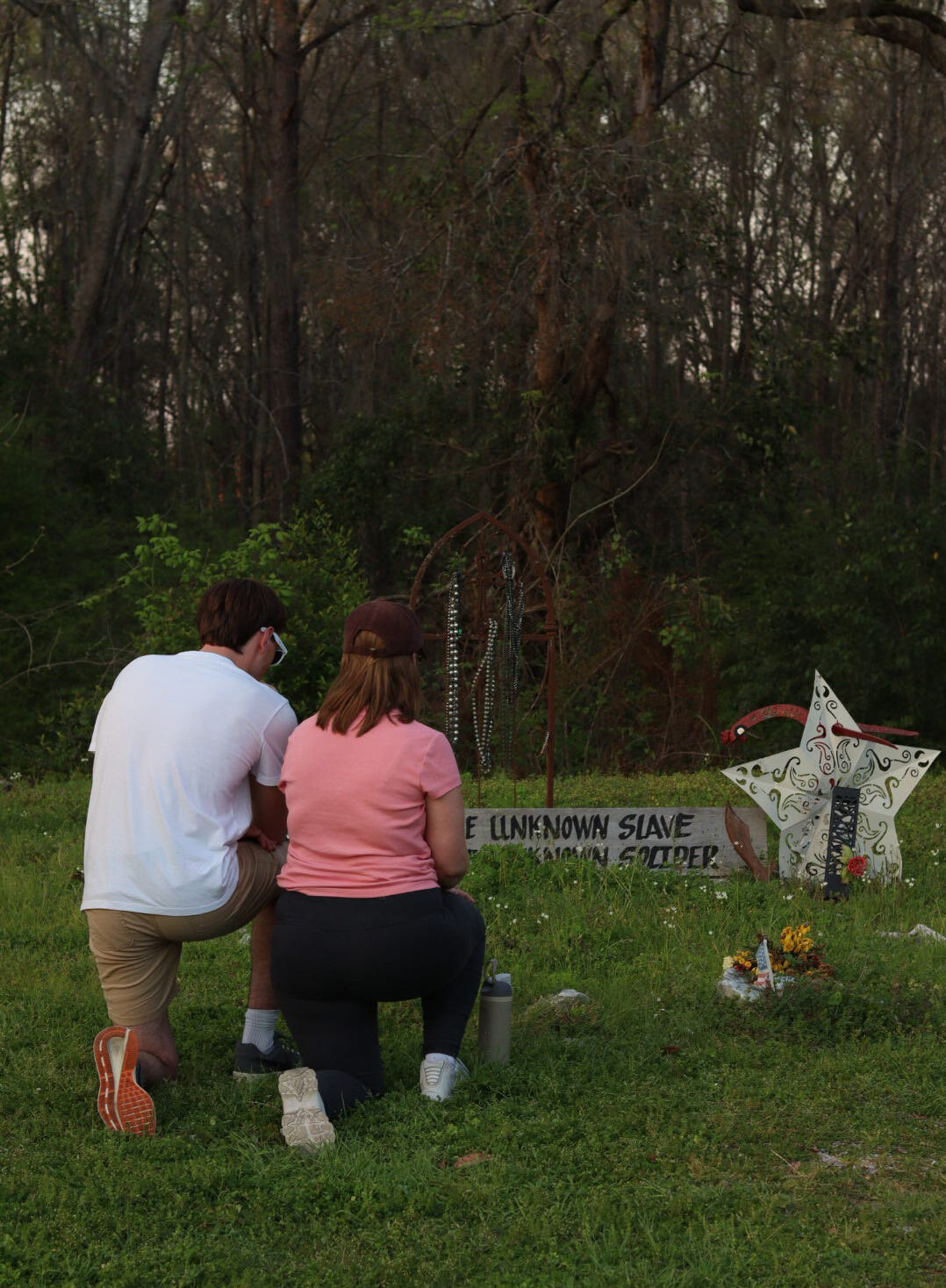
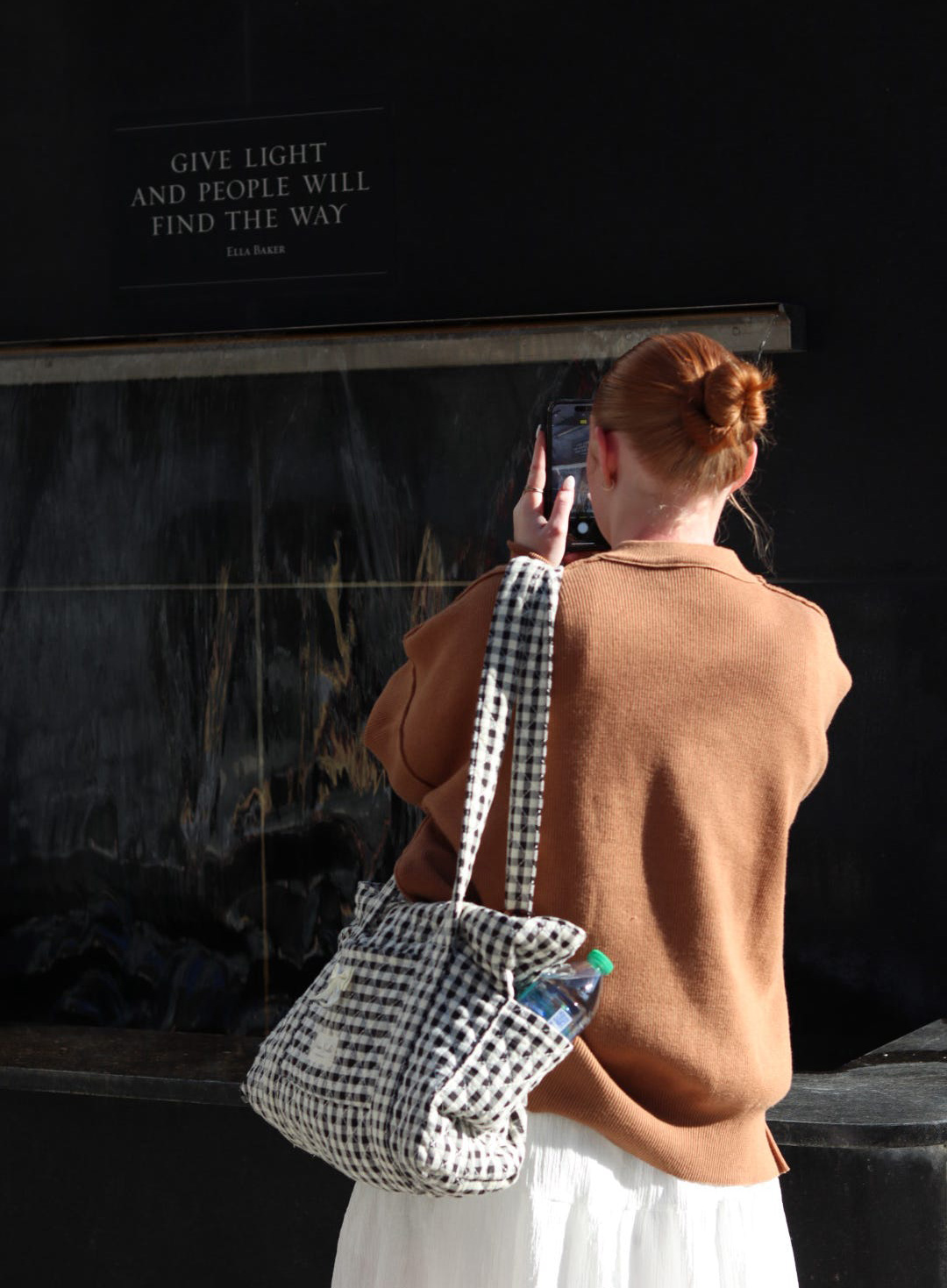
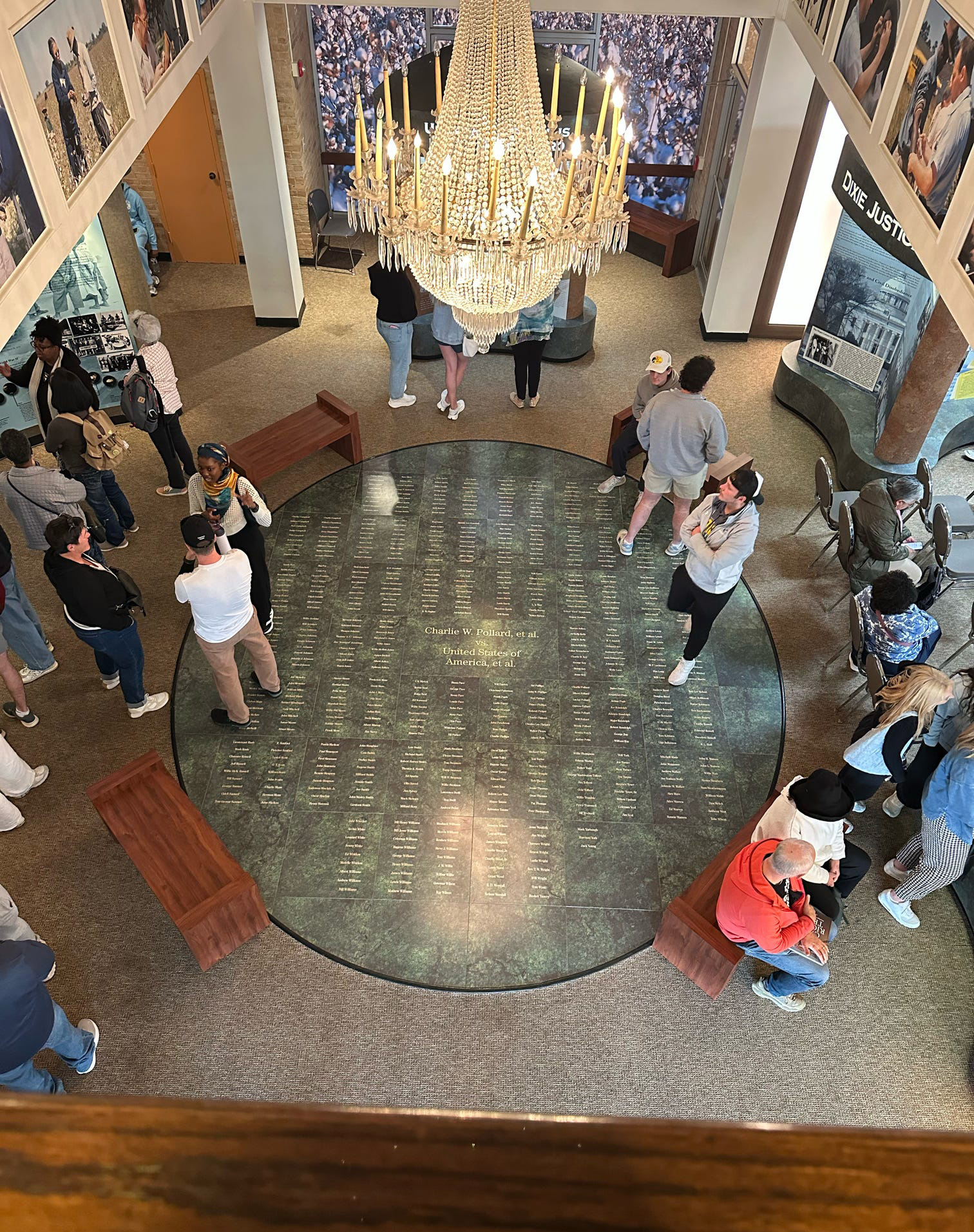
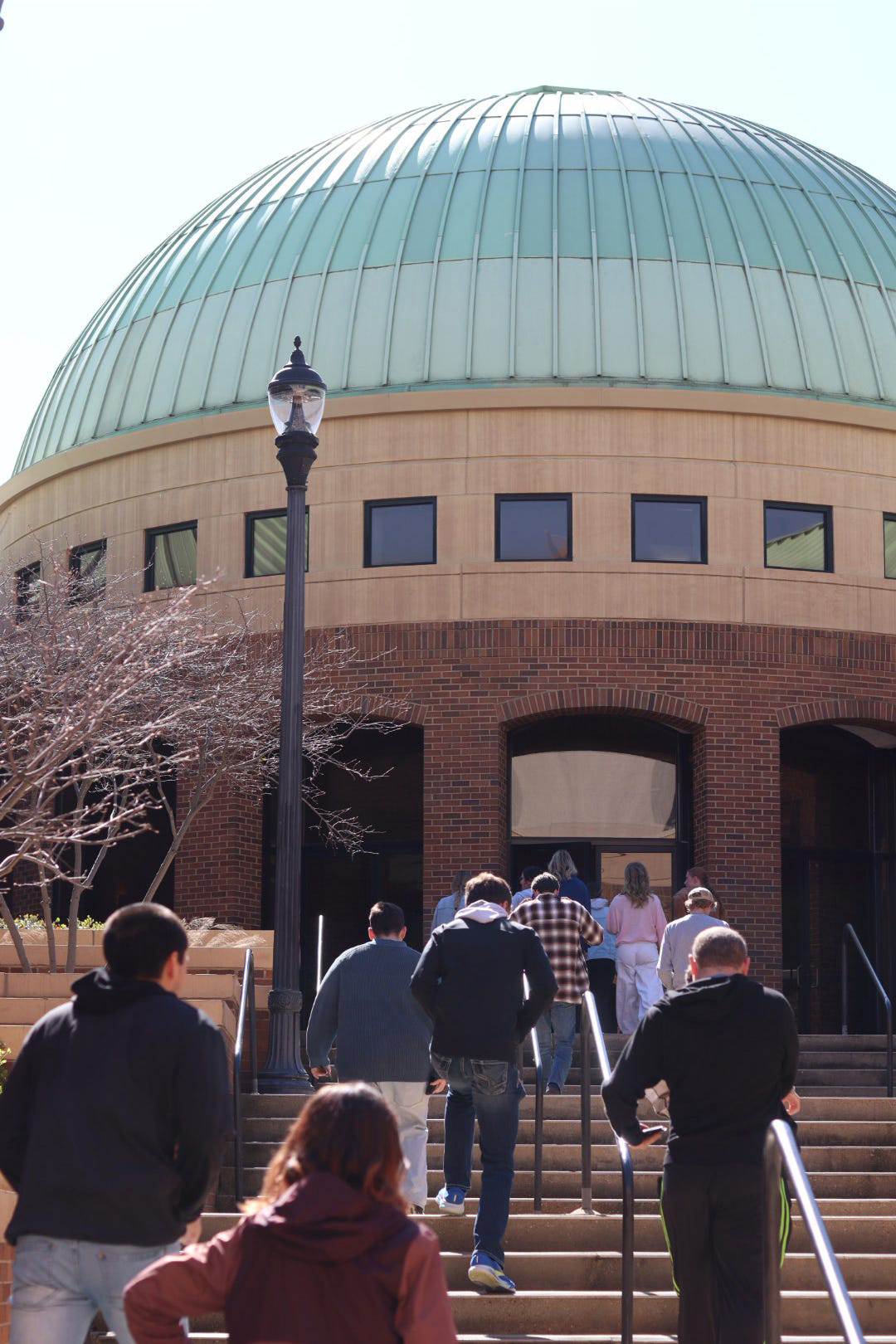
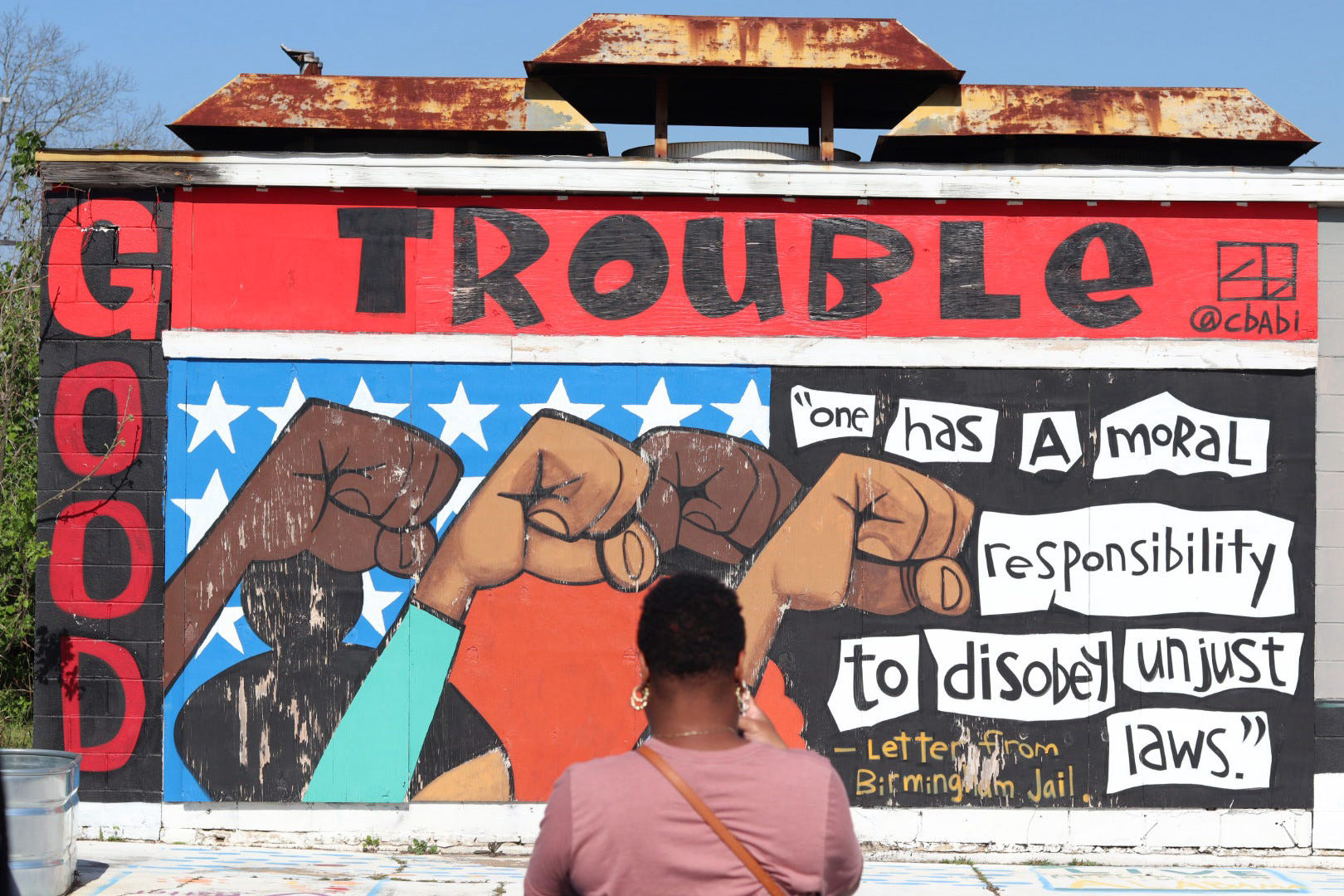
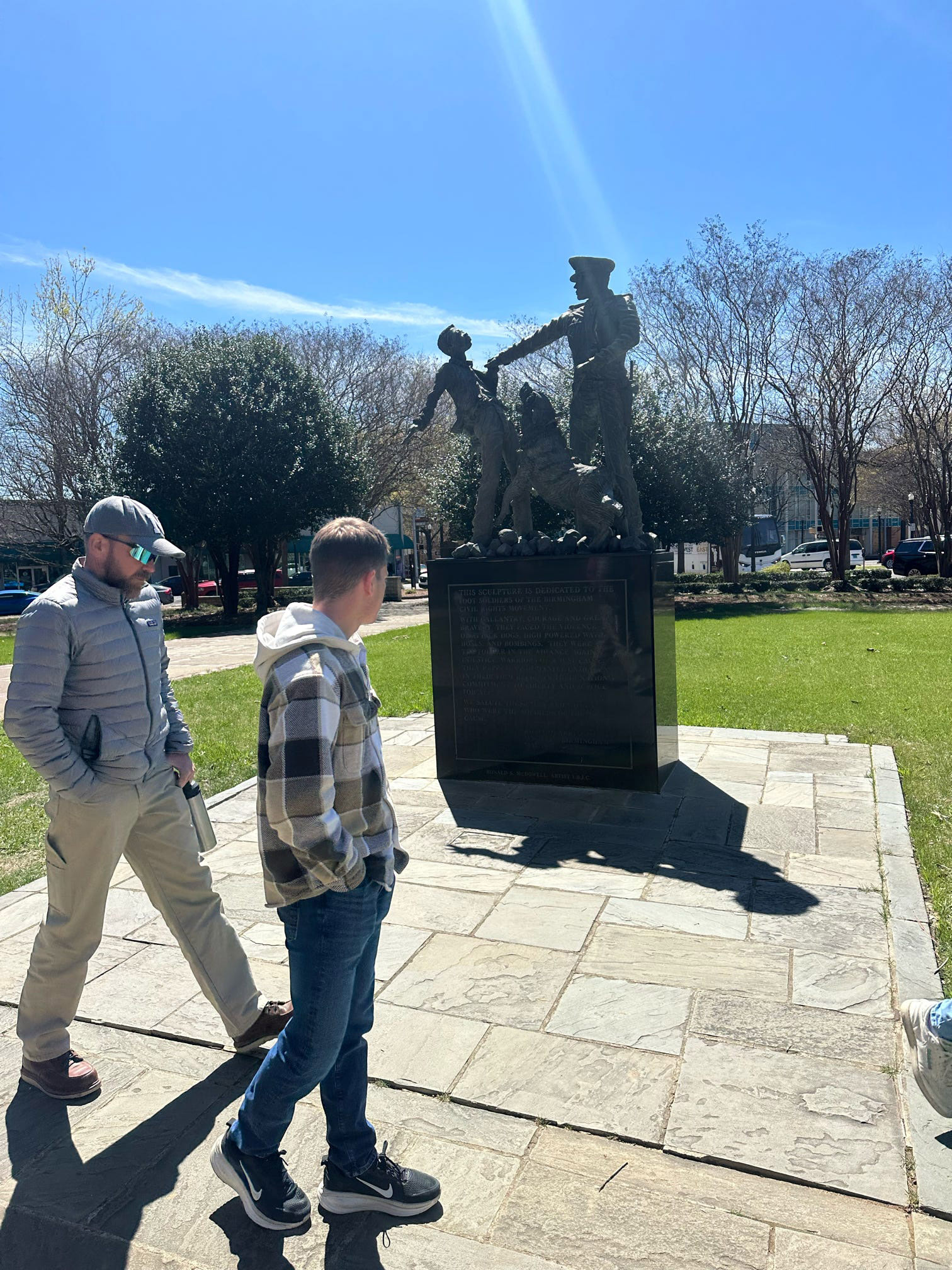
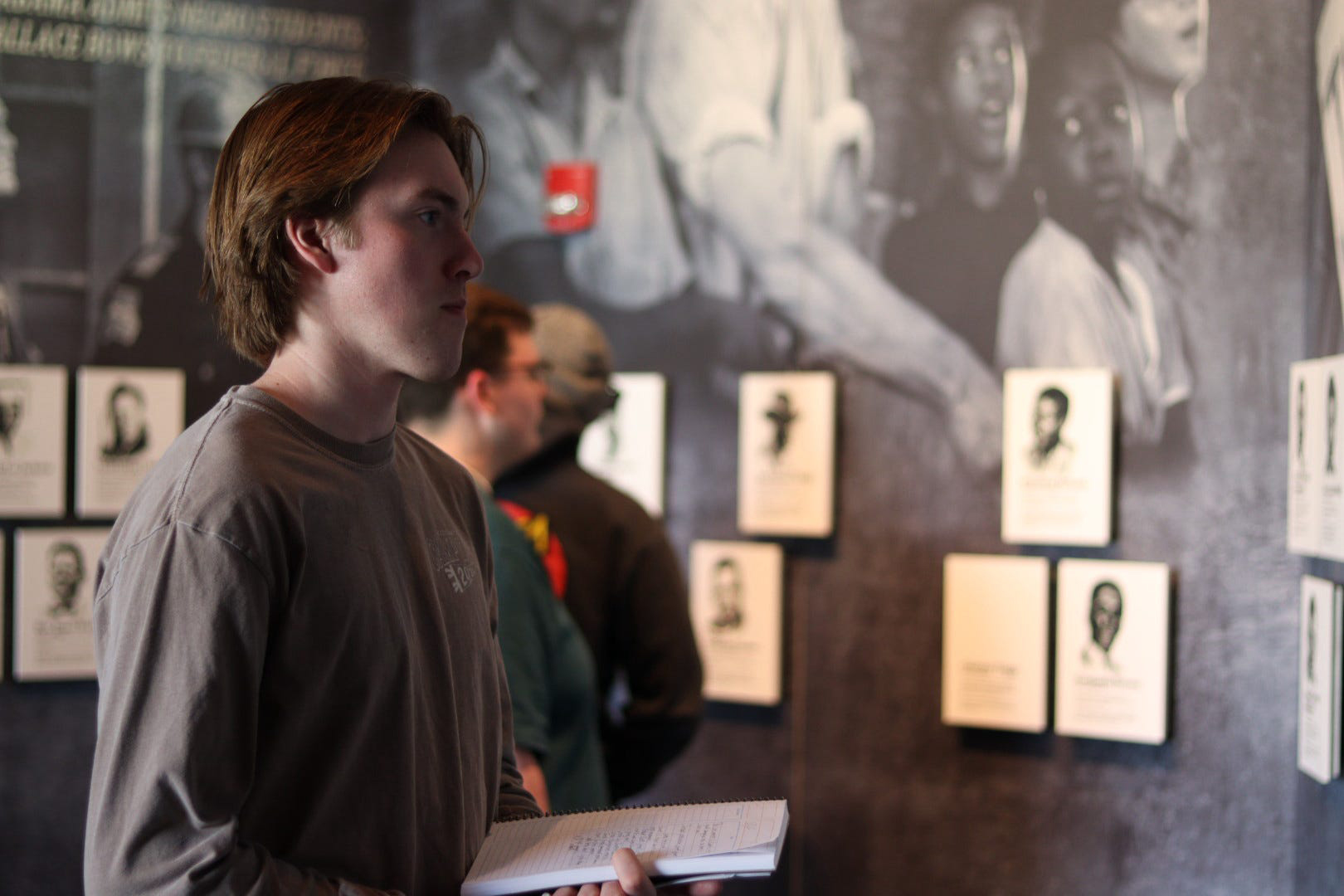
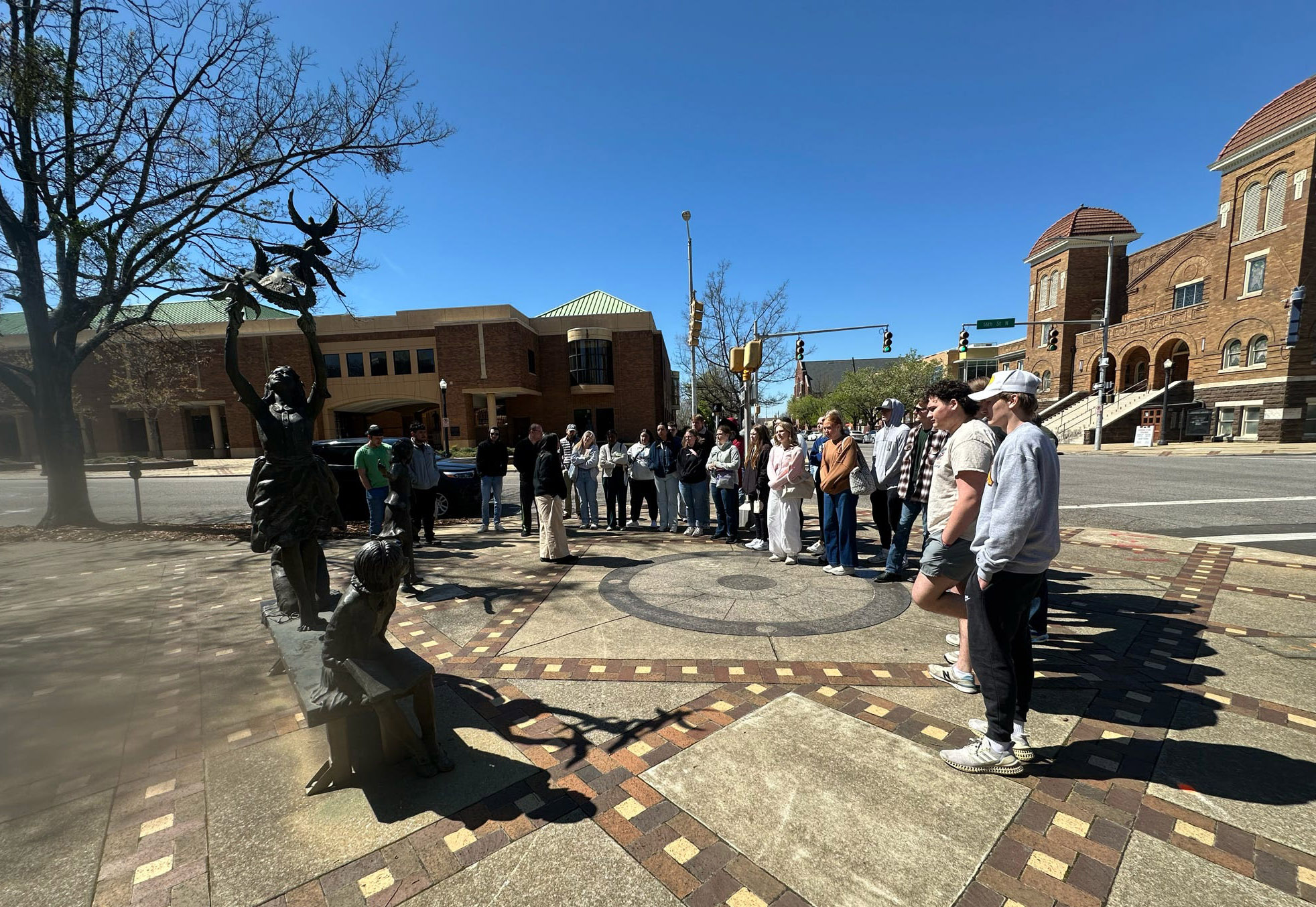
At each location, history was not just observed, it was experienced. Students stood in Kelly Ingram Park, where demonstrations once filled the streets, explored exhibits at the Birmingham Civil Rights Institute and spent time at the Tuskegee History Center, Civil Rights Memorial Center and The Legacy Museum, which traces the history of racial injustice from slavery to mass incarceration.
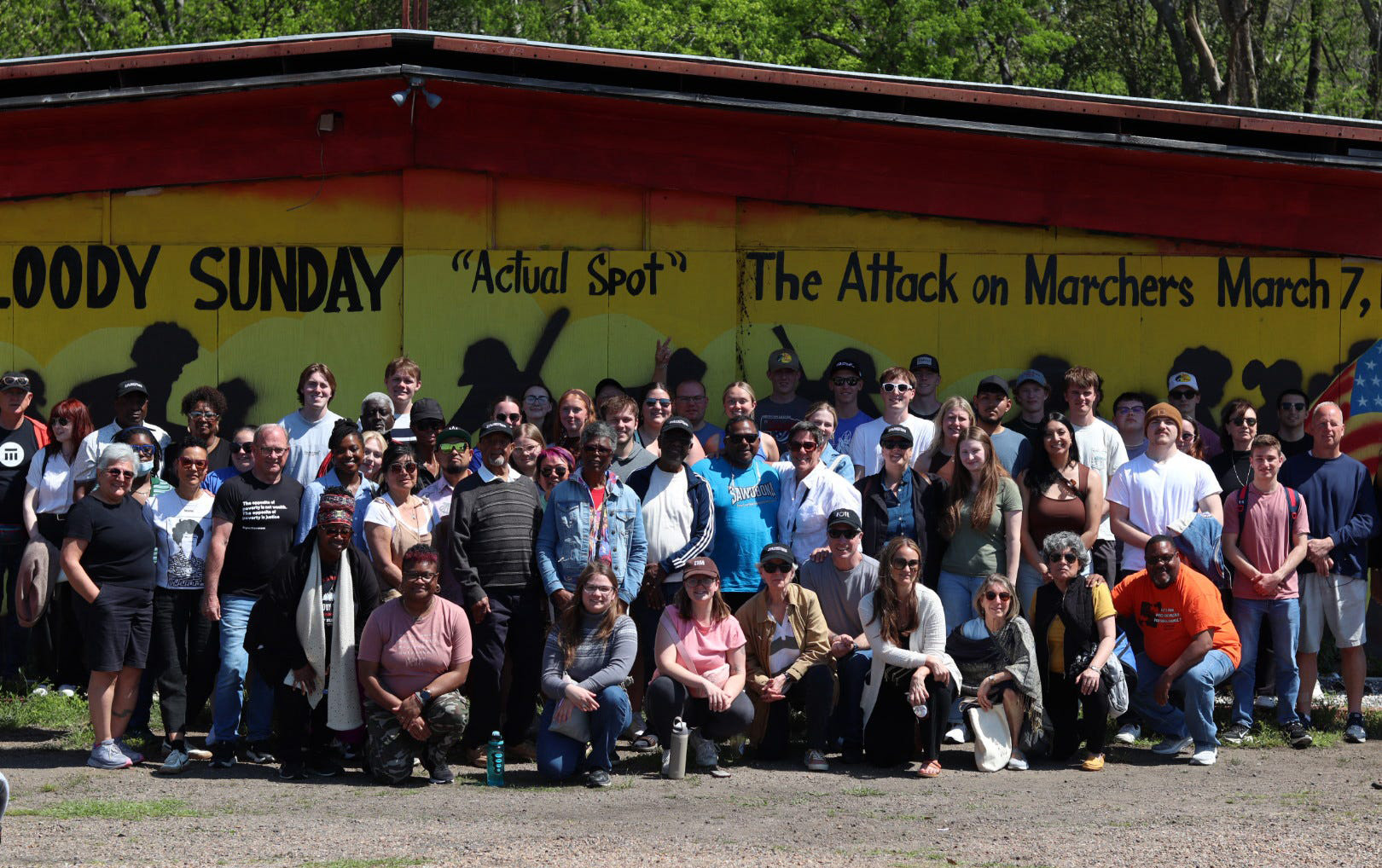
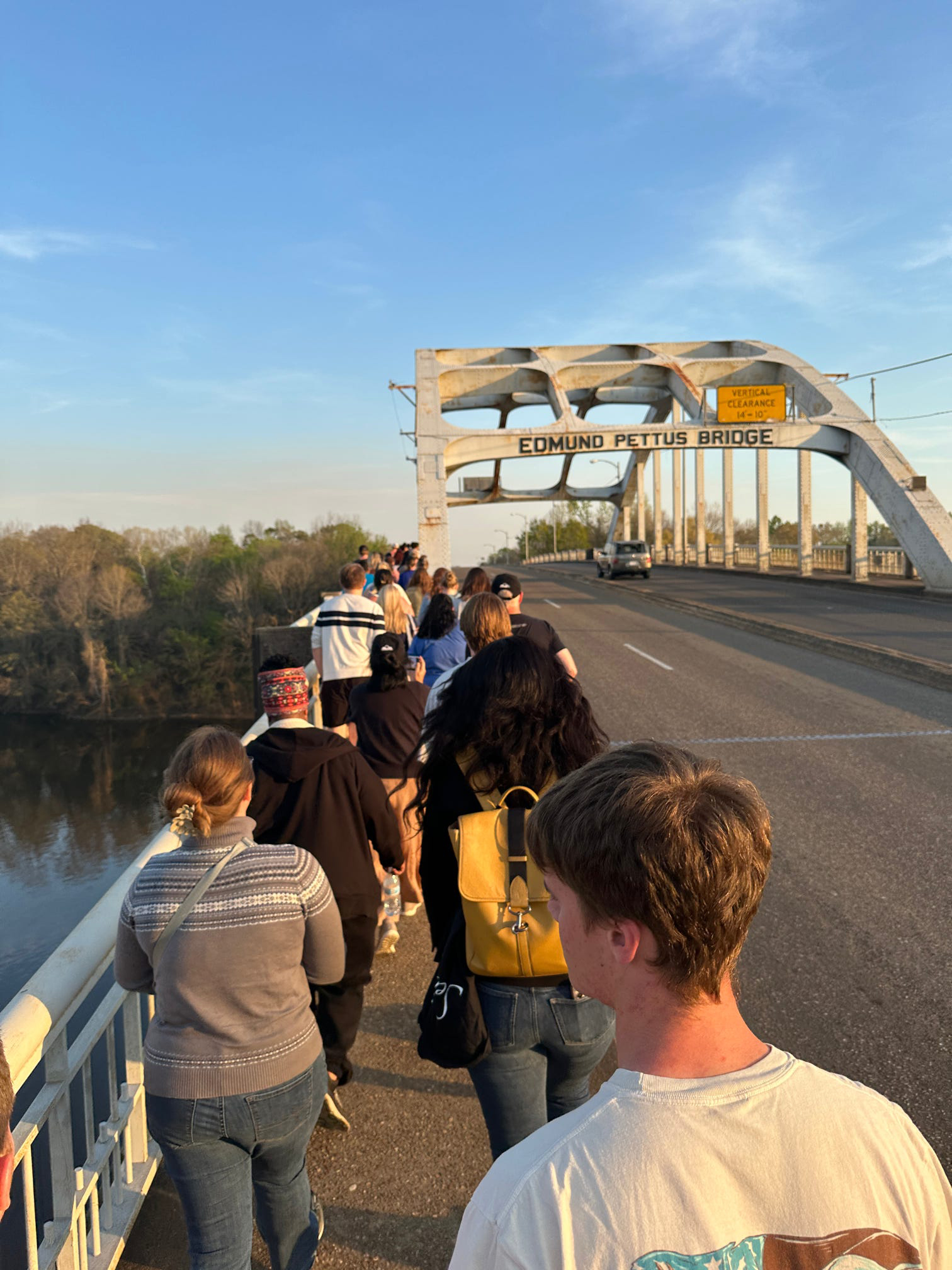
One of the most impactful moments came when they walked across the Edmund Pettus Bridge alongside Charles Mauldin, who was just 17 years old when he joined more than 600 activists on March 7, 1965, setting out from Selma on a 50-mile march to the Alabama State Capitol to demand voting rights for Black Americans. The march – later known as Bloody Sunday – was met with violent resistance, but it became a turning point in the fight for equality.
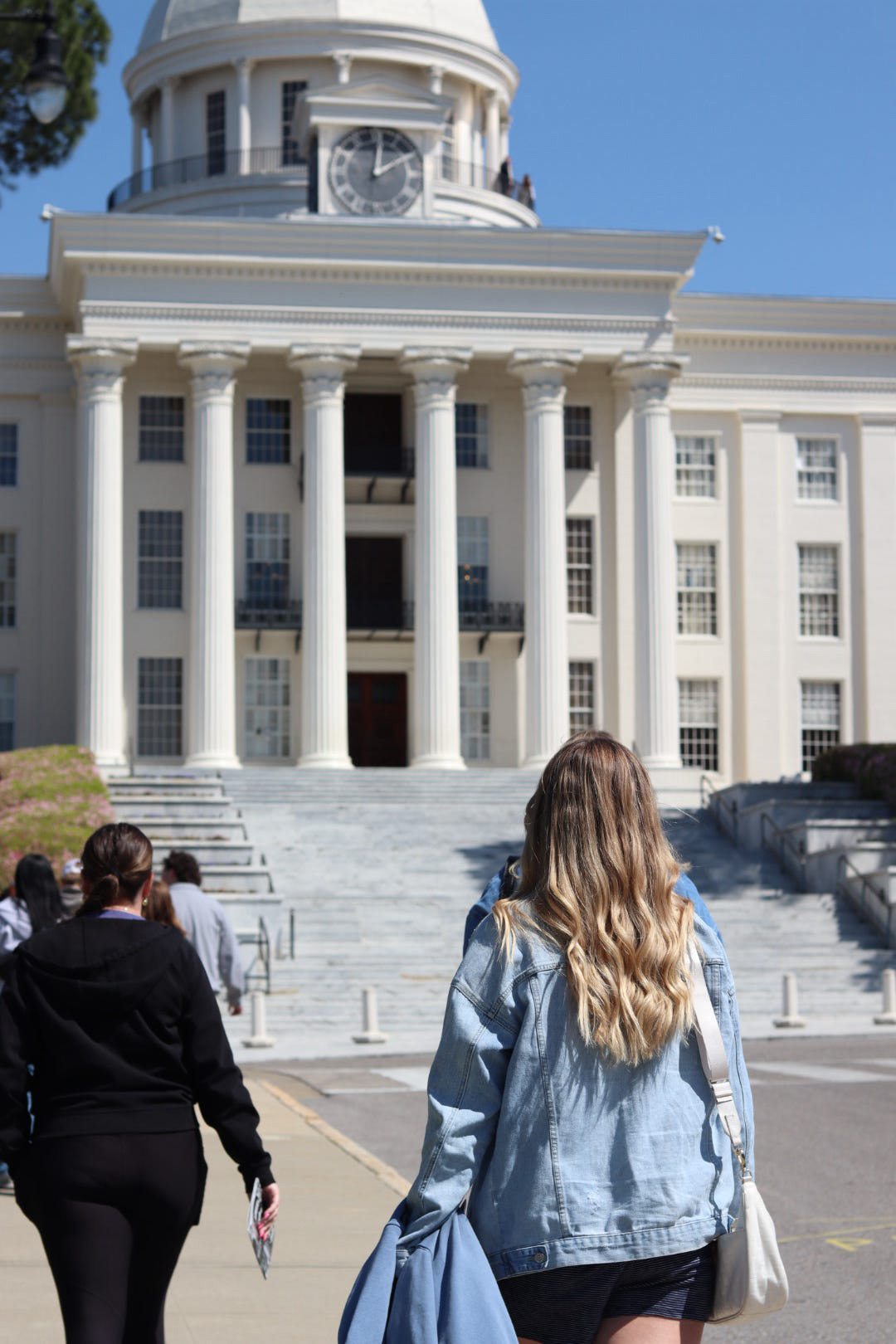
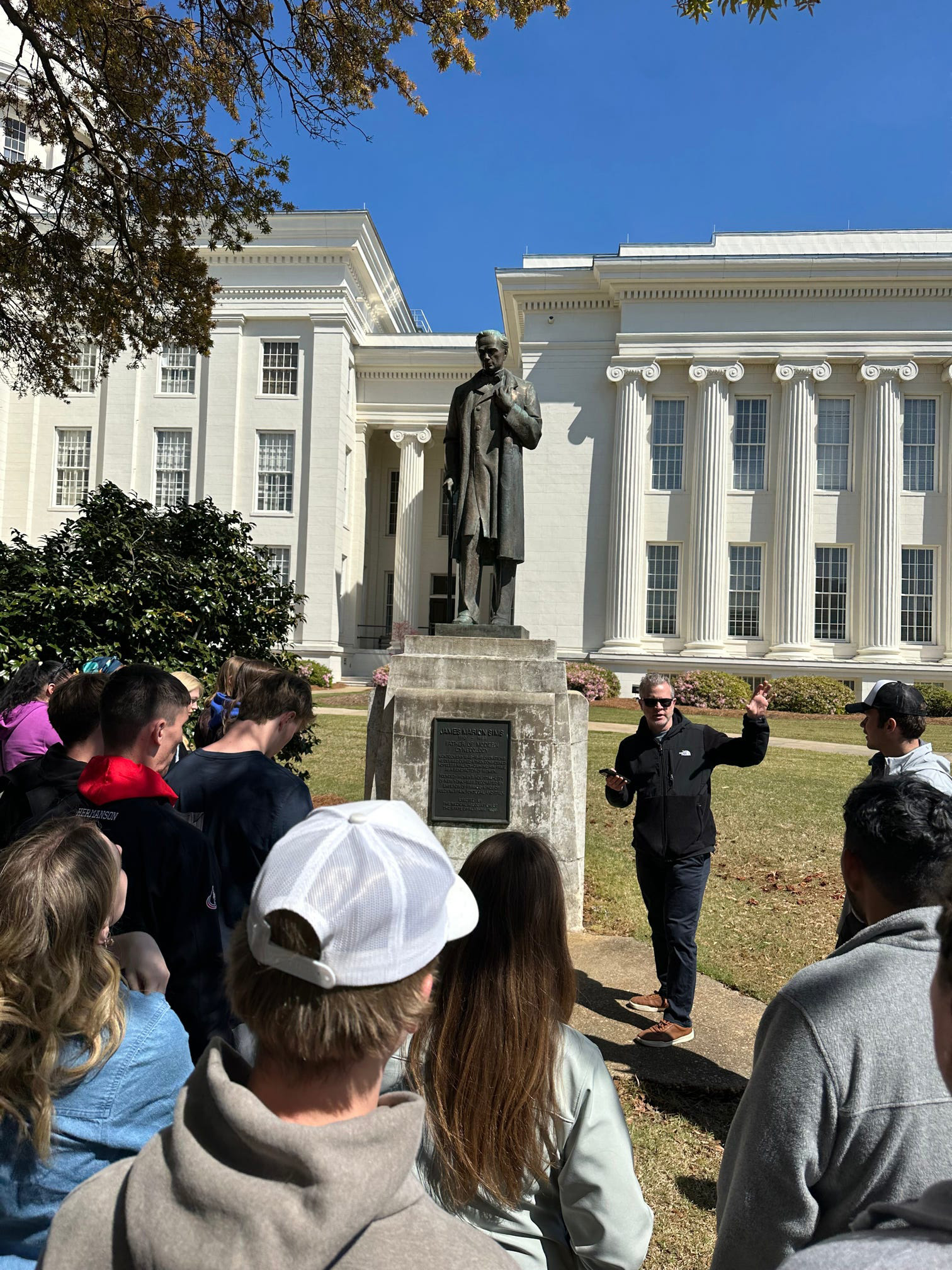
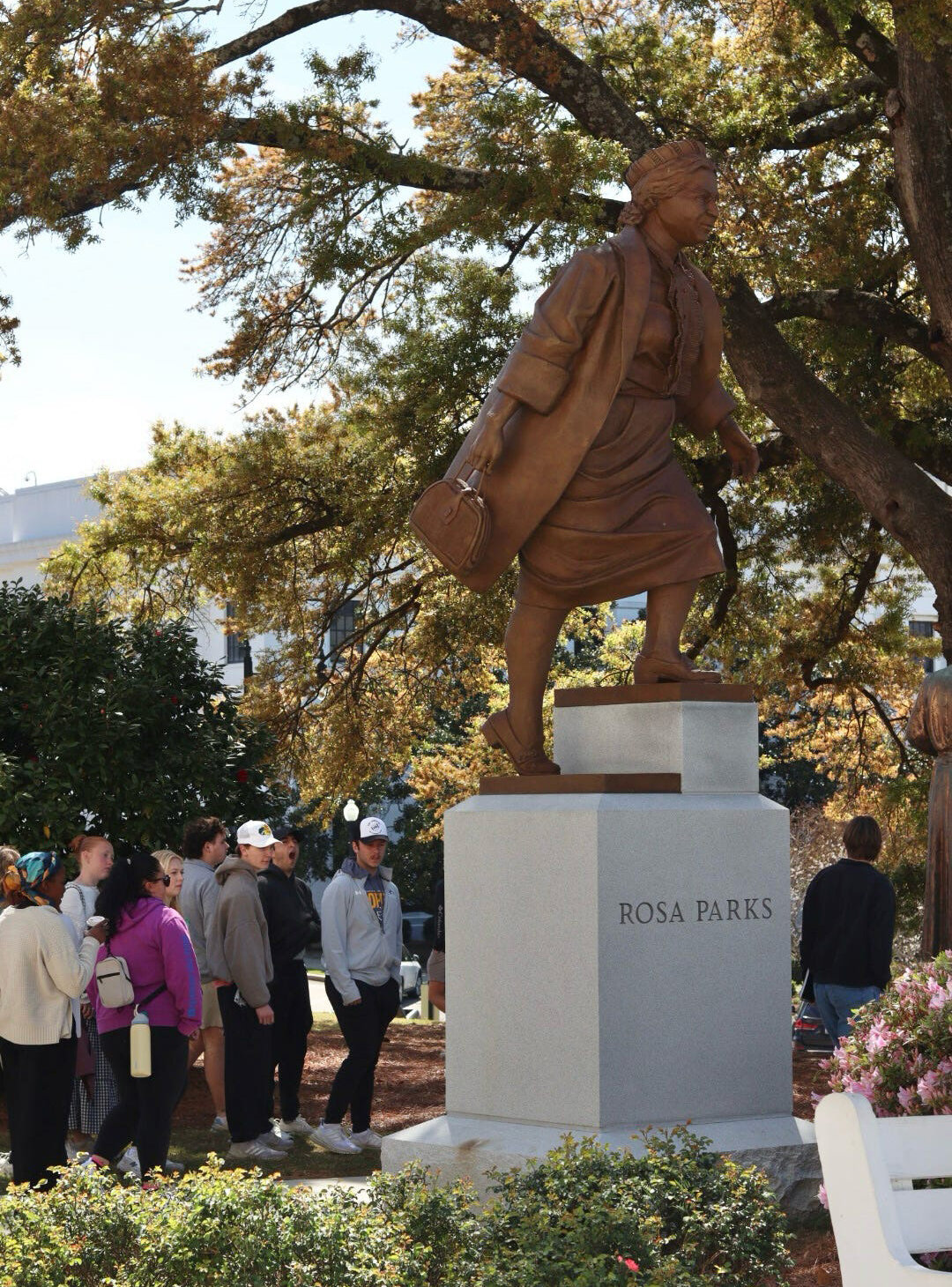
The UNK students also visited the Alabama State Capitol, where those same marchers completed their journey days later, drawing a direct line between the two sites. That link offered a powerful reminder of the sacrifice and determination that helped drive lasting change.
“It was very inspiring and emotional to be there with (Mauldin) and remember those who were willing to give their lives to make the world a more equitable and fairer place,” said Gabby Roche, a junior from Tekamah. “I cannot imagine having the willpower and commitment for a cause that I would be willing to potentially die for.”
The field study course provided opportunities to hear directly from those continuing this work today. Students met with attorneys and advocates, including representatives from the Southern Poverty Law Center and American Civil Liberties Union, gaining insight into how civil rights law continues to evolve.
“One primary goal of this trip is to help students understand that the struggle for civil rights is ongoing,” Rowling said. “Several of the speakers we met are actively involved in this struggle today, and many of these issues remain unresolved.”
Shaping future paths
Roche, a KLOP member and aspiring attorney, described the trip as both informative and eye-opening.
“It is one thing to read about history, but going to experience the places where these things happened has a deeper impact,” she said, noting that the trip also highlighted how many of these issues persist today.
“These are vulnerable communities that need the most help legally because the system is set up against them,” Roche added. “What I want to carry through in my life is to be critical of the world around me, to make it a better place and to be a lifelong learner for myself and others.”
Abby Reyes, a freshman from Red Cloud, has long been interested in the Civil Rights Movement, which she calls “an untold story, almost a secret our country wishes to hide.”
“Visiting some of these cities felt like a step back in time,” she said. “American history is sacred down there for many individuals, some push the lost cause while others spend their entire lives working to bring the truth to light. My eyes were opened to viscous violence and hateful atrocities, but also community and love. We met with many accredited and inspiring individuals who urged the importance of earning an education and utilizing it to assist others in whatever way we can.”
Also a KLOP member and future attorney, Reyes was particularly moved by a “warm and inviting” dinner at a Montgomery soul food restaurant and their conversations with legal professionals working on civil rights issues right now.
“I believe becoming well-traveled enhances life experiences tenfold and allows us to develop more informed perspectives,” she said. “Many schools do not offer opportunities this impactful, but UNK’s Political Science Department consistently extends trips of this nature.”
Roche expressed a similar view, pointing to the connections made throughout the trip as one of its most valuable aspects.
“Being able to speak with these professionals was an amazing opportunity because we could ask questions about their path to law and their perspectives on some of the issues in society today,” she said. “I learned about their careers and potential paths I can take in the future, and it reinforced my desire to go into law and help others.”
Learning that lasts
In addition to the educational aspects, the trip fostered lasting bonds among students.
“When they are together on the bus, having a meal or hanging out in their hotel rooms, they are often engaged in meaningful conversations about the impactful things we are doing and seeing,” Rowling said. “As a result, they are building and strengthening their relationships throughout the trip, which will then carry over into the classroom, on our campus and beyond.”
The civil rights field study is one of several experiential learning opportunities offered through UNK’s political science program. In alternating years, Rowling leads a two-week international human rights course in Europe, where students study the Holocaust and visit sites in countries such as Poland, Germany and the Netherlands.
Together, the courses are designed to give students a deeper understanding of injustice, resilience and the role of law in shaping societies.
“These types of experiences can be life-changing,” Rowling said. “Whether you are an attorney in Gothenburg, a city manager in Broken Bow or the director of a nonprofit in Norfolk, lessons can and should be drawn from these moments in our history to inform how we can be better people and how we can better serve our communities.”